How many of us instantly think of that colorful team of heroes doing battle against giant evil space aliens whenever we hear those words! I would venture that almost every one of us do, since we all collect toys as a hobby. Whether you collect them or not, whether you watched them or not, whether you enjoy them or not, the Power Rangers have certainly etched out a permanent spot in fandom lore as one of the biggest toy franchises of the last thirty years. There is absolutely no doubt of the huge impact this team of heroes has had on pop culture.
The very first episode of the Mighty Morphin Power Rangers aired on August 28, 1993, while the toys were actually released about a month prior. Since then, this franchise has just grown and grown over time, and continues to this day.
The Power Ranger toys that are featured on our Toy Collectors Guide site cover the period between their initial launch in 1993 until Disney sold them back to Saban Entertainment in 2010. These are generally considered the golden years of the franchise and canvases the largest portion of the series.
The pages for all the Power Ranger releases covered on the site are separated by the year and theme of each particular season. Each page contains a full breakdown of all items released during that season, including photos, secondary market values and more. Like the rest of the site, these values are taken from the most current data available from all the major secondary market sites across the internet. This data is based on actual sales of the individual items and not necessarily the listed prices.
I hope you enjoy our new Power Rangers section and have fun exploring the site.
Now……………………Let’s Power Up and GO GO POWER RANGERS!!
Click These Links to See The Individual Power Ranger Pages
Hasbro held their now annual two-day Pulse-Con on September 30 and October 1 of this year, and it was packed full of new product announcements. For those not familiar with Pulse-Con, it is a two day virtual event that was started by Hasbro to build excitement for all of their upcoming releases. The event covers most Hasbro brands, and here is a summary of those announcements broken down by each brand.
Photo courtesy of Hasbro
Day One:
Transformers
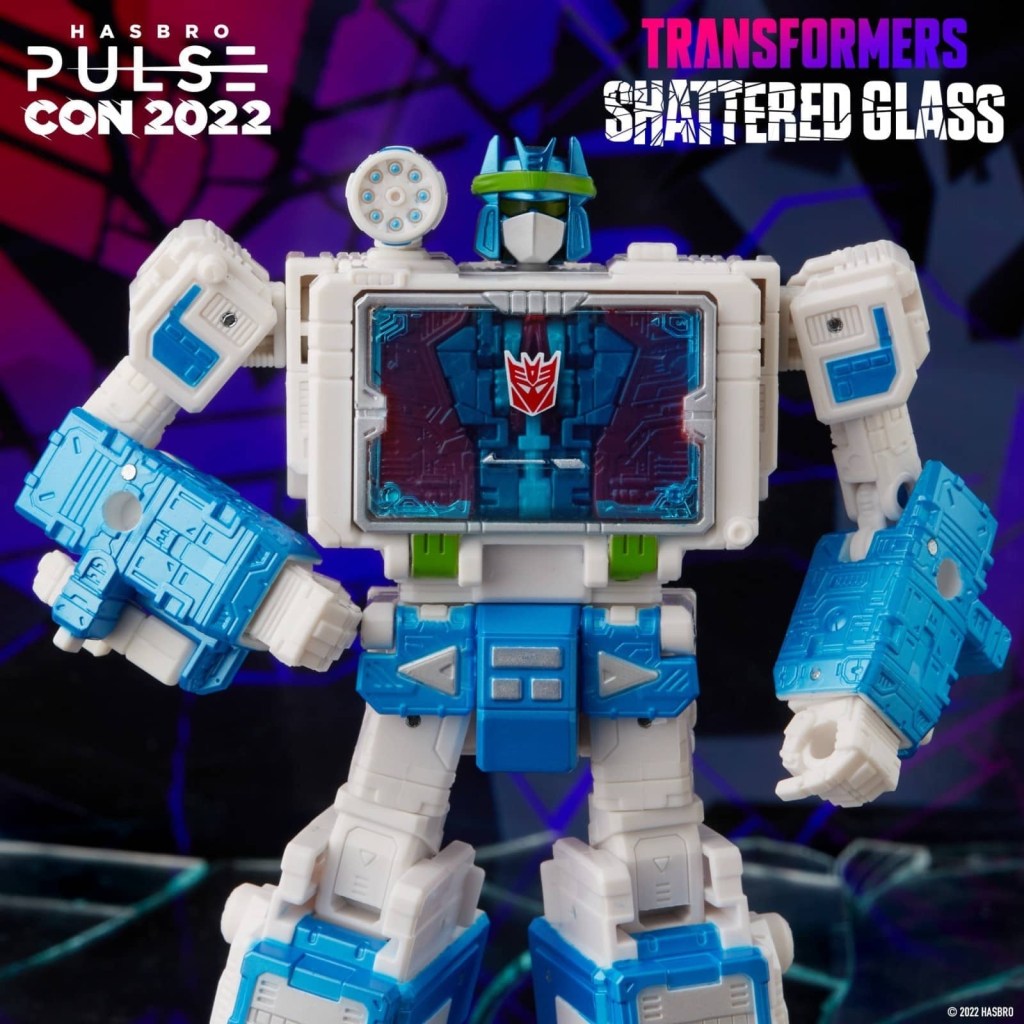
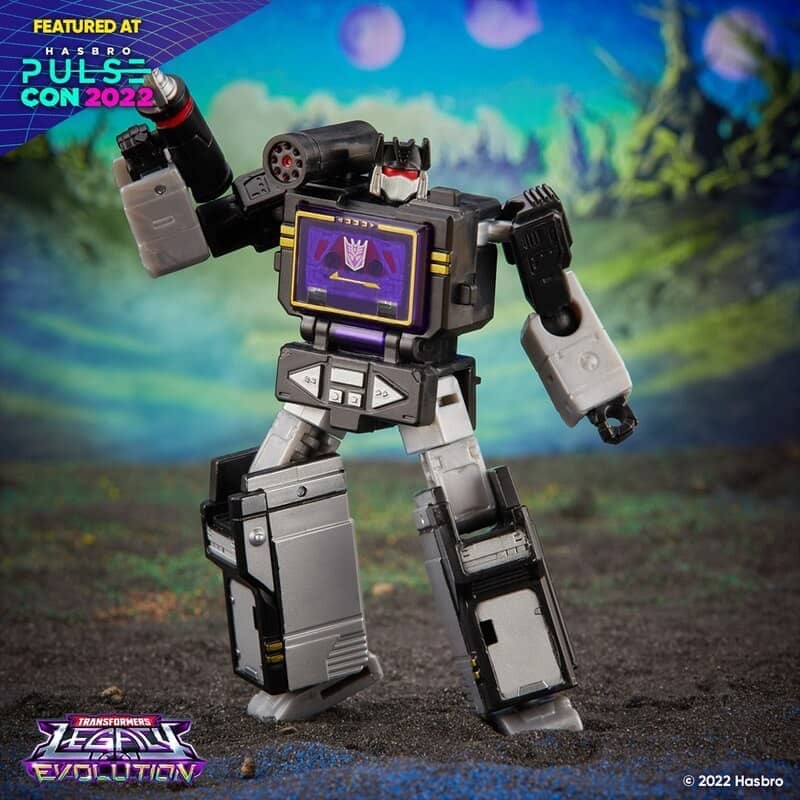
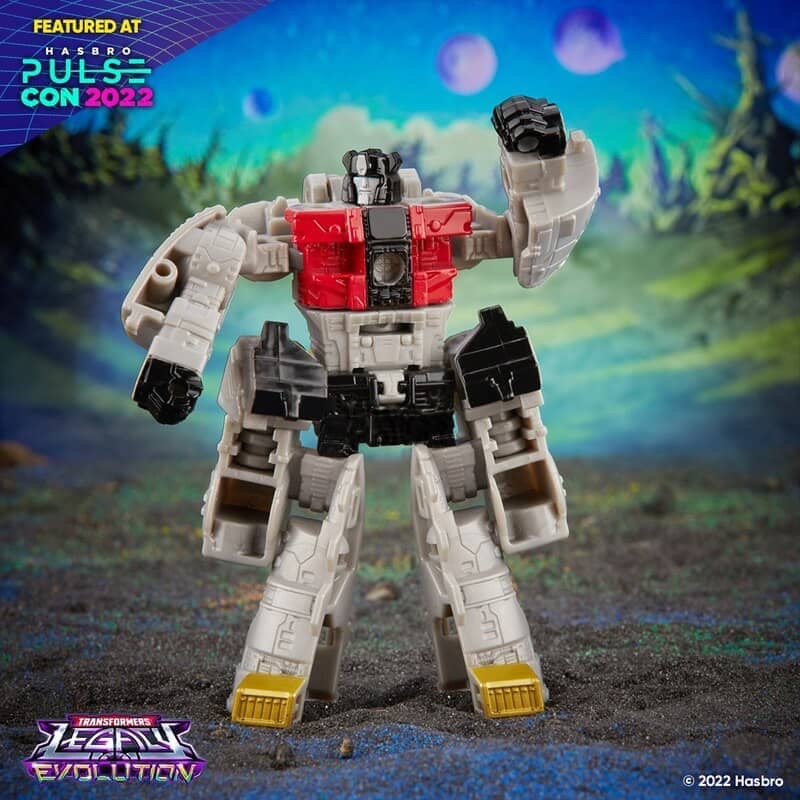
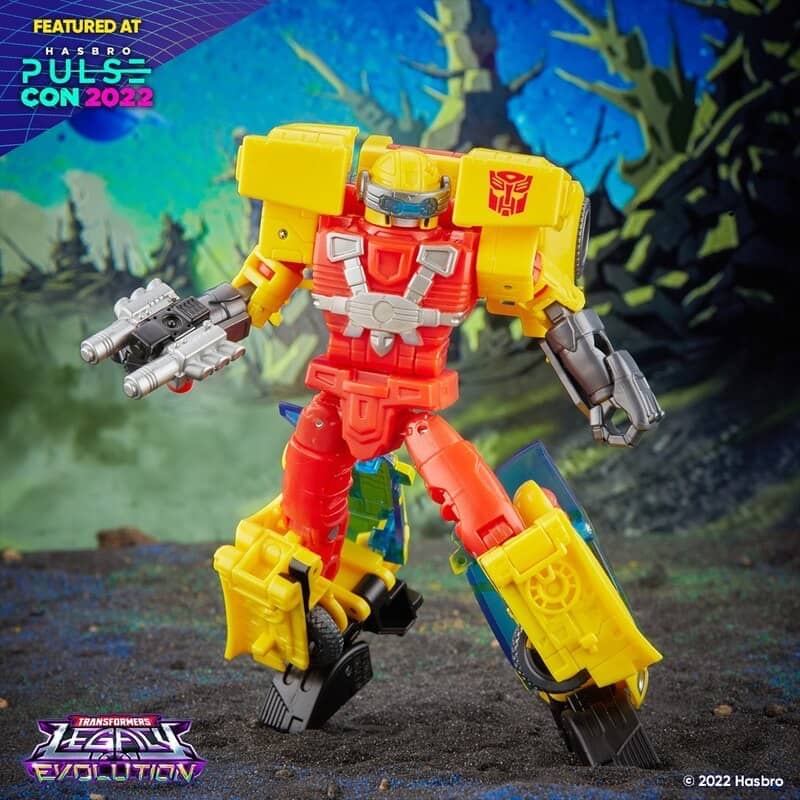
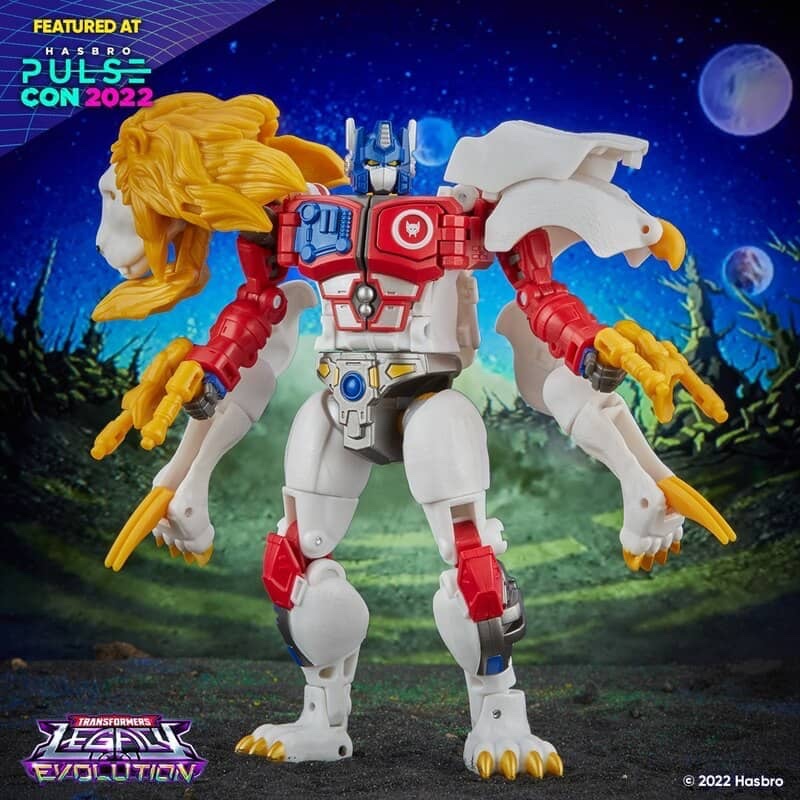
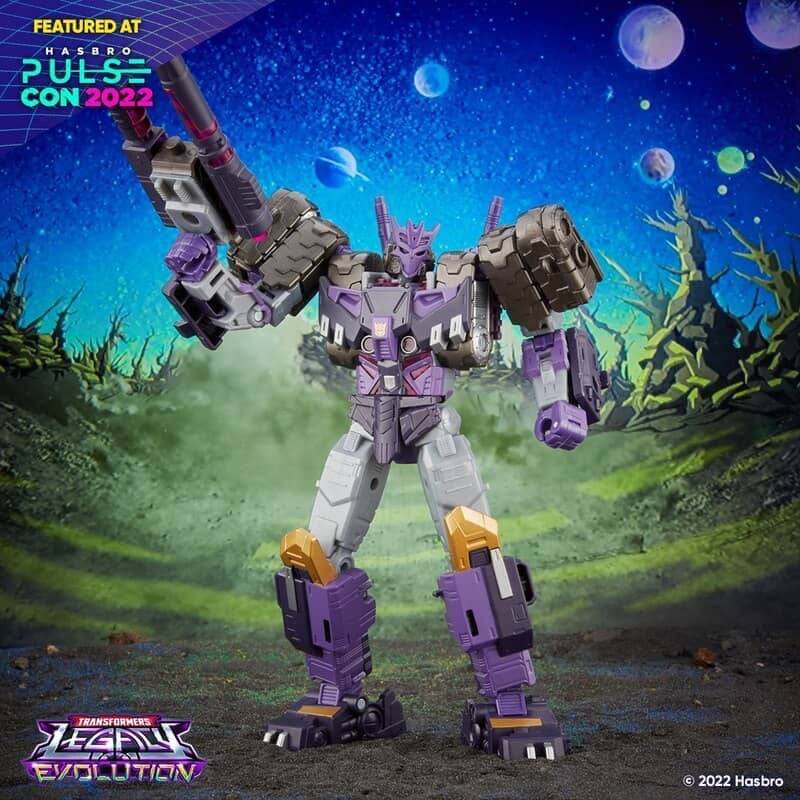
The Transformers were first up as the Hasbro creative team revealed several new Transformers Legacy Evolution figures, such as SoundBlaster with Buzzsaw, Sludge, Deluxe Breakdown, Core Class Slug, Breakdown, Needlenose, Voyager Class Leo Prime, Tarn, and Scraphook. Also added were Target Masters Sunbeam and Zigzag. The Transformers crew also announced the Pulse Con exclusive Generations Shattered Glass Collection Soundwave, which is from the IDW comic version.
ALL TRANSFORMERS PHOTOS ARE COURTESY OF HASBRO
Photo courtesy of Hasbro
Power Rangers
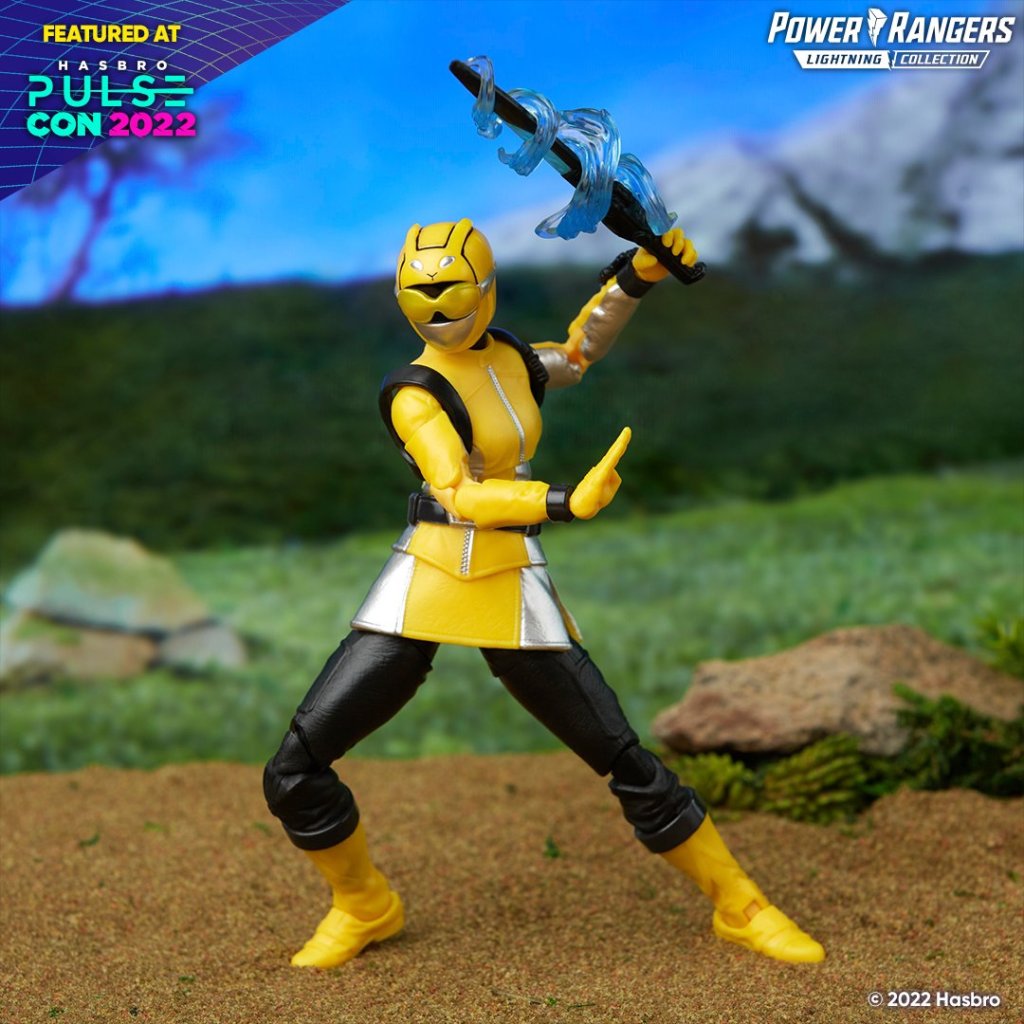
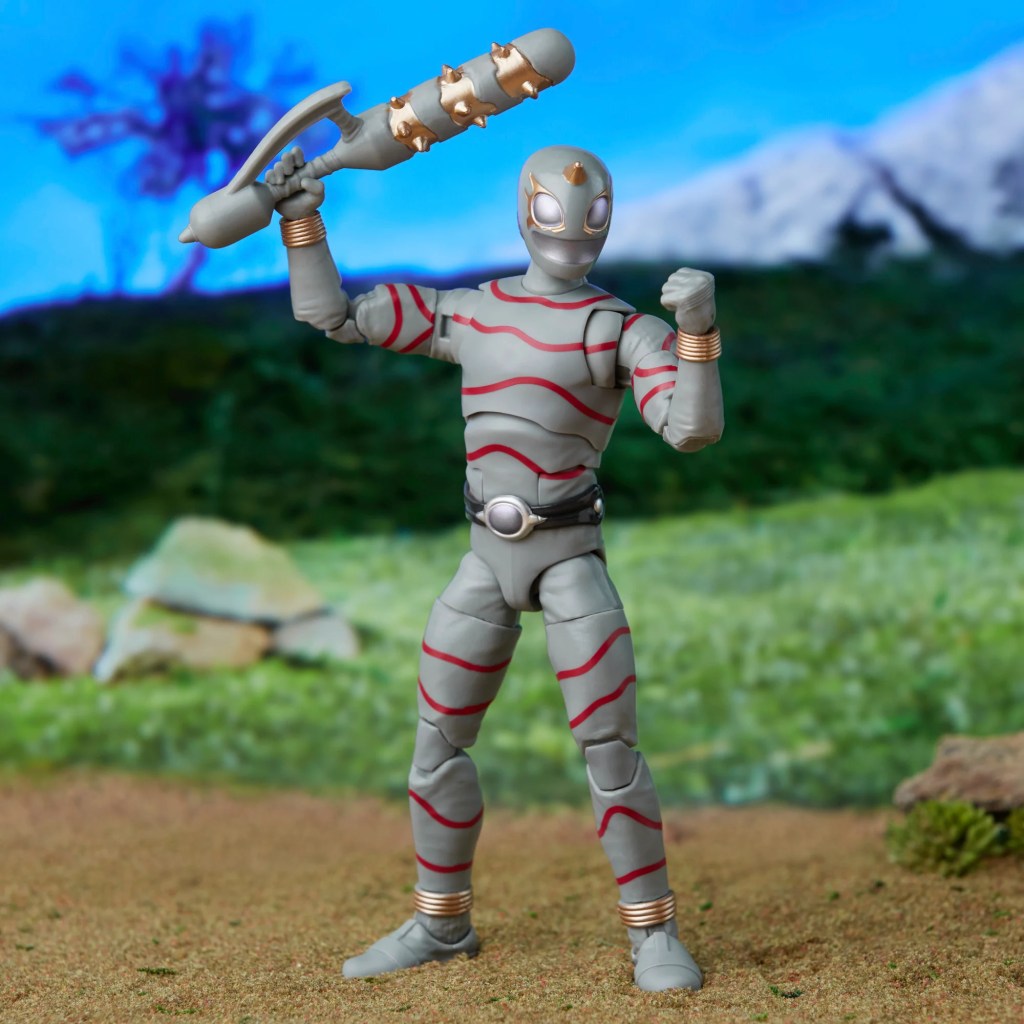
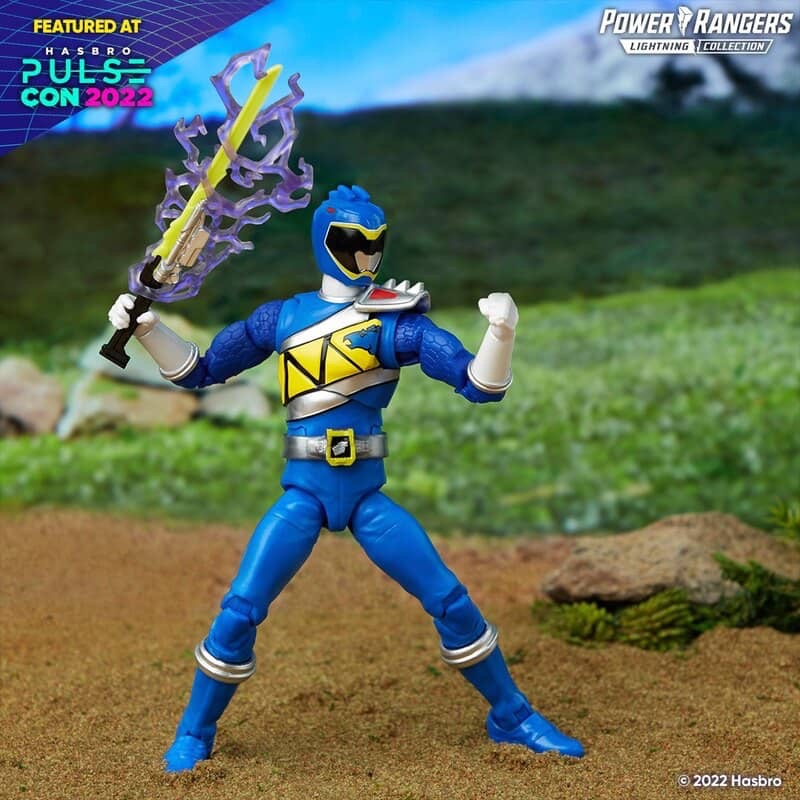
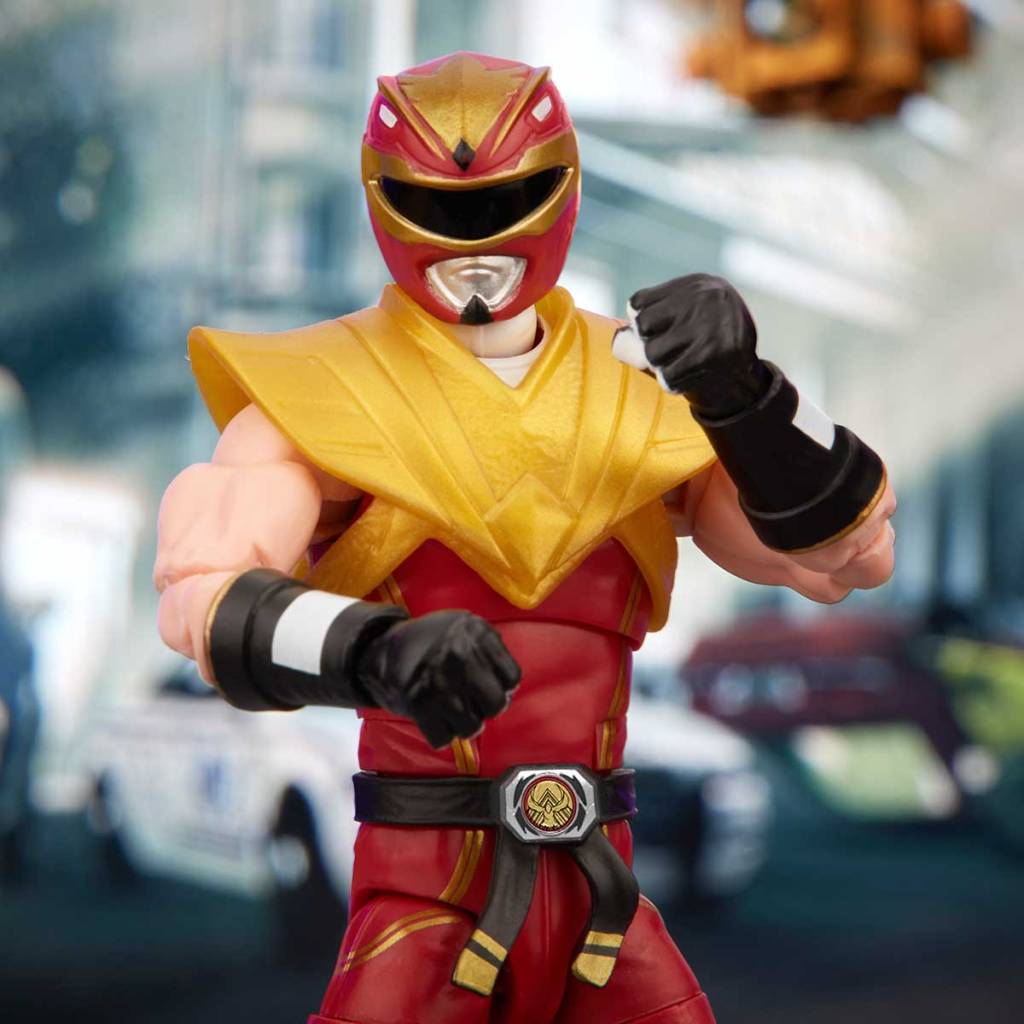
Next up were The Power Rangers team and their new release presentation. Announced were a brand new wave of Power Rangers Lightning Collection figures that included: Beast Morpher Yellow Ranger, Dino Fury Green Ranger, Dino Charge Blue Ranger, and Wild Force Putrid. Also revealed were Morphed Cammy Stinging Crane Ranger and Morphed Ken Soaring Falcon Ranger from the Power Rangers X Street Fighter Lightning Collection. Additionally, the In Space Astro Megazord was announced as the next Power Rangers Lightning Collection Zord Ascension Project.
ALL POWER RANGERS PHOTOS ARE COURTESY OF HASBRO
Photo courtesy of Hasbro
Marvel
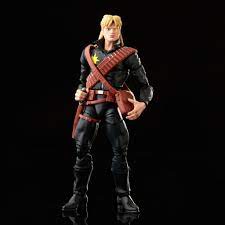
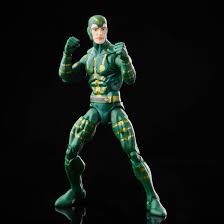
Not to be outdone, the Marvel team announced bunches of new additions for the Retro Marvel Legends Series, including Wolverine, Iron Man, Longshot, Avalanche, Multiple Man, Spiral, and Dark Phoenix. An incredible looking Legends Multipack with Daredevil, Elektra and Bullseye was also revealed. In addition, the latest Marvel Legends X-Men 90’s animated series was unveiled as Cyclops in the vintage VHS themed package
ALL MARVEL PHOTOS ARE COURTESY OF HASBRO
Day Two:
Photo courtesy of Hasbro
GI Joe
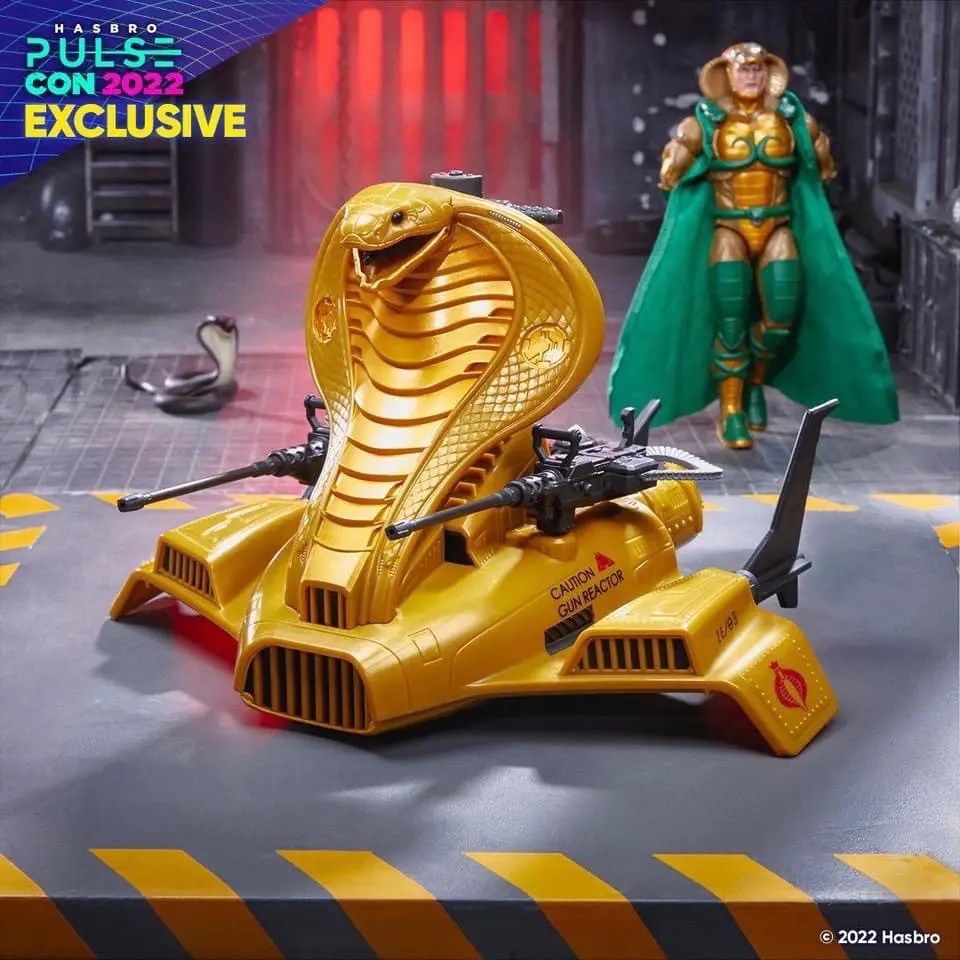
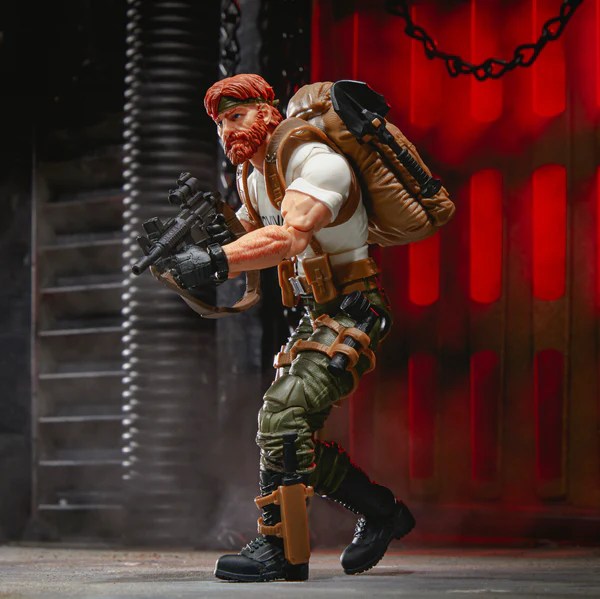
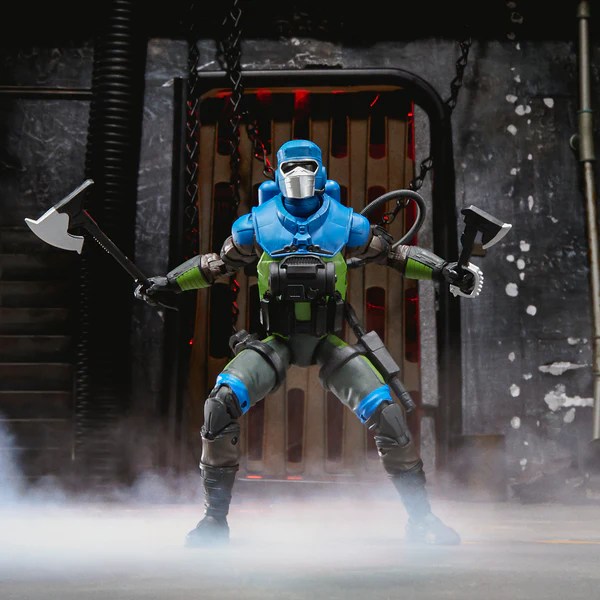
Day two kicked off with big GI Joe reveals, including five new Classified Series figures, including Cover Girl, Crimson B.A.T, Outback, Falcon and Mad Marauders Barbecue. Also announced was the new Classified Series Serpentor and Air Chariot that was announced at this year’s SDCC is now available for pre-order exclusively as part of Pulse Con 2022.
ALL G.I JOE PHOTOS ARE COURTESY OF HASBRO
Indiana Jones
Photo courtesy of Hasbro
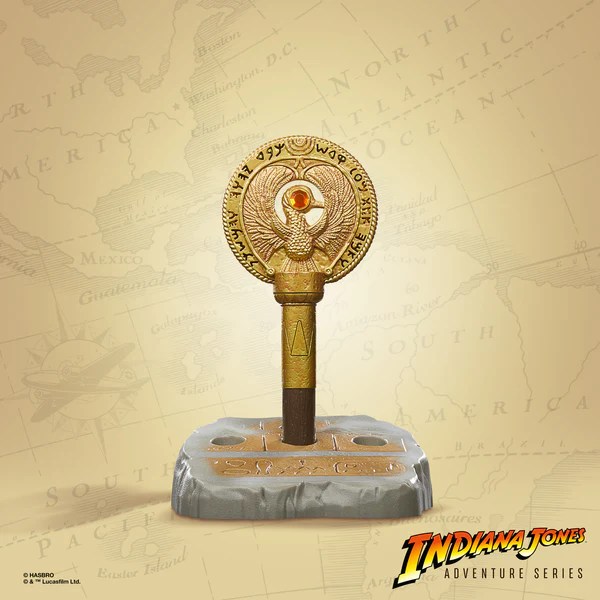
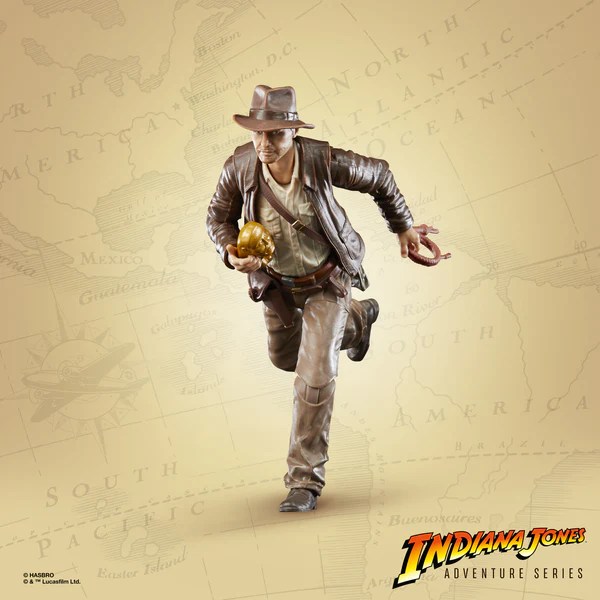
The Hasbro Indiana Jones team showed off their initial wave of products which marks the first return to the iconic franchise since 2008’s Kingdom of the Crystal Skull. The premium 6 inch Adventure Series was announced, which will kick off with Major Arnold Toht and Indiana Jones himself. Later Adventure Series releases will include Marion Ravenwood, Sallah, and Ceremonial Rene Belloq. The Indiana Jones Retro Collection will begin with a vintage packaging tribute of Indiana jones, with more figures to come. Finally, an Indiana Jones Adventure Staff of Ra Headpiece was also announced, which will feature the iconic Indy prop on a 1:1 scale with a beautifully sculpted base to display it on.
ALL INDIANA JONES PHOTOS ARE COURTESY OF HASBRO
Star Wars
Photo courtesy of Hasbro
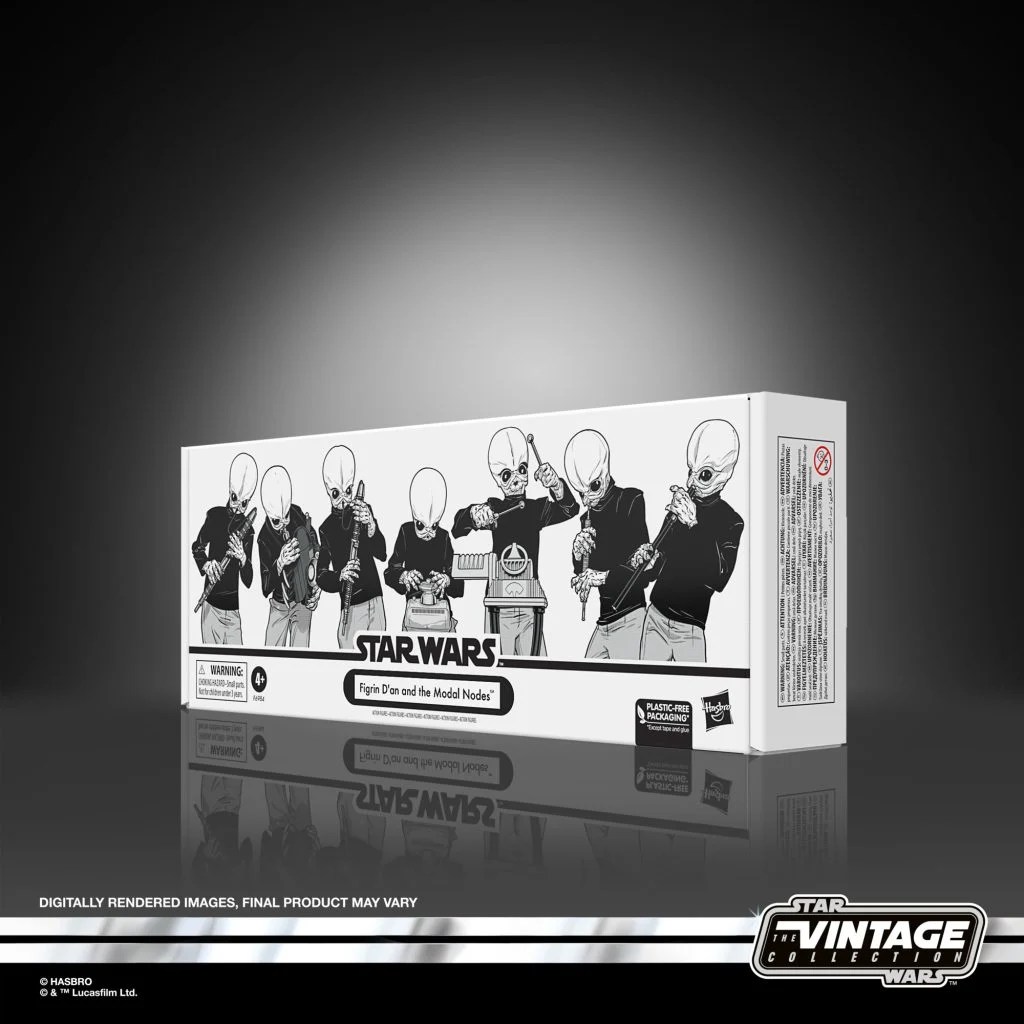
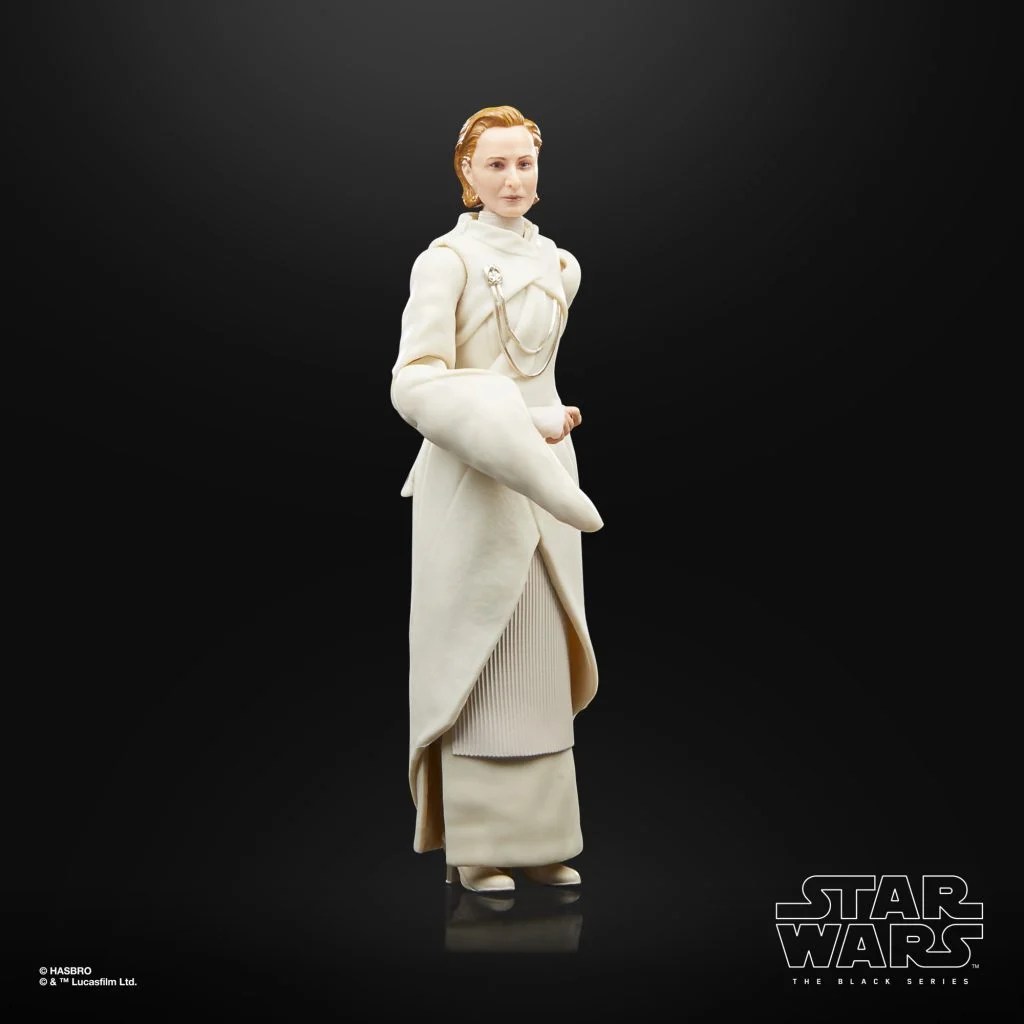
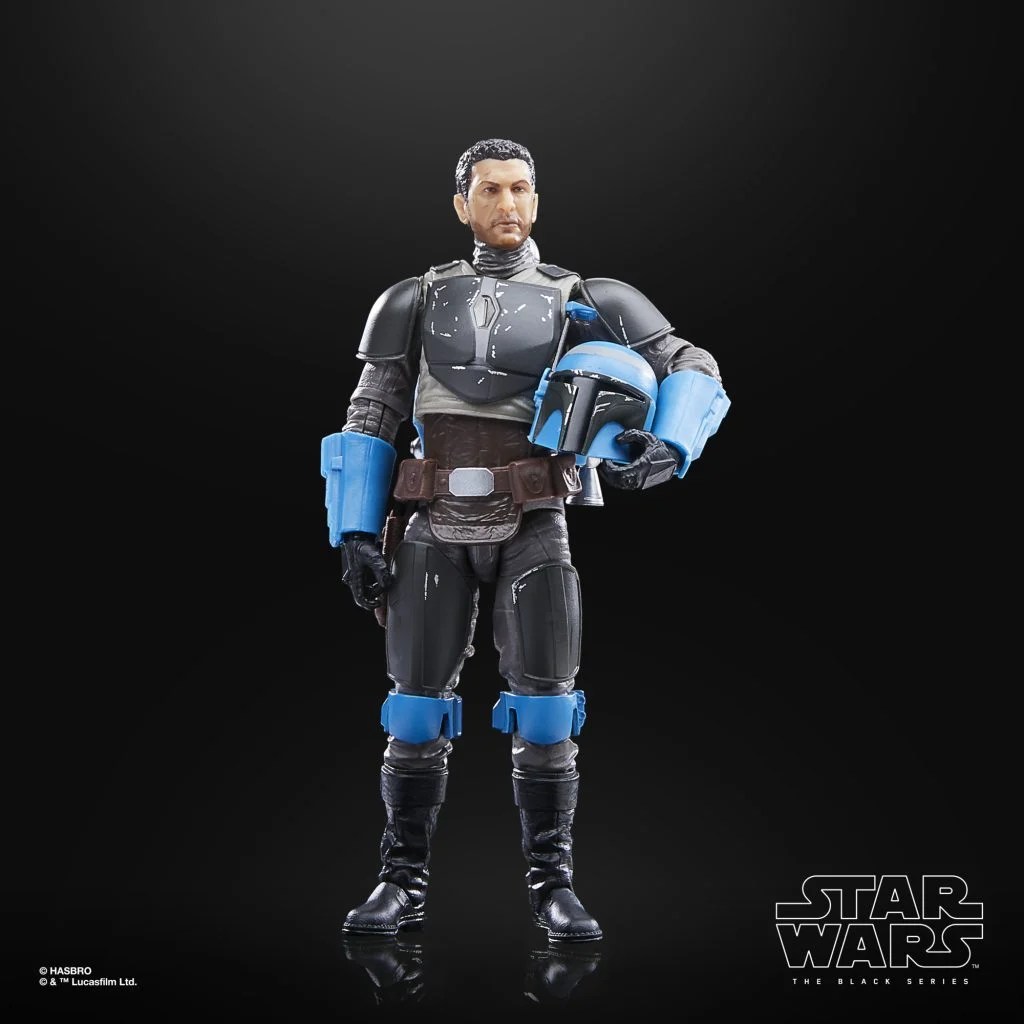
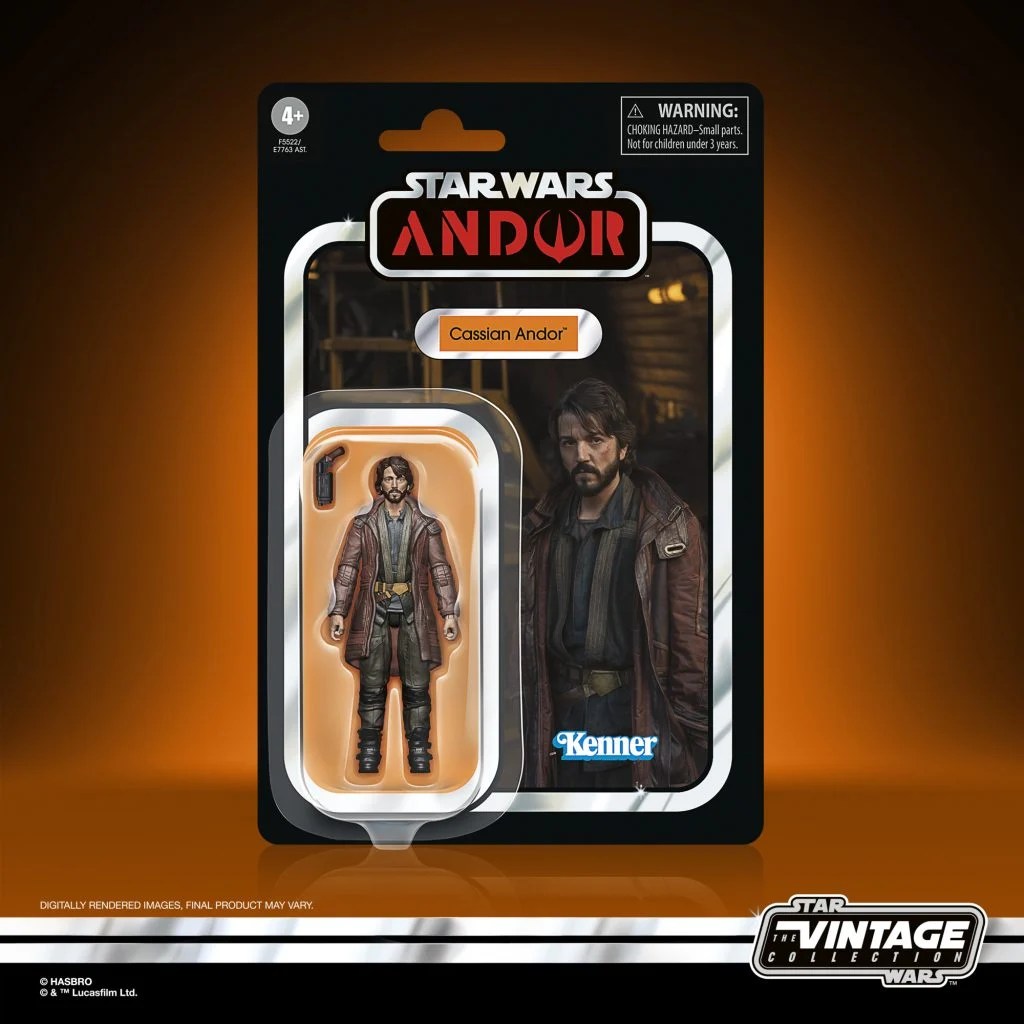
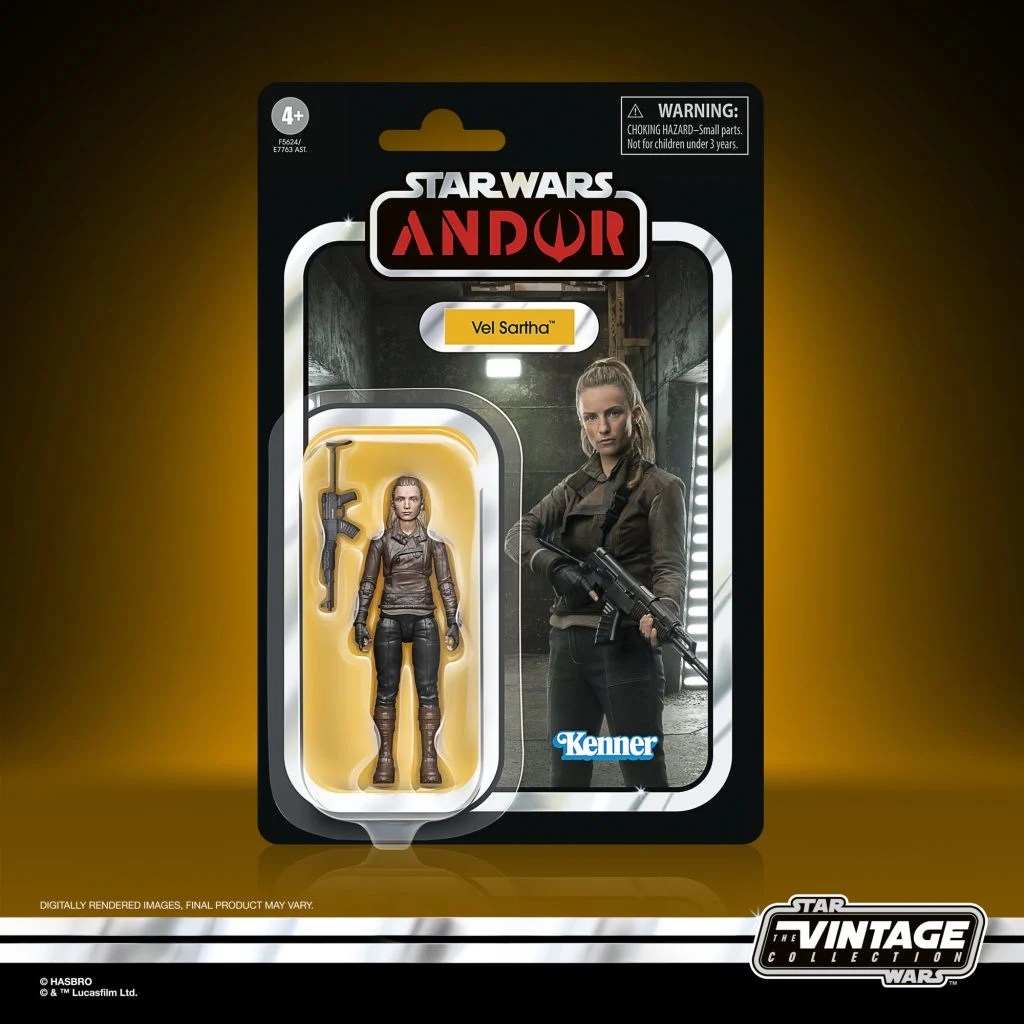
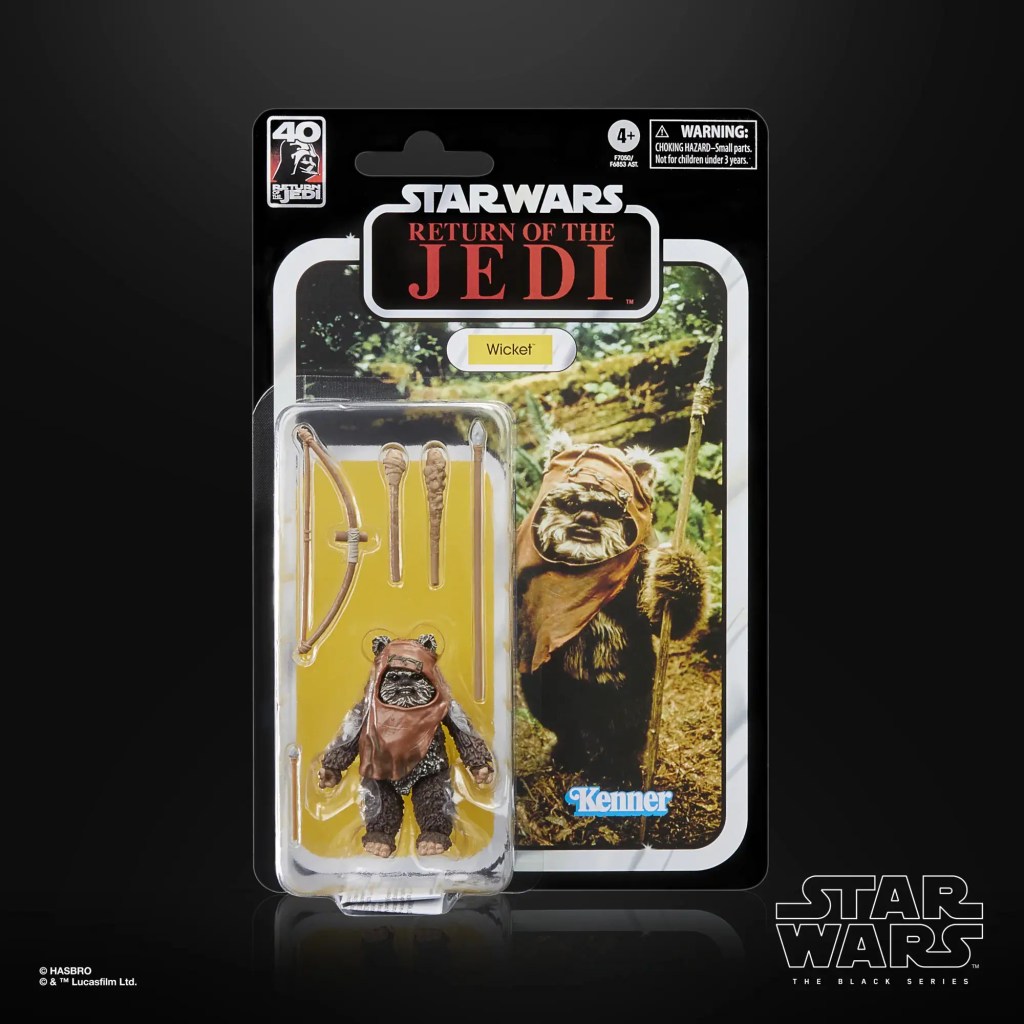
To end the day, Hasbro revealed a bunch of upcoming Star Wars releases on the second day of the event. From the Vintage Collection line, the team announced Cassian Andor and Vel Sartha from the Disney Plus Andor series, along with Hunter from the Bad Batch and a Modal Nodes Multi Pack, which will be a Hasbro Pulse/Shop Disney Exclusive. Next up were the newest 6 Inch Black Series figures, that included Bix Caleen, Luthen Rael, Mon Mothma, and Cassian Andor from the Andor series, as well as Axe Woves from the Mandalorian. Also announced was the first wave of the Return of the Jedi 40th Anniversary Collection, which features Princess Leia (Endor), Han Solo (Endor), Lando Calrissian (Skiff Guard), Biker Scout, and Wicket the Ewok. As with previous anniversary waves, this collection will feature a mixture of new and repacked figures on the iconic Kenner card backs.
ALL STAR WARS PHOTOS ARE COURTESY OF HASBRO
All announced items are currently available for pre-order on their respective sties, and will be released at various times during 2023.
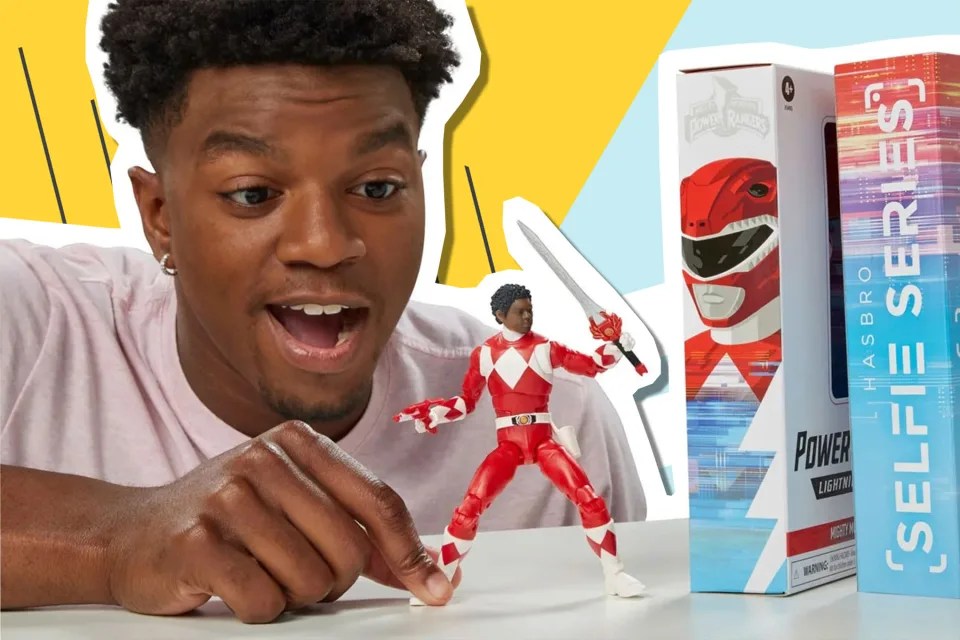
Are you ready to make your wildest dreams come true…………………..well, at least the one involving you being made into an action figure. Beginning this Fall, that’s exactly what Hasbro is doing. Every child growing up with toys and action figures has dreamed about an action figure of themselves, and it’s finally becoming a reality.
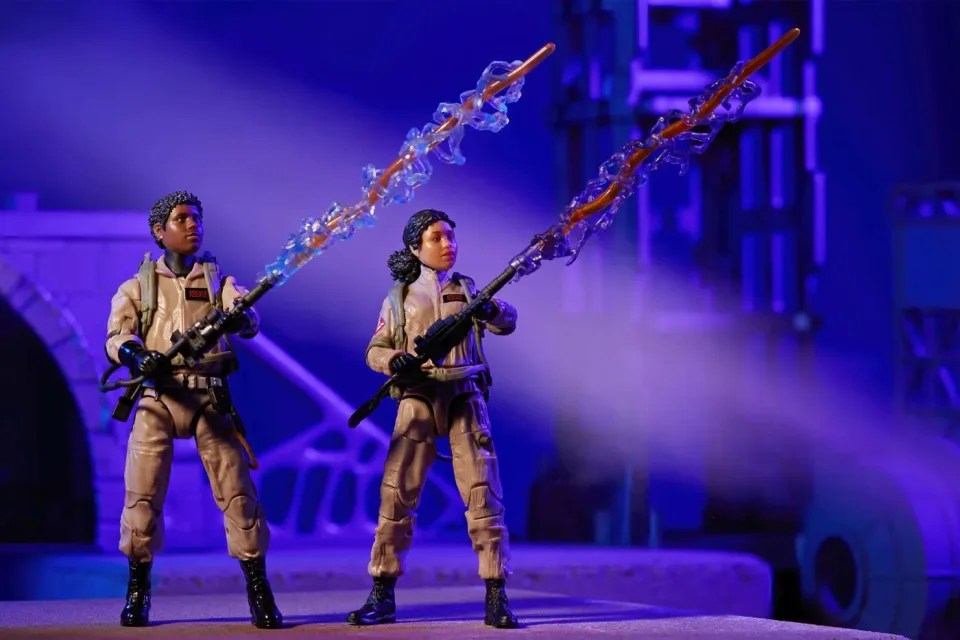
In collaboration with 3D printing company, Formlabs, Hasbro is offering fans the opportunity to put your face onto the body of one of their favorite Movie or TV characters from Star Wars, Ghostbusters, GI Joe, or Power Rangers. Those are the only ones released at this point, but Hasbro owns a lot of licenses, so we’ll see who gets added to the party later on.
You will have to download the Hasbro Pulse App to participate in the Selfie Series
Photo courtesy of Hasbro
Hasbro’s Official Announcement
“Want to immortalize yourself as your very own action figure?”
“This one-of-a-kind experience will be launching in Fall 2022 exclusively on the Hasbro Pulse mobile app (for fans aged 16 and older, in the US only).”
Many details have yet to be announced, but the process is seemingly painless. First, you will have to download the Hasbro Pulse app to get started. Then, you will scan your face, choose your desired look, and then stand by the mailbox and wait.
Once again, exact pricing details have yet to be announced, but Hasbro has floated out the number of $60 for the entire process. That seems like an amazing deal for something this cool, but we will definitely have to see how the pricing plays out closer to launch. If the price point holds true, that’s a bargain, because I would pay WAY more than that to make myself an action figure.
Photo courtesy of Hasbro
The Selfie Series will all be made available this Fall, so stay tuned for more information.
This Toy Spotlight focuses on a true legend in the action figure industry, and an item that many kids had from the 1970’s. When Mego launched their Star Trek toy line in 1974, it was an instant hit. The first wave of items included a few action figures, accessories and one gloriously fun playset. That playset, made for the 8 inch figures, is now considered a iconic toy classic. So without further ado, I present Mego’s U.S.S Enterprise Playset from 1974.
By 1974, Mego Toys was quickly becoming a global name in the toy industry. With the World’s Greatest Heroes line already proving to be a huge success, Mego turned their sights on other licenses from the the big and small screens. The original Star Trek television series ran from 1966 to 1969 and spanned 79 episodes. In late 1969, Star Trek began running syndicated episodes in over 200 markets, which sparked a huge revival of interest in the show. Star Trek became so big, the original actors returned to voice their characters in an Animated Series from 1973 to 1974. Mego took notice of this, and quickly signed Star Trek to a licensing deal for a very reasonable price. Mego had high hopes for the line from the very beginning, and their attention to detail really showed with the first wave of figures and accessories. Since Star Trek Mania was at a fevered pitch, the Star Trek action figure series turned out to be one of the biggest selling lines that Mego ever produced. It did well enough that additional waves of figures and accessories were released in following years.
The first wave of Star Trek items included five action figures, and a few roleplay accessories such as the Communicator set, a Tricorder, and of course, the Enterprise playset. The Enterprise was arguably the most successful and best selling playset that Mego had ever created, depending on who you ask. It was available in abundance due to massive production numbers by Mego, but you can’t really blame them. Despite the large production runs, it still sold extremely well. The U.S.S Enterprise Action playset was the first one released for the Star Trek line, and would go on to become an icon of that era of toys. The playset itself was not incredibly accurate to the actual bridge from the Enterprise, but it definitely captured the spirit of it, and it was just plain fun.
The Enterprise playset itself could be folded up into a neat and tidy carry case, complete with a handle on top. The set included a computer console with two crew member stools and of course, the captain’s chair. Also included were three different two-sided viewer screens that could be manually changed out. The Enterprise set was basically broken down into three different areas of the ship. The main part was of course, the bridge. This is where you could set up the computer and chairs, along with the view screens. This was the largest area, and could easily accommodate several Star Trek figures. There was a small room to the right of the bridge, which is identified as the “Engine Room”, but has no accessories. The final section of the playset also happens to be the absolute coolest part of it, the transporter room. A figure would be placed inside the transporter, and then you would spin it by using the spin button on top of it. Then you mash the stop button, and the transporter would come to a sudden stop. Just like that, the figure would disappear…..….or at least be on the other side of the transporter.
A “Gift Set” version of the Enterprise also exists, and came in a yellow box. The Gift Set is basically identical to the regular version, but includes the first five figures (Kirk, Spock, McCoy, Scottie, Klingon), and that’s about it. A separate “Transporter Room” was also offered overseas by the Mego subsidiary, Palitoy. This was essentially the same transporter as the one inside the playset, but sold separately. It was actually a nifty piece to have, especially when you wanted to re-create “transporting” from the Enterprise to a planet surface or another ship.
Mego’s U.S.S Enterprise Playset was a huge hit back in the mid 1970’s, and is highly coveted by collectors nowadays. There were a LOT of these sold back in the day, which obviously affects the secondary market value. The good news is that any collector of Mego or Star Trek needs one of these in their collection. It remains extremely poplar on the secondary market, and still brings good prices. Loose versions of the Enterprise playset can be easily found, and usually sell for affordable prices. Boxed versions can also still be found, but are getting harder and harder to find in a decent shape. Mego really set the bar high for future playsets, and the Enterprise is genuinely considered an all-time classic. Mego’s USS Enterprise remains the gold standard for what a successful action figure playset looks like. Despite its simplicity, it worked really well, and provided hours of entertainment for children (myself included) from that era. It still holds up extremely well, and if you don’t believe me, just ask my kids who loved making their more modern action figures disappear in the transporter room while playing with it. A big thank you goes out to Mego for their creative ingenuity in putting this classic together and shaping an incredible era of toys.
Since the last Indiana Jones movie was released in 2008 (Kingdom of the Crystal Skull), tracking down new items has proved as difficult as finding a Sankara Stone for Indy fans and collectors.
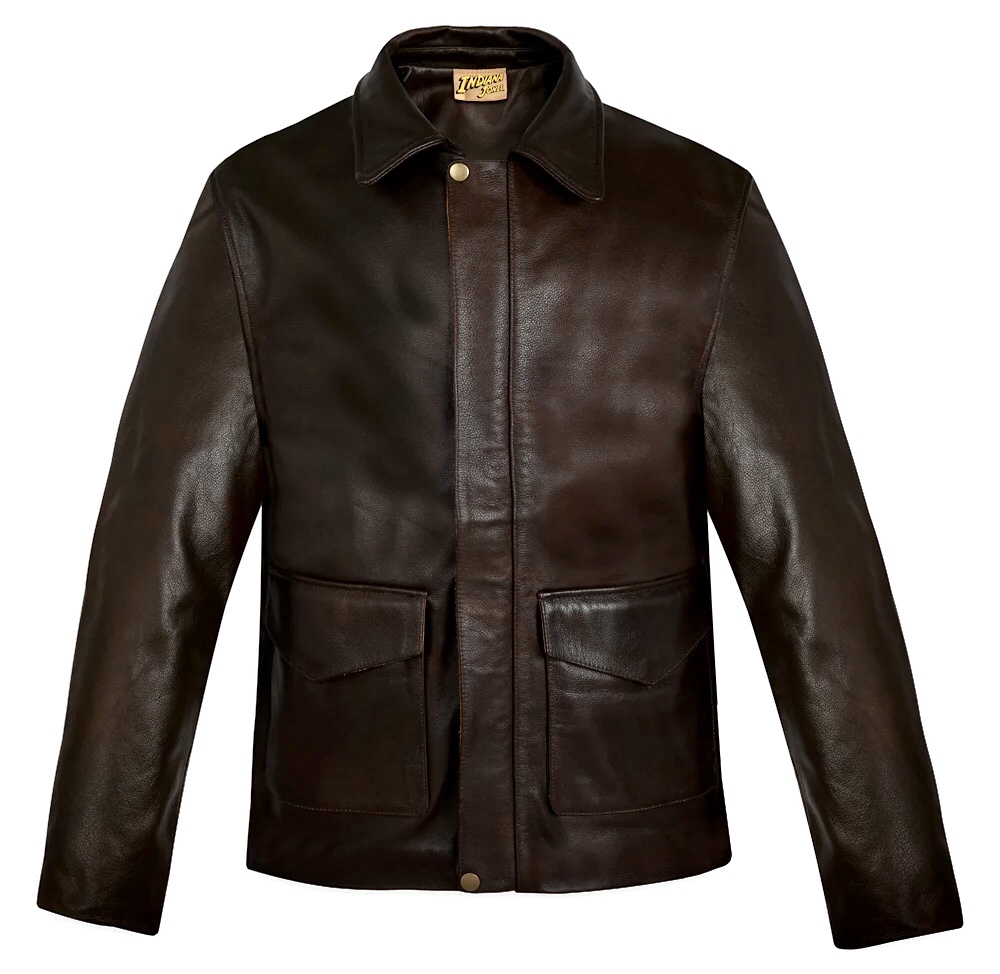
All that changed on June 24th, when Disney announced they would begin selling exclusive Indiana Jones merchandise on their Shop Disney site. These items can only be found on the website and of course, at the various Disney parks. These Items will all be made available on June 27th, at 7:00 AM PST.
Offered items include replicas of the more famous Indiana Jones props from the movies:
Disney has advertised that additional items will be offered later, and don’t forget that several other Indiana Jones related items can always be found at the parks, including pins, clothing items and various kid’s toys.
When it comes to toy brands, everyone knows the big boys such as Hasbro, Mattel and maybe even Playmates, but you are sorely missing out if you aren’t familiar with Super 7.
The Super 7 Company was founded in 2001 by Brian Flynn out of San Francisco. It started out as a magazine about vintage Japanese toys, which was published until 2007. Flynn, who was a designer by trade, also happened to be a rabid collector of vintage toys. So he began designing toy lines based on the popular brands from his youth. Super 7 now is the home of many fun and creative toy lines, but the one we are focusing on is my personal favorite, the ReAction line of figures.
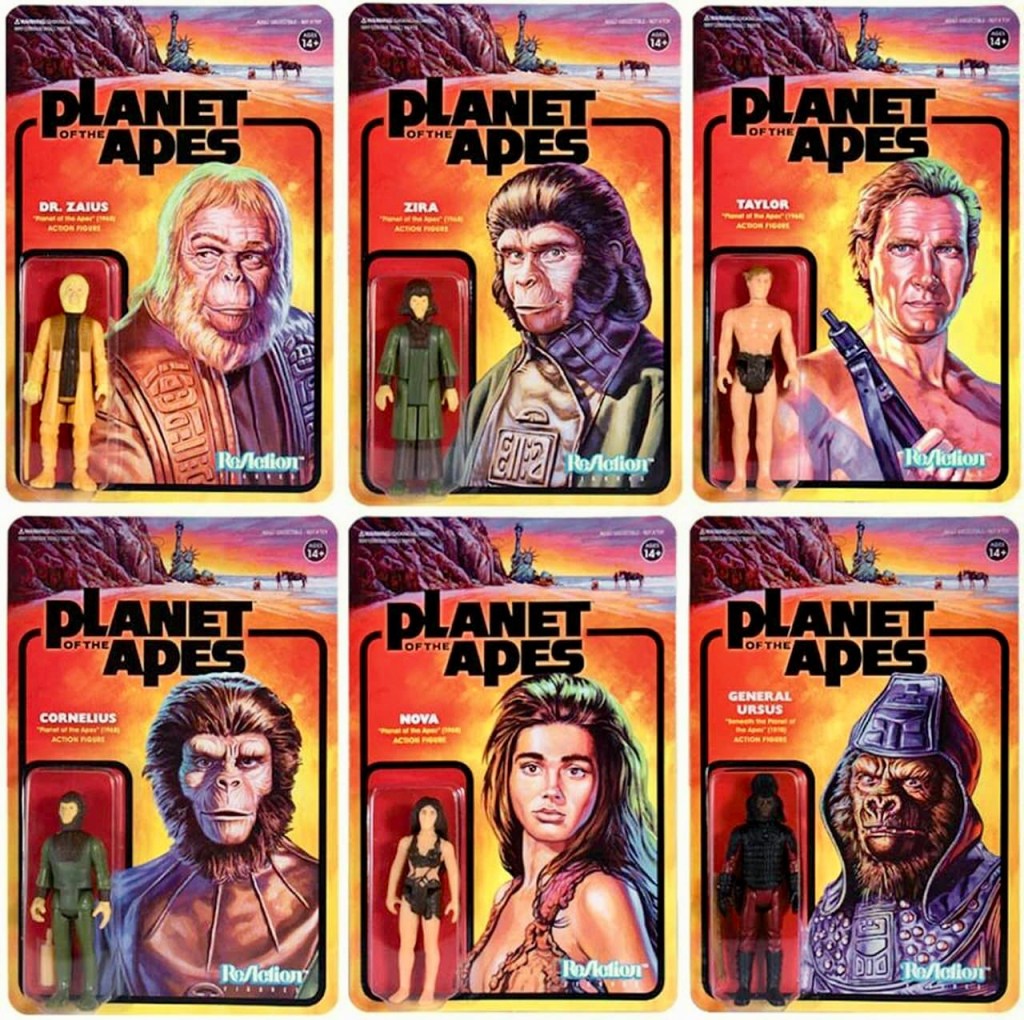
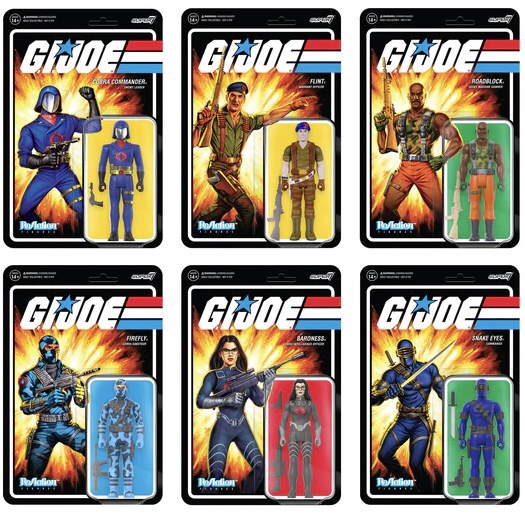
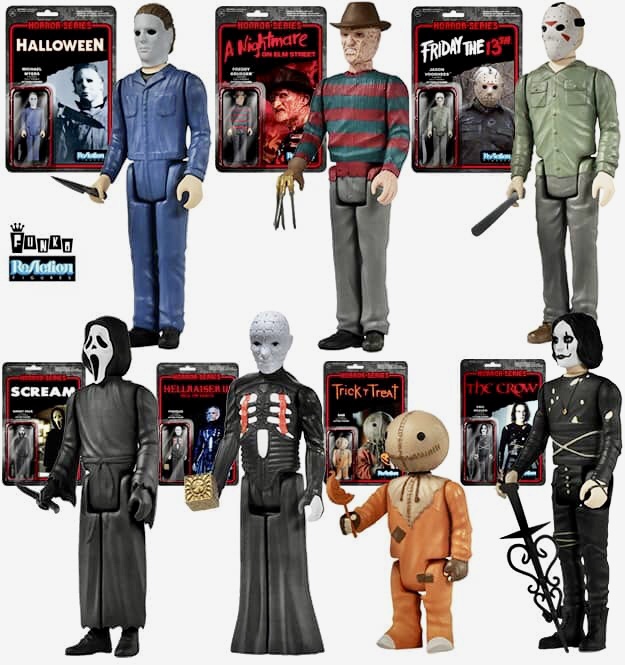
Super 7 began the ReAction series in 2013 with the classic style of the vintage 3.75” Kenner figures from the 1980’s. The figures basically created vintage style action figures of movies and brands that we grew up with, but never actually had an action figure line of their own during that era. The figures feature some pretty basic sculpting, but that’s what makes these figures so unique and charming.
When the ReAction line first began in 2013, Super 7 partnered with Funko to give them the licenses and distribution channels they needed. A few years later, in 2016, Super 7 announced they had resumed control of the line solely, and would began producing figures of their own without Funko. The ReAction figure line has been going strong ever since, with an ever growing lineup of brands and licenses.
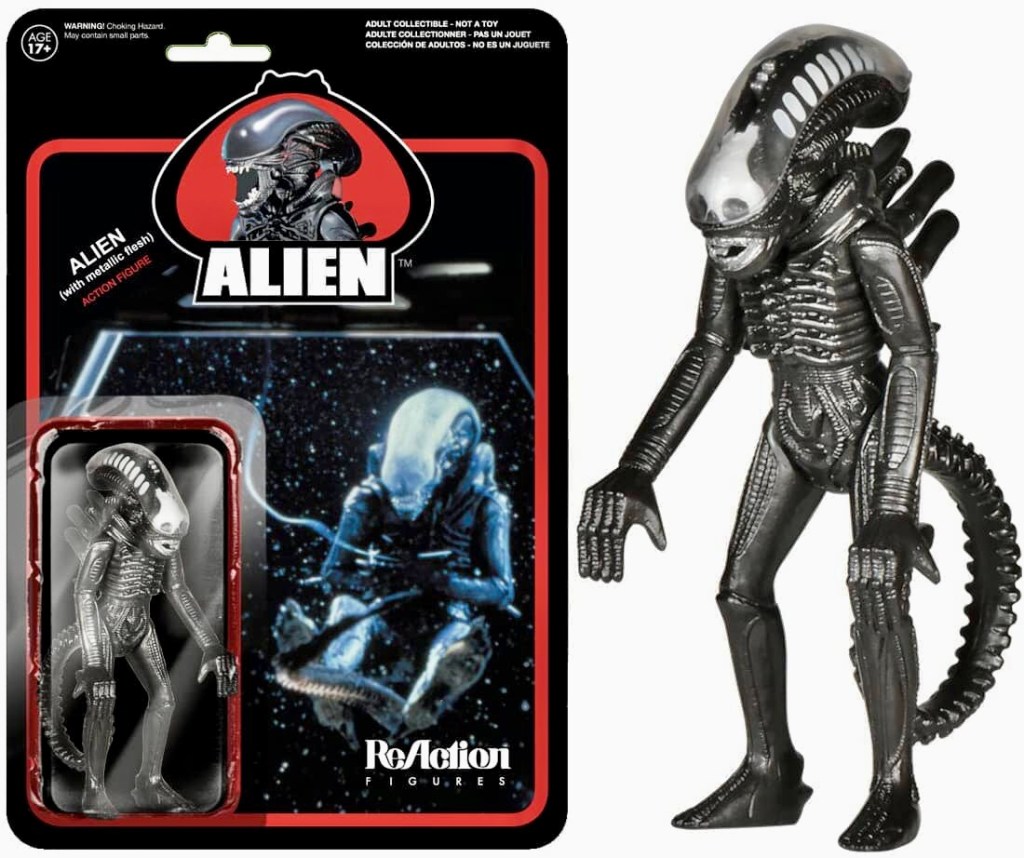
If you were to create a comprehensive checklist for all of the ReAction figures since 2013, it would be quite the long list. The line actually began with one franchise, and that was the classic 1979 movie, Alien. An action figure line was initially planned for the movie by Kenner, but never made it to release at the time, due to the mature theme of the movie. The figures were famously displayed in catalogs but were never actually releases to retail stores. ReAction launched an Alien line of figures in 2013 to mirror the figures that were originally produced by Kenner. The line launched at San Diego Comic Con that year, and turned into a huge hit.
The following year in 2014, ReAction went into full production mode with lines based on all kinds of franchises, such as Back to the Future, Goonies, Escape From New York, Firefly, Buffy the Vampire Slayer, Predator, Pulp Fiction and the Universal Monsters. The next year, 2015, saw the launch of Gremlins, The Karate Kid, Jaws, Terminator, Big Trouble in Little China, Nightmare Before Christmas, The Flash, and several modern horror brands such as Nightmare on Elm Street and Friday the 13th.
Super 7 definitely had the reputation of making action figures from just about anything they could get their hands on, and that has only grown over the years. Nowadays, Super 7 produces ReAction figures based on everything from sports figures (MLB, NBA) to music entertainers (Grateful Dead, Brittney Spears, Johnny Cash), and from established franchises (Transformers, GI Joe, TMNT) to famous Disney brands (Who Framed Roger Rabbit, Haunted Mansion, Buzz Lightyear). Super 7’s ReAction line truly does it all, and then some.
In fact, more than 100 different brands or licenses have been turned into 3.75″ action figures, thanks to Super 7. The good news for collectors is there are no signs of slowing down anytime soon, as new waves continue to get cranked out each month. Much like Funko’s Pop bobble head figures, if you can’t find a ReAction figure that speaks to you, then you really aren’t even trying.
The Toy Collectors Guide has now consolidated all three era’s of GI Joe figures under one banner on the menu.
Each era from the GI Joe line deserves its own section and needed to be separate from the others to give it the proper respect and attention it deserves.
What is different? Previously, I had separate tabs for the 1970’s Adventure Team and 1980’s/1990’s modern era figures. Both tabs are now under one “GI Joe 1964-1994” tab on the menu. In addition, I have now added the 1960’s Joe era as well.
What will I see when I click on the “GI Joe 1964-1994” tab? If you are searching for GI Joe items, you will begin by clicking on the master “GI Joe 1964-1994” tab from the menu. That will bring you to a Joe home page with each separate GI Joe era. This makes it much easier to find the Joe information you are looking for, and is perfect for browsing.
Are the individual pages the same? Yes, each individual page remained the same, I just consolidated them under one GI Joe banner to make it easier to search.
Why separate GI Joe into three different sections? GI Joe is naturally divided into those three sections because of the very unique era of each. The 1964-1969 waves focused on the military, while the 1970-1978 waves shifted from military to adventure themes. The 1982-1994 series shrunk the figures down to a 3.75″ size and went back to the military focus.
I hope you enjoy the new GI Joe format, along with all the new information I’ve added.
This Toy Spotlight focuses on a true action figure icon, and an item that sits atop the wish lists of many collectors. When Hasbro re-booted their GI Joe line in 1982, the one significant change it made was to shrink the figures down to a more economical 3.75 inch size. In addition to being cheaper to produce, it also gave Hasbro the flexibility to create a ton of amazing vehicles and playsets for their new sized figures. The smaller size allowed Hasbro to get really creative in putting together a cohesive GI Joe world, complete with all the bells and whistles. So, in 1985, Hasbro took a big gamble and released the largest action figure playset EVER created. Without further ado, I present Hasbro’s U.S.S Flagg Aircraft Carrier Playset from 1985.
They say that you can’t keep a good man down, so GI Joe made his triumphant return to toy shelves everywhere in 1982. The best part about the smaller sized figures, was that it opened the door for a ton of great vehicles, playsets and accessories. The older 12 inch figures had vehicles and limited playsets as well, but they were a bit clunky with not a lot of detail. The new 3.75 inch size allowed Hasbro to dive deep into just about everything the military had to offer, including tanks, jeeps, bikes, jets, helicopters, personnel carriers, and ships. Hasbro was testing the waters (no pun intended) with each new wave of Joe products, with more detail and grander scale each year. With all the new Joe figures and accessories, there was an big need for large scale playsets, and those playsets show the biggest evolution of the entire Joe line. Hasbro’s first released playset was a very standard and plain cardboard set called the Missile Command Headquarters in 1982. This was followed by the extremely cool GI Joe Headquarters Command Center in 1983, and none in 1984.
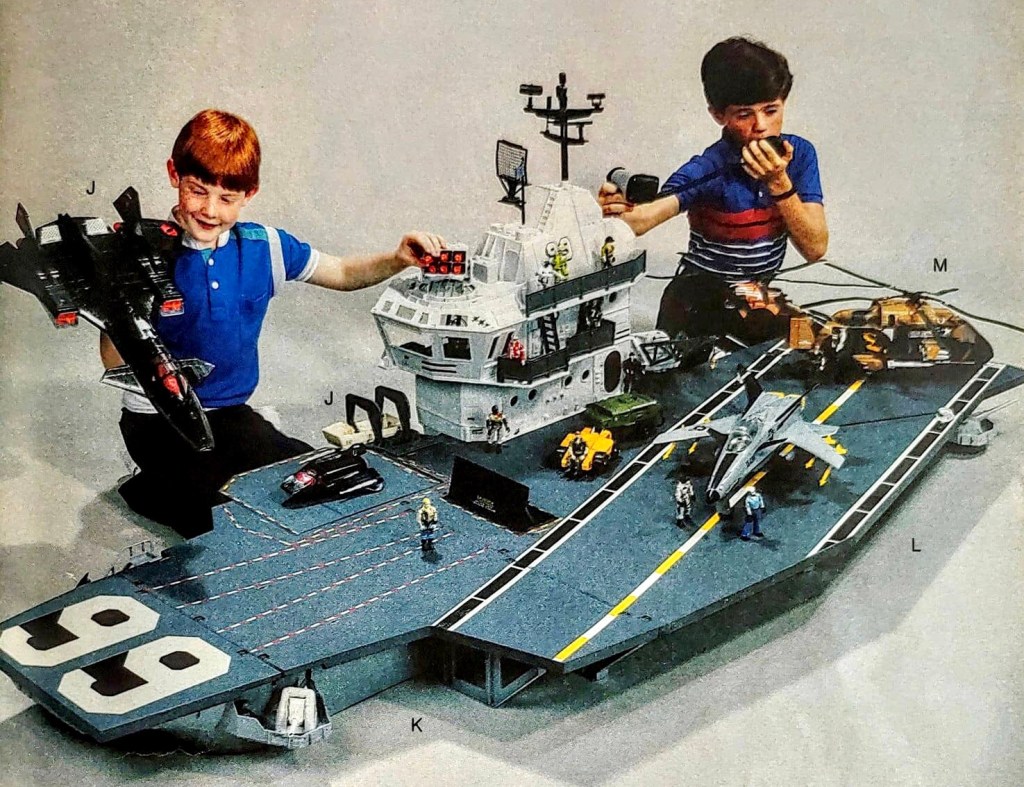
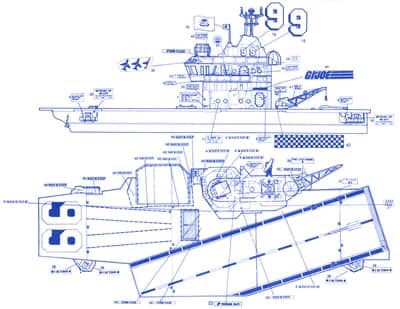
By the year 1985, GI Joe was firmly established as one the top selling toy lines in the entire world, and riding a massive wave of popularity. Hasbro could now afford to take a few chances with different types of ideas and get creative. One of those big ideas (no puns intended) was the U.S.S Flagg (CVN-99). It was proposed the year prior, and got the green light after the Joe line posted massive sales numbers in 1984. The Flagg was a traditional aircraft carrier, modeled after the real life, U.S.S. Nimitz. Hasbro knew they had to make the carrier big because of the already large sized vehicles that would be on it, such as the Skystriker jet. If it was built to true scale with the rest of the Joe figures and vehicles, the Flagg would’ve been nearly 65 feet long and 13 feet wide. As amazing as that sounds, it just wasn’t going to happen. The final size of the U.S.S Flagg ended up being 7 feet and 6 inches long, just over 3 feet wide, and almost 3 feet tall. That may not be 65 feet, but it was still absolutely HUGE for an action figure playset at the time, or any time for that matter. In fact, it would be the largest item ever created for any action figure line, and remains so to this day.
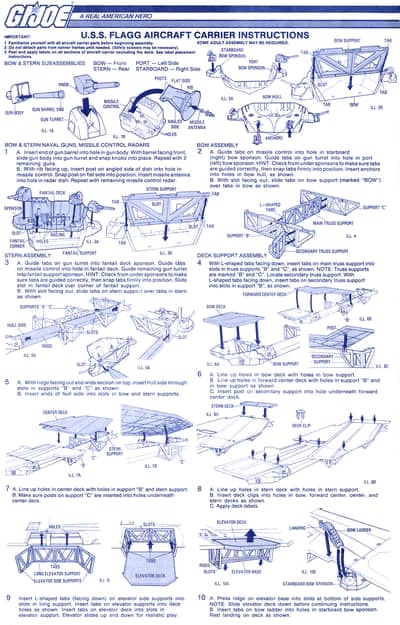
When the U.S.S Flagg hit the toy shelves, it retailed for $109.99. That’s a steep price to pay for a playset in today’s world, so you can imagine how that felt in 1985. For obvious reasons, the Flagg was produced in more limited quantities than other GI joe vehicles and accessories of the time. Any child who grew up in the 1980’s immediately wanted this, as soon as we saw it in the store catalogs. This was, without a doubt, one of the most iconic toys of the entire GI Joe line. At first glance, the box for the U.S.S Flagg was huge. Once you dumped all the pieces out, and took a glance at the mini novel instructions, you instantly knew that your work was cut out for you to put this thing together. The main deck came in four large plate pieces, that fit onto the main bow support. If you go by the instructions, you will have to assemble several other pieces before you get to putting the main deck together. To say this thing had a lot of small pieces for assembly would be a MASSIVE understatement. I’m very sure that many parents back in the 80’s struggled to put this together. This assembly can be a bit overwhelming, but just focus on the ultimate prize of seeing the Flagg in all of its glory, sitting on your dining room table!
When completely assembled, the U.S.S Flagg really comes to life, with all of its detailed pieces and features. The ship came with a two-piece vehicle, which was a tow vehicle and fuel trailer. It also included multiple radar dishes, missile launchers, cannons, an elevator deck, arrestor cables, and an admiral’s launch ship. One of the more awesome features of the Flagg was the electronic public address system. This was basically a bullhorn hooked up to a speaker, that allowed kids to speak into it and have their voice projected around the room, just like being on board the ship. The PA system also played various battle sounds to simulate those classic fights with Cobra. The commander of this incredible ship was Vice-Admiral Keel-Haul, who was included with the Flagg. Even though the U.S.S Flagg was featured in both, the comics and animated series, Keel-Haul never was. This ship also later inspired the Joe figure of General Flagg, released in 1992, who was the son of the original commander of the U.S.S Flagg.
Hasbro’s U.S.S Flagg Aircraft Carrier was a tough sell back in 1985, but is highly coveted nowadays by GI Joe fans around the world. I would guess that it sits near the top of any Joe collectors “Holy Grail List”. The problem is, this item doesn’t come up for sale very often in its original box, and will cost a small fortune when it does. Even loose and incomplete versions of the Flagg go for big dollars on the secondary market. With all due respect to Kenner’s Star Wars line, Hasbro really set the bar when it came to vehicles and playsets for 3.75 inch figures. They created an incredible world for their figures to play in, and brought lots of fun to their GI Joe line. In a business abound with new innovations and creativity, it can be difficult to stand out and truly move the needle, but that’s exactly what Hasbro did with the U.S.S. Flagg. It wasn’t just a huge playset, it was a game changer. No one had ever seen anything like this before, and to be honest, I highly doubt anyone would ever try again. This was absolute joy, stuffed into a massive box, and anyone who was/is lucky enough to own one of these, must have really done something good in their life.
Mega Con is an annual event that’s held in Orlando each year, and is one of the biggest shows in North America. It began back in 1993, and has seen massive growth ever since. The show now attracts well over a hundred thousand visitors from all over the world. This year’s Mega Con was held from May 19 – 22, at the Orange County Convention Center. Since fans come in all shapes and sizes, Mega Con is the perfect gathering spot for those who enjoy just about every aspect of fandom. There is truly something for everybody, and this year’s Mega Con was bigger and better than ever before. The show was held at the North/South concourse of the Convention Center, which is their largest area. That means LOTS of room for shopping, cosplay, exhibits, photo-ops, celebrity autographs, panels, or just soaking in the atmosphere.
Mega Con 2022 boasted 400,000 square feet of fan goodness this year, with an incredibly massive area for shopping and sight seeing. This area included hundreds of exhibitors, retailers, and artists. If you can’t find anything to buy at Mega Con, then you’re probably at the wrong place. There are toys, clothing, comic books, masks, artwork, cosplay accessories, and more Funko Pops than you can possibly imagine. In addition, there are fan panels and displays set up on both, the north and south concourses. This allows for twice the amount of panels with just about every aspect of fan culture that you can think of. Each celebrity attending the show had a panel of their own, with the bigger ones being ticketed events throughout the weekend for the Hobbits, Frank Miller, Kevin Smith and Jason Mewes. Many other panels were also held for collecting, cosplay, podcasts, design, paranormal interests, art, gaming, and much more than I can list. Let it suffice to say, that there was a panel or display for everyone.
Another huge reason to go to any convention are the celebrities, and Mega Con always comes through with some of the biggest names in the business. This year was no different, as Mega Con featured the hottest names from the big and small screens. Attending the event were all four Hobbits from Lord of the Rings (Elijah Wood, Sean Astin, Billy Boyd, and Dominic Monaghan), Cobra Kai stars (Ralph Macchio, William Zabka, Martin Kove, Mary Mouser and Tanner Buchanan), Brent Spiner and Levar Burton from Star Trek, the crew from Clerks (Kevin Smith, Jason Mewes, and the gang), Nathan Fillion, Gina Carano, Brendan Fraser, and so many more. For animated fans, there was the legendary Kevin Conroy, and Billy West, James Arnold Taylor, Ashley Eckstein and Matt Lanter from Star Wars, Paige O’Hara, Chris Sarandon and many more. Wrestling fans got to enjoy Alexa Bliss, Ric Flair, Jerry Lawler, the Bella Twins, Kevin Owens and even the UNDERTAKER!
One of the biggest parts of any convention nowadays are the absolutely amazing cosplayers! Since Mega Con has such a broad spectrum of fans, every single corner of pop culture was well represented. There were plenty of tributes to iconic franchises such as, Star Wars, Star Trek, Lord of the Rings, Doctor Who, and more. The comic book world was certainly well represented with cosplayers from every part of the Marvel and DC universes. Disney was everywhere with their large selection of princesses and characters. The Anime world was also out in full force with Cosplayers from Dragon Ball Z, My Hero Academia, Full Metal Alchemist and more. The most commonly seen costume for men this year, would have to be Spiderman, with the Mandalorian finishing a close second. Most popular costume for the women goes to Marvel’s Scarlett Witch/Wanda, with a strong presence of female Batman villains for runner-up.
Mega Con in Orlando is a four day event, and even that isn’t enough to see everything. One of the most amazing aspects about this show, is that you could walk around for all four days, and still see things on day four that you had not come across. Mega Con has grown into one of the premier fandom cons in the country, and will only continue to grow as pop culture fans flock to the event each year. The company, Fan Expo, does an amazing job of putting this show together, and has come up with a winning formula in Orlando. Overall, Mega Con is a large show with something for everybody, and a complete sense of awe from the moment you walk in the door. Despite being such a large show, Mega Con maintains a tremendous sense of of organization with very few issues along the way. Even though it may get a bit tight on Saturday’s, it’s always a pleasant experience to get around. This show is definitely one that I circle on the calendar each year, and truly can’t wait to see what next year brings.
This week’s Toy Spotlight article focuses on another action figure pioneer from the 1970’s. During that era, the toy market was changing in a big way, and really beginning to take shape. Television and movie stars, along with pop celebrities were making the big jump into the toy world. With that in mind, there was no bigger television show on the air in 1975 than the Six Million Dollar Man. It was time for the Bionic Man to crush the toy market just like Colonel Steve Austin crushed bad guys on the small screen. So this Toy Spotlight is on, Kenner’s Six Million Dollar Man action figure from 1975.
In all started back in 1973 when the ABC television network decided to take a chance on a new TV series. It was based upon a book series called “Cyborg”, which was written by Martin Caidin. Instead of going with the book title, ABC decided to change it to The Six Million Dollar Man. The 90 minute pilot episode debuted on March 7, 1973. The show and its star, Lee Majors, would go on to become a smash hit and gained international success. It seemed a no brainer that a toy line would come from this hit series, and the Kenner Toy Company was the lucky one to secure that license. Kenner released their Six Million Dollar Man line in early 1975, and to say it was a huge success would be an understatement. Since the show was already an international hit, so were the toys. They sold out on toy shelves across the globe and became an instant classic.
Television and Movie action figures had certainly been done before the Six Million Dollar Man came to town. Mego made it a popular trend with their Star Trek, Planet of the Apes, and Wizard of Oz action figure lines. Even before that, we saw toy lines from major 1960’s brands such as Bonanza, Man From UNCLE, Batman, and even James Bond. On its own, action figures from a TV show weren’t that unique, but the Six Million Dollar Man was a Bionic Man with cybernetic parts, so he was ready made for a super cool action figure. Hasbro’s GI Joe toy line had upped their game in the early 70’s with their Adventure Team, and began producing new types of inventive figures. Kenner decided they needed to do the same by making their Six Million Dollar Man figure unique, and adding their own special features.
Any child who grew up in the 1970’s, either had this figure or wanted to have it. This was, without a doubt, one of the most iconic toys from that era. At first glance, the Steve Austin figure came with his classic two piece red jogging outfit, along with red sneakers (no socks). In case he ever forgot who he was, there was a patch on the left side of his chest with the Six Million Dollar Man logo. The head sculpt was pretty spot-on, with an excellent likeness of the actor, Lee Majors. His main included accessory was a plastic molded engine block (more on that later). All of that was well and good, but the real thing that made this figure stand out from the pack were his many special features. Among those many features was a telescoping eye that would allow you look through the back of his head, and see whatever the figure was seeing in front of him. Steve also had a super strength feature that used the car engine block accessory. This allowed Colonel Austin to lift up to two pounds by simply pushing a button on his back (note: his head needed to be turned to the right to make this happen). When the button was pushed, It even made bionic sounds! There was a thin rubber “skin sleeve” that could be rolled up on his arms that exposed the Bionic panels underneath. This was a simple but incredibly effective way to convey the bionic/cyborg part of the figure.
Two more versions of the Six Million Dollar Man figure would be released in the following years. The second version had the same Steve Austin character with red jogging suit, but he now had a Bionic Grip to clamp down on items. The third and final version featured Steve Austin in a different red outfit altogether, with a Supersonic feature, which was basically a super Karate chop. Even though these other figures were nice, they just weren’t the original OG real deal Six Million Dollar Man that all know and love. Kenner also released multiple accessories, playsets and vehicles to go along with its star toy line, along with a load of various non-action figure items such as Play-Doh sets, Movie Viewer, Give-A-Show Projector and much more.
Kenner’s Six Million Dollar Man series was incredibly popular back in the 1970’s, and remains highly collectible in today’s market. From that series, the Steve Austin/Bionic Man figure stands out as one of the best examples of original ingenuity in the toy industry. The creation of this line by Kenner ushered in a new wave of creativity, and brought lots of fun to their Six Million Dollar Man line. This creativity would also carry over to other future Kenner brands, such as Star Wars. Over the course of this article, I’ve listed many reasons as to why the the Bionic Man figure stood out, and became such an iconic piece of toy nostalgia. The biggest truth as to why this figure stands out so much, was that it was just so darn to play with, and that is a formula not easily duplicated in the toy world.
Notice the Six Million Dollar Man action figure behind Lee Majors in this scene from the show!
You must be logged in to post a comment.