Year: 2023

Batman’s Wayne Foundation (Mego – 1977)

A Landmark Playset by Mego!

This Toy Spotlight focuses on an iconic playset from Mego, and an item that sat atop the wish list of many kids back in the late 1970’s. Mego’s World’s Greatest Super Heroes line was a MASSIVE hit at the time, to say the least, and enjoyed worldwide success. Mego certainly gave us plenty of figures and accessories for the line, but their playsets were simply amazing! (Star Trek Enterprise, Bat Cave and Planet of the Apes Tree House to name a few). By 1977, Mego was the undisputed king of the toy world, so they could afford to take some risks, and boy did they ever! Mego released the largest item ever produced for the World’s Greatest Super Heroes line…….. and it was a good one. So without further ado, I humbly present Mego’s Wayne Foundation Playset from 1977.
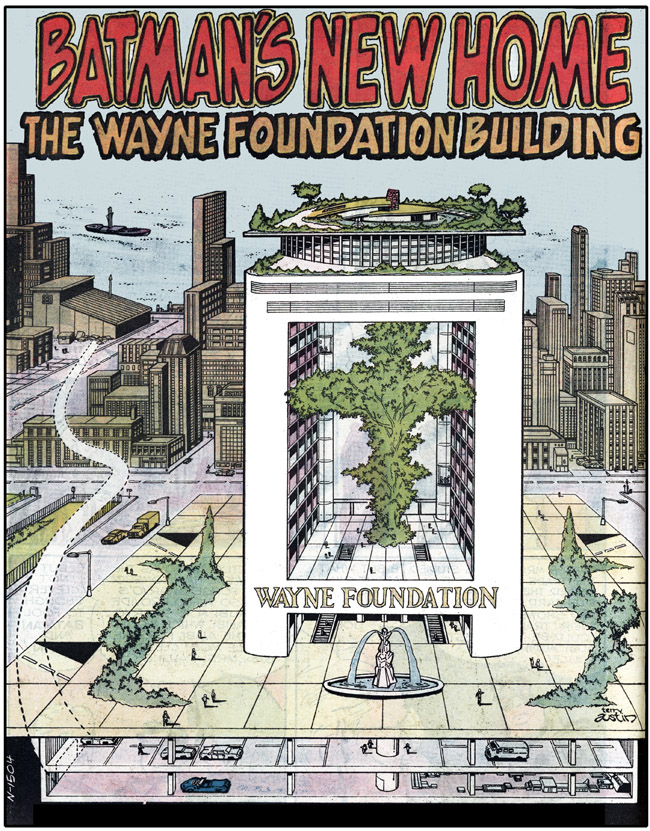
Mego certainly went heavy on the Batman action figures and accessories, and why wouldn’t they! Batman was insanely popular, with reruns of the 1960’s show, a successful animated series and of course, several best selling DC Comics. Batman was also among Mego’s best selling action figures, along with all things Batman selling extremely well. They had already made the Bat Mobile, Bat Copter, Bat Cycle, Mobile Bat Lab, Joker Mobile and Bat Cave, not to mention numerous versions of Batman related action figures. It looked like Mego was starting to run out of ideas for Batman items, so they borrowed an idea from the DC Comic world. Neal Adams’ Batman storyline at the time was trying to separate itself from the 60’s show and take Batman back into the “Dark Knight” detective storylines. Robin was off to college and Batman was running solo. Because of the new storyline, Bruce Wayne took up residence at the Wayne Foundation in Downtown Gotham. Penthouses and offices were on top, with secret labs and Bat rooms below. The guideline for the Wayne Foundation Playset was literally the Barbie Dream House and Neal Adams Studios helped design the playset, as well as the artwork for the décor, wall panels and packaging.

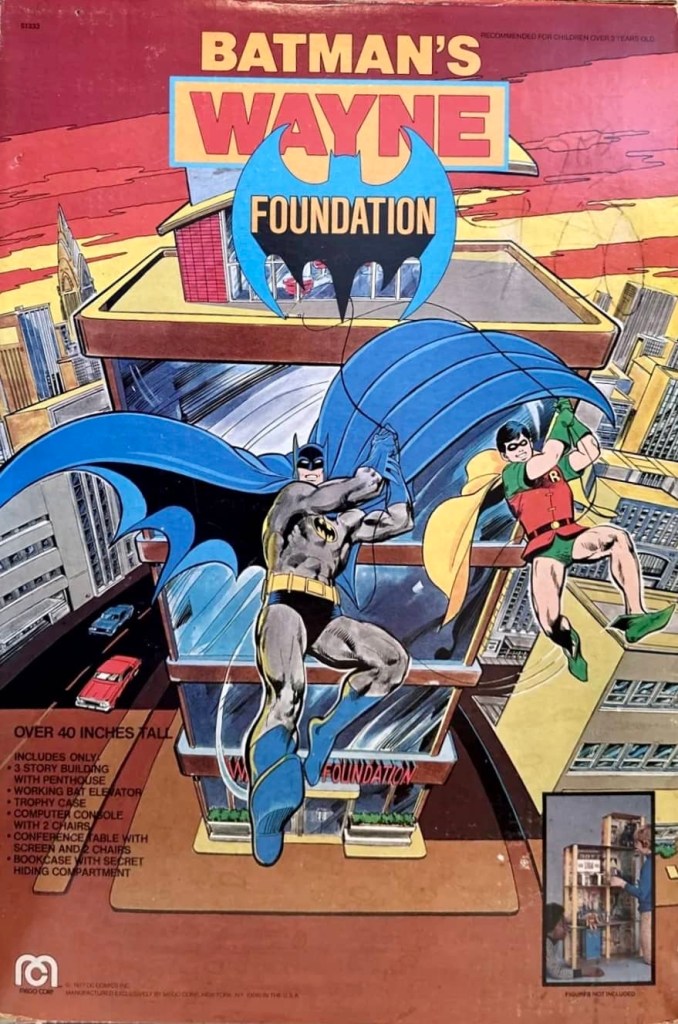
Of all the amazing and well-done playsets released for Mego’s WGSH line, the Wayne Foundation Playset stands alone as not only the biggest accessory made, but also among the most fun. Standing at a whopping 40 Inches tall and nearly Two Feet wide, this thing really had it all. There were four levels of fun, a bunch of accessories and it even came with a working elevator.

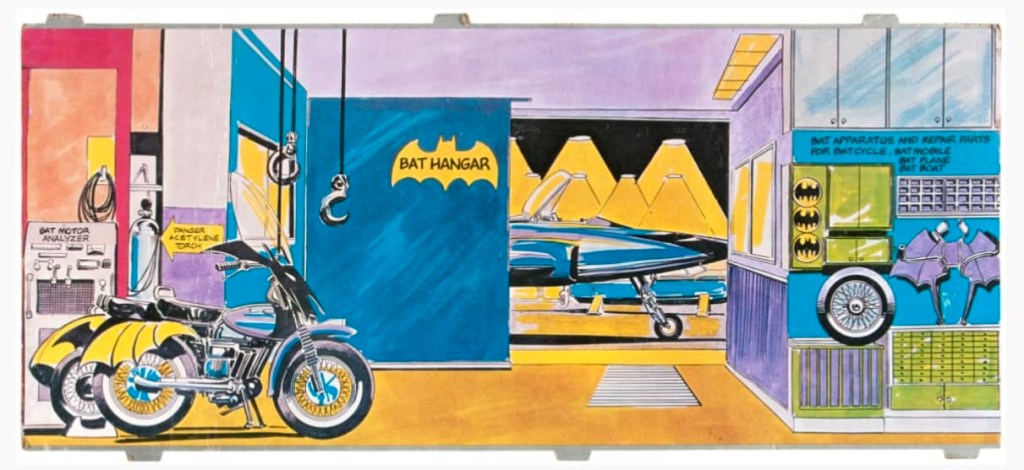
The playset was billed as a three story building with a penthouse (but isn’t that actually four stories?), anyway, starting at the top, the “Penthouse” was a secret room with a cardboard backdrop that was kind of science looking room with not much else. It was labeled a the “Bat Lab”. The next floor was the Hangar or Garage. This cardboard backdrop featured the Bat Plane, Bat Boat and Bat Cycle. There was also various repair tools and accessories painted onto the backdrop. Next is the Trophy Room. This is the iconic room that features all of Batman’s souvenirs and war spoils. On the cardboard backdrop, you can see the dinosaur and giant penny, along with a Man-Bat Portrait, Two-Face’s Coin, Giant Glass Eye, Cat Woman’s Whip, a Meteorite, Bat Mite Statue, and the Mad Hatter’s Hat Collection. This was always my favorite part of the playset. There were so many little Easter Eggs for fans and the artwork was gorgeous. The bottom floor acted as the Bat Lab or bad guy catching room. Even though the top floor actually says “Bat Lab”, this floor looks more like it. This is where the computer console would sit. The freestanding computer console itself is actually pretty darn cool because it features screen pictures of the Joker, Riddler, Lex Luthor and possibly Brainiac? The main photo on the bottom screen is the same one used for the Comic Action Heroes Superman Fortress of Solitude playset computer console with Superman, Green Arrow and others. Also included in the backdrop were all kinds of machines and gadgets to help Batman solve crimes and catch bad guys. The elevator stopped on all floors and ran on a cord that pulled it up and down. I won’t lie, the elevator instructions kind of read like an IKEA instruction manual, so I just winged it and it seemed to work fine.

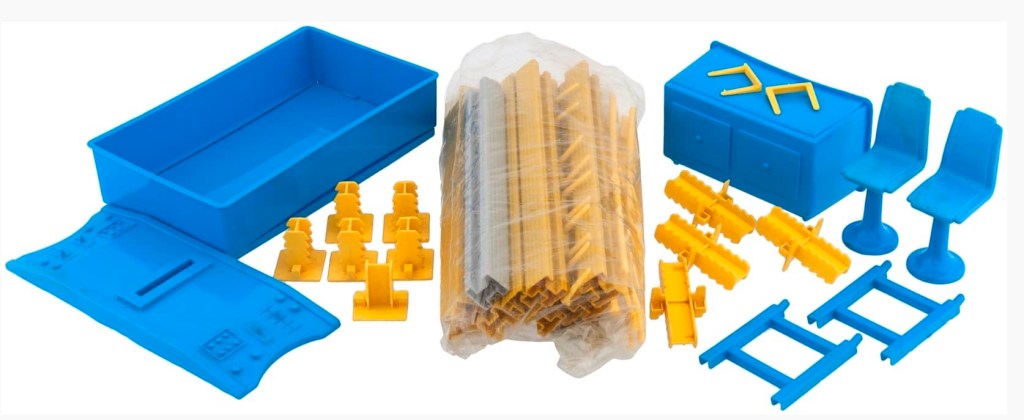
In total, the Wayne Foundation Playset included a Computer Console, Conference Table with Screen, Four Chairs, Trophy Case, Bat Elevator and of course…the Secret Bookcase. The bookcase had a sliding door that you could move to hide various parts of the playset, depending on where you wanted it on that particular day. The artwork on the box was beautifully done by Neal Adams, with a lot of nods to Batman history and lore. This really was the Barbie Town House for boys! Alas, the Wayne Foundation Playset marked the last of the great playsets for the 8″ figures, but at least Mego went all out on it.

The Wayne Foundation Playset was a bit of a gamble by Mego back in 1977, but is highly coveted by collectors nowadays. At an average price tag of around $17 – $20 (depending on where you bought your toys back then), and the large amount of space it took up on shelves, retailers weren’t exactly crazy about ordering bunches of these for their stores. As a result, there weren’t a ton of them sold back in the day, which obviously affects its value now. Obviously, this playset remains extremely poplar on the secondary market, and boxed Versions of the Wayne Foundation can be tough to find. Even loose sets can be hard to track down, mostly due to all the individual pieces. Finding one at a reasonable price will likely prove a tough task and could require some patience. Loose versions range in value from $400 – $600, depending on condition and whether they are complete. Boxed versions can fetch up to $1,500 or more, again depending on the box’s condition and whether it’s complete. Obviously, graded or sealed versions will sell for higher prices. This really is a centerpiece item for just about any Mego collection. Despite its large size, it worked really well, and provided hours of entertainment for children of that era. The Wayne Foundation was big, colorful, awesome looking, full of Easter Eggs, great details and just plain fun. Big Kudos to Mego for giving us a fantastic toy that entertained us and captured our imaginations.

We hope you enjoyed this TOY SPOTLIGHT! Be sure to check out our other Toy Spotlight articles from past months, Thanks.

Toy Spotlight TMNT TECHNODROME by Playmates
Toy Spotlight – Transformers FORTRESS MAXIMUS by Hasbro
Toy Spotlight – Star Trek USS ENTERPRISE PLAYSET by Mego
Toy Spotlight – GI Joe USS FLAGG by Hasbro
Toy Spotlight – Six Million Dollar Man Action Figure by Kenner
Toy Spotlight – Star Wars EARLY BIRD CERTIFICATE by Kenner


Top Ten – Ghost/Monster Figures From Kenner’s Real Ghostbusters Line

TOP TEN GHOST/MONSTER FIGURES FROM KENNER’S REAL GHOSTBUSTERS LINE

The Toy Collectors Guide continues our new monthly feature that highlights various toy lines with a emphasis on a top ten, because honestly, who doesn’t love a good top ten list!

This month, we put the spotlight on the Real Ghostbusters line with the TOP TEN GHOST/MONSTER FIGURES FROM KENNER’S REAL GHOSTBUSTERS LINE. Kenner created some pretty memorable and iconic characters for their Real Ghostbusters action figure line, but they also created some equally memorable GHOSTS to to get busted by our heroes. This list puts the spotlight on those fun ghosts and monsters that gave our Ghostbusters action figures someone to battle.

Top Ten lists are usually subjective by the author, and that is absolutely the case here as well. These lists are meant to inspire conversation and debate, so please feel free to leave a comment with who would make your list. Without further ado, here is November’s Top Ten list. We hope you enjoy and have some fun with it.

Top Ten – Ghost/Monster Figures From Kenner’s Real Ghostbusters Line

Number 10

Stay Puft Marshmallow Man

Released in 1986

As iconic as the Stay Puft Marshmallow Man is, I hated that his figure was essentially the same size of the other figures in the line (7″ actually). Seriously Kenner? That being said, what would a Ghost top ten list be without him! A slightly taller Marshmallow Man would’ve been awesome, but this was still a great figure for the line………but again, shame on you Kenner!


Number 9

Tombstone Tackle Ghost

Released in 1988

Tombstone Tackle Ghost is part of the Haunted Humans line. Watch as a plain old simple Football player changes into Tombstone Tackle. With his vicious looking jaw, pigskin tongue motion and rotating eyes, the Tombstone Tackle Ghost was ready put anyone out of the game!


Number 8

Gobblin’ Goblins

Released in 1990

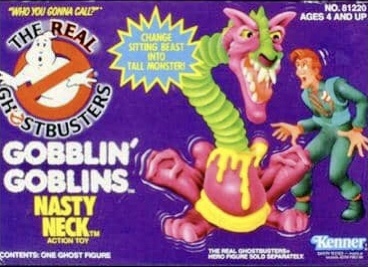
The Trio of Gobblin’ Goblins included Nasty Neck, Terrible Teeth and Terror Tongue (love those names). Each had a fun action feature that allowed it to make life difficult for our favorite ghost busting heroes, such as pushing on Terrible Teeth’s tail allows his mouth to open and gobble up nearby Ghostbusters.


Number 7

Frankenstein Monster

Released in 1989

Frankenstein is one of the Monster series figures. When you squeeze his knees together, his arms raise up and his mouth opens wide. The reason he makes my list is because of his awesome look. I know Kenner was trying to make the monsters cartoony looking, but Frankenstein still looks creepy when his mouth is open and arms outright in front of him.


Number 6

Proton Pack Green Ghost (Slimer)

Released in 1989

This new version of the Green Ghost, AKA Slimer, now came with a fright feature action that allowed Slimer to look scared in a cartoony kind of way. His eyes bugged out and jaw dropped when activated. Also, this version of Slimer now comes with his own Proton Pack and Ghost Zapper!


Number 5

X-Cop Ghost

Released in 1988

X-Cop Ghost is part of the Haunted Humans line from 1988. Watch as a simple friendly motorcycle cop changes into X-Cop, with a fully exposed skeleton. This was actually a pretty cool effect and worked really well when in ghost mode.


Number 4

Bug Eye

Released in 1987

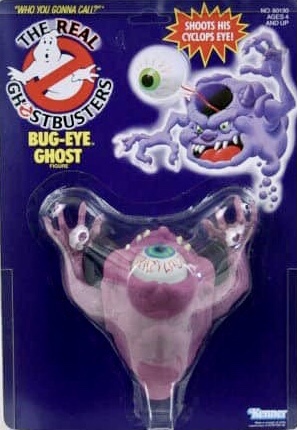
The Bug-Eye Ghost was another action ghost released in 1987. His action feature was that his cyclops eye would shoot out of the socket when you squeeze him. This thing actually had pretty nice distance and made for a SUPER fun effect by shooting an eye ball at your friends and family!


Number 3

Fearsome Flush

Released in 1989

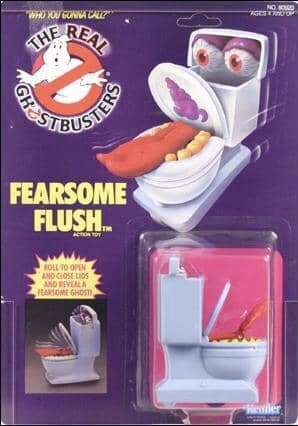
For all the kids who really wanted a toilet action figure……..Finally!! The Fearsome Flush was one of the action feature ghosts released in 1989. His action feature was that his lid would raise up and down when pushed along the floor, revealing the fearsome ghost inside. When you looked at this thing from above, it’s actually kind of gross, in that gas station bathroom sort of way.


Number 2

Gooper Ghosts (3)

Released in 1987

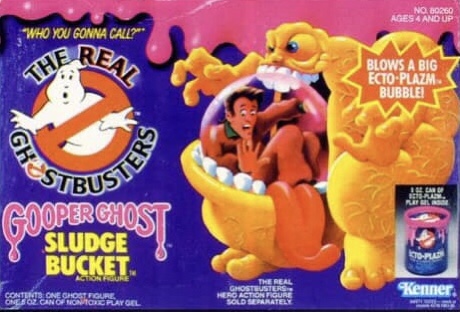
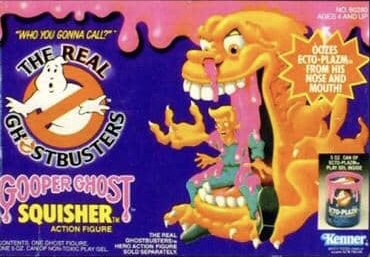
 The Banshee Bomber, Sludge Bucket and Squisher made up the three Gooper Ghosts. They each came with a jar of slime that would be poured into the provided bucket, that would ultimately be used to slime our favorite ghost busing heroes. Anything thing that involves slime is automatically elevated on my list!


Number 1

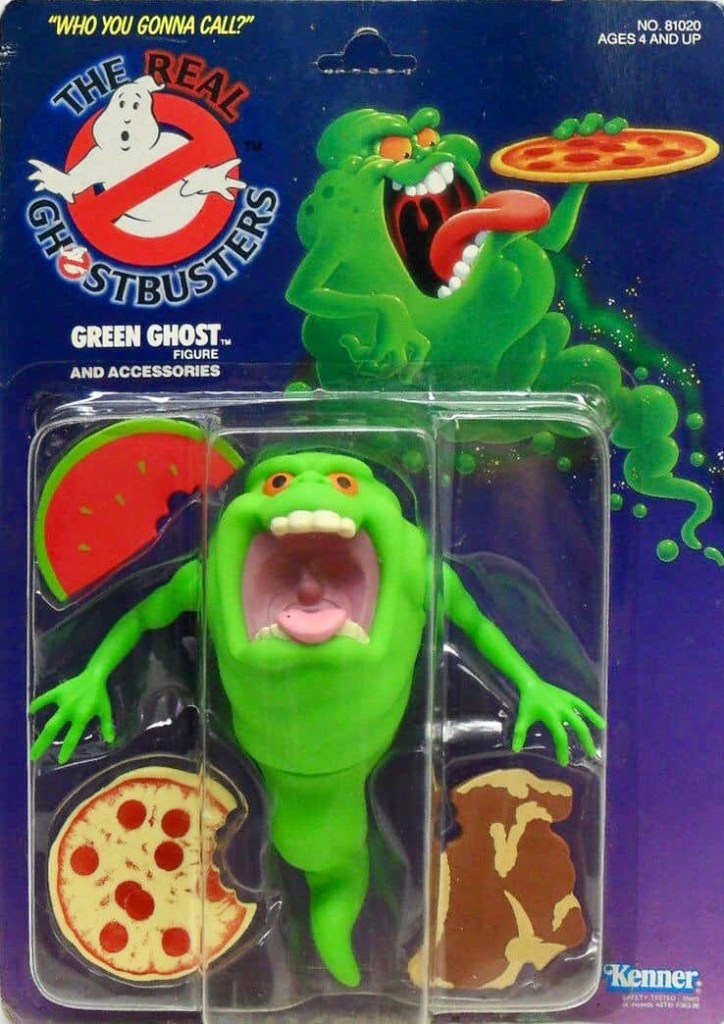
Green Ghost (Slimer)

Released in 1986

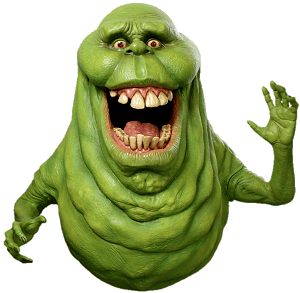
And now for the big NUMBER ONE Ghost or Monster from Kenner’s Real Ghostbusters line….Slimer!!! Come on, did you really expect anyone else? Aside from the Ghostbusters themselves, Slimer is among the most iconic characters from the Ghostbusters movie or animated series. Slimer was actually called by his proper name, Green Ghost. Of course, once the animated series popularized the Slimer name, it just stuck. Slimer comes with cool food props to re-create his famous sliming scenes. I know I already had another Slimer on this list, but he’s so cool that it just warranted two spots.


HONORABLE MENTION

Here are a few more super fun Ghosts and Monsters that just missed the cut:


Bad To The Bone (1987): The Bad to the Bone Ghost was one of the action ghosts released in 1987. His ribs opened & closed, along with bugged-out eyes and a dropping jaw when activated.
Granny Gross Ghost (1988): Granny Gross Ghost is part of the Haunted Humans line. Watch as sweet little granny changes into Granny Gross with her jaw & tongue action and googling third eye.
Wolfman Monster (1989): The Wolfman was another Monster series figure. When you squeezed his knees together, his head rears back, his jaw closes and his arms spread open. Great action features!
Green Ghost (Gooper Ghost) (1988): The Green Ghost (AKA Slimer) was another Gooper Ghost that could slime other figures, with a jar of slime that was poured into the character’s bucket.

We hope you enjoyed this month’s TOP TEN LIST! Be sure to check out our other Top Ten Lists from past months, Thanks.

Teenage Mutant Ninja Turtles – Technodrome (Playmates – 1990)

A look back at a Turtles Legend!

This Toy Spotlight focuses on a true icon in the world of the Teenage Mutant Ninja Turtles, and an item that sat atop many kids wish lists from back in the day. Playmate’s TMNT line was a MASSIVE hit at the time, to say the least, and enjoyed worldwide success. Playmates gave us plenty of vehicles and accessories for the line, but early on, only one large scale playset had been produced with the Sewer Playset in 1989. So in the following year, Playmates released the biggest Teenage Mutant Ninja Turtle toy of the action figure line, which is now considered a true toy classic. So without further ado, I humbly present Playmate’s Technodrome from 1990.

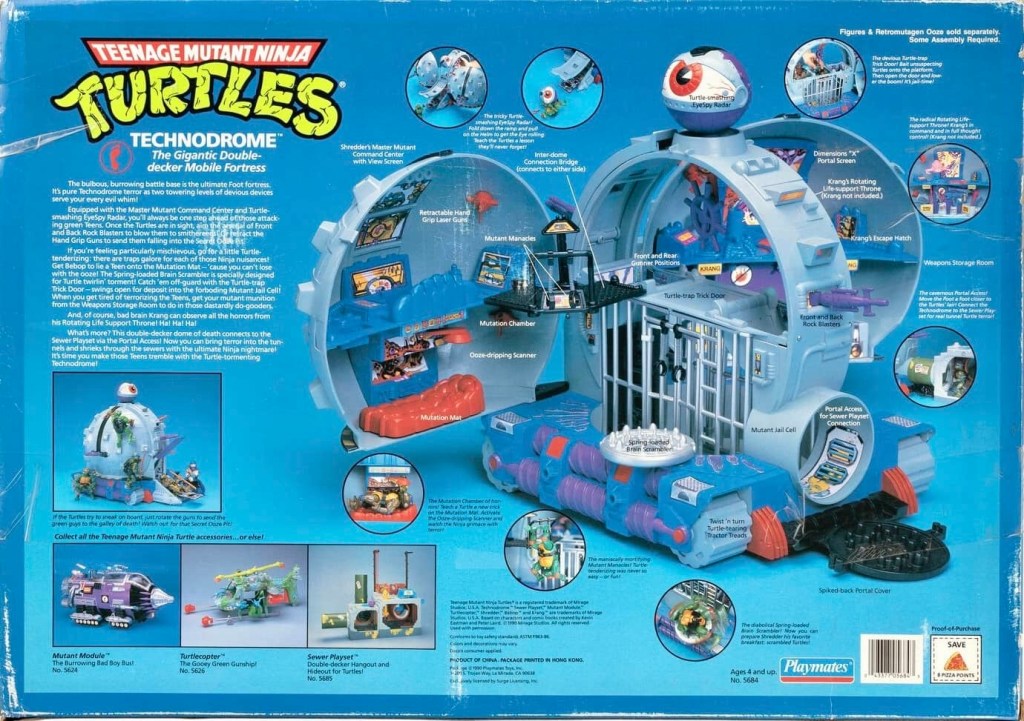
Shredder and his band of misfits acted as the main antagonists for the animated series and comics, and there were bunches of figures, vehicles and accessories created for the bad guys, but they didn’t have a base or headquarters until Playmates gave us the incredible Technodrome in 1990. The Technodrome made its debut in the first season of the TMNT animated series in 1987, and was featured in multiple episodes thereafter. It was originally designed by Krang, and built to be the ultimate war machine, although it did spend a lot of time not working correctly. With its foot thick titanium armor plating, trans-dimension portal, massive armory of weapons, unique structure and impressive size, the Technodrome was truly a nightmare for our favorite pizza chomping heroes, ready to dish out some serious turtle smackdown!

The toy itself was impressive looking , but not quite as big as you would’ve imagined it would be (972 rooms for the real deal). At just 15″ from top to bottom, Playmates packed a lot of stuff into that space. Besides, if they were to make this to actual scale of the action figures, the Technodrome would have been around 72 feet tall……which would be freakin’ awesome, but a tad difficult to fit in the house. Still, it was bigger than every other TMNT item produced by Playmates at the time, including the Sewer Playset. The Technodrome was billed as “The bulbous, burrowing battle base” and “the ultimate foot fortress”, and I would say it certainly checked all those boxes.

The central dome opened up into two halves. The inner playset was big and included two rooms in each dome half. On one side was Shredder’s Master Mutant Command Center w/ View Screen, the Mutation Chamber with Ooze-Dripping Scanner, Mutation Mat, and Retractable Hand Grip Laser Gun. The other half of the dome included the Front and Rear Gunner Stations (Figures wouldn’t fit well without being in awkward poses), Turtle-Trap Trick Door leading into the Mutant Jail Cell, Spring Loaded Brain Scrambler, Dimensions “X” Portal Screen, Krang’s Rotating Life-Support Throne, Krang’s Escape Hatch, and Weapons Storage Room. Between the two dome halves was the Inter-Dome Connection Bridge that connected one side of the playset to the other. Attached to the bridge were Mutant Manacles to suspend the turtles high above the ground. There was also a spiked back portal cover and a secret ooze pit with Shredder’s secret entrance that led into the mutant jail cell. Side Note: The Brain Scrambler fit into the base of the playset and would spin around when wound up.

The exterior of the Technodrome has a number of cool looking Hand Grip Laser Guns for mostly cosmetic purposes and also for figures to cling onto, along with Front and Rear Rock Blasters, which were essentially large guns. On either side were Turrets that point out and pivot on a hinge with a small purple platform. The drome base was large and obviously contained the track/wheels so the Technodrome could roll around on the floor (with that memorable & unique rolling sound). And finally, on the very top of the Technodrome was one of its most recognizable features, the Tricky Turtle Smashing Eye Spy Radar. This was actually my favorite part of the playset because your eye (no puns intended) is automatically drawn to it. Another super cool feature of the Technodrome was the Portal Access for connecting to the Sewer Playset, kind of like a big hamster environment with connecting tunnels.

The Technodrome was a bit of a gamble by Playmates back in 1990, but is highly coveted by collectors nowadays. At a price tag of $49.99 back then and the large amount of space it took up on shelves, retailers weren’t exactly crazy about ordering bunches of these for their stores. As a result, there weren’t a ton of these sold back in the day, which obviously affects its value now. It remains extremely poplar on the secondary market, but this is not necessarily a “difficult” item to find. There are generally several listed at any given time, but finding one at a reasonable price may prove a tougher task. Loose versions range in value from $200 – $400, depending on condition and whether they are complete. Boxed versions can fetch up to $1,000, again depending on the box’s condition and whether it’s complete. Obviously, graded or sealed versions will sell for higher prices. This really is a centerpiece item for just about any collection. Despite its large size, it worked really well, and provided hours of entertainment for children of that era. The Technodrome was big, awesome looking, full of traps, plenty of weapons, great details and just plain fun. Kudos to Playmates for giving us a fantastic toy that entertained and captured our imaginations.

We hope you enjoyed this TOY SPOTLIGHT! Be sure to check out our other Toy Spotlight articles from past months, Thanks.
Toy Spotlight – Transformers FORTRESS MAXIMUS by Hasbro
Toy Spotlight – Star Trek USS ENTERPRISE PLAYSET by Mego
Toy Spotlight – GI Joe USS FLAGG by Hasbro
Toy Spotlight – Six Million Dollar Man Action Figure by Kenner
Toy Spotlight – Star Wars EARLY BIRD CERTIFICATE by Kenner
Top Ten – Masters of the Universe Action Figure Accessories (1982-1988)

TOP TEN MASTERS OF THE UNIVERSE ACTION FIGURE ACCESSORIES (1982-1988)

The Toy Collectors Guide continues our new monthly feature that highlights various toy lines with a emphasis on a top ten, because honestly, who doesn’t love a good top ten list!

This month, we put the spotlight on the 1980’s Masters of the Universe line with the TOP TEN MASTERS OF THE UNIVERSE ACTION FIGURE ACCESSORIES (1982-1988). Mattel created some pretty memorable and iconic characters for their MOTU action figure line, but they also created some equally memorable and just as iconic accessories to go with those action figures. This list puts the spotlight on those amazing vehicles/creatures/playsets that captured our imaginations back in the day.

Top Ten lists are usually subjective by the author, and that is absolutely the case here as well. These lists are meant to inspire conversation and debate, so please feel free to leave a comment with who would make your list. Without further ado, here is November’s Top Ten list. We hope you enjoy and have some fun with it.

Top Ten Masters of the Universe Action Figure Accessories (1982-1988)

Number 10

Night Stalker

Released in 1985

Just the name of Night Stalker sounded crazy cool. He was essentially the evil version of the good and pure Stridor. This was a great sculpt as well, with a unique design. The turret for the laser gun actually moves around on his back. There wasn’t a ton of articulation to Night Stalker, but it was definitely a fun addition to the line.


Number 9

Land Shark

Released in 1985

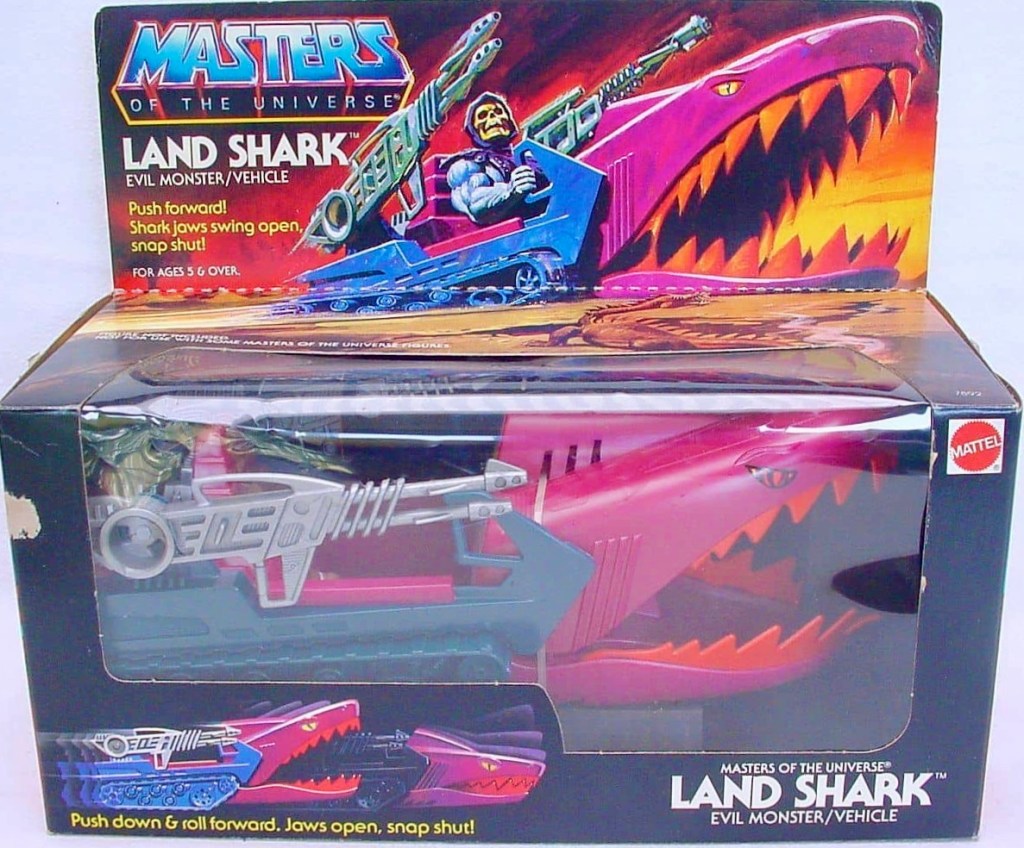
The Land Shark was a nifty looking vehicle with a shark’s mouth at the front and the figure sitting in the back. When you pushed the vehicle around, the jaws of the shark would chomp open and closed. The Land Shark also included twin cannons and an engine cover. There wasn’t a whole lot else to the Land Shark, but man this was awesome looking and a super fun vehicle.


Number 8

Panthor

Released in 1983

Since He-Man had Battle Cat, Skeletor needed a super cool “steed” as well, so Mattel gave us Panthor. This was a great looking large cat with a nice sculpt and bright purple color scheme, but what made it even cooler was the imitation flocked hair it was covered with. This gave Panthor a unique feature that Battle Cat didn’t have. Also included was a saddle for figures to sit in. The one down side to Panthor is that he had no moveable parts, but that could certainly be forgiven.


Number 7

Snake Mountain

Released in 1984

Skeletor and his crew finally get a place to hang-out with the introduction of Snake Mountain. This playset had a unique looking demon face on the side of a large purple mountain. It’s actually much cooler that it sounds. My favorite thing about Snake Mountain was the snake head microphone, which allowed your voice to be disguised as “frightening and evil” when you talked into it. This was a worthy bad guy playset to the good guy’s Castle Grayskull.


Number 6

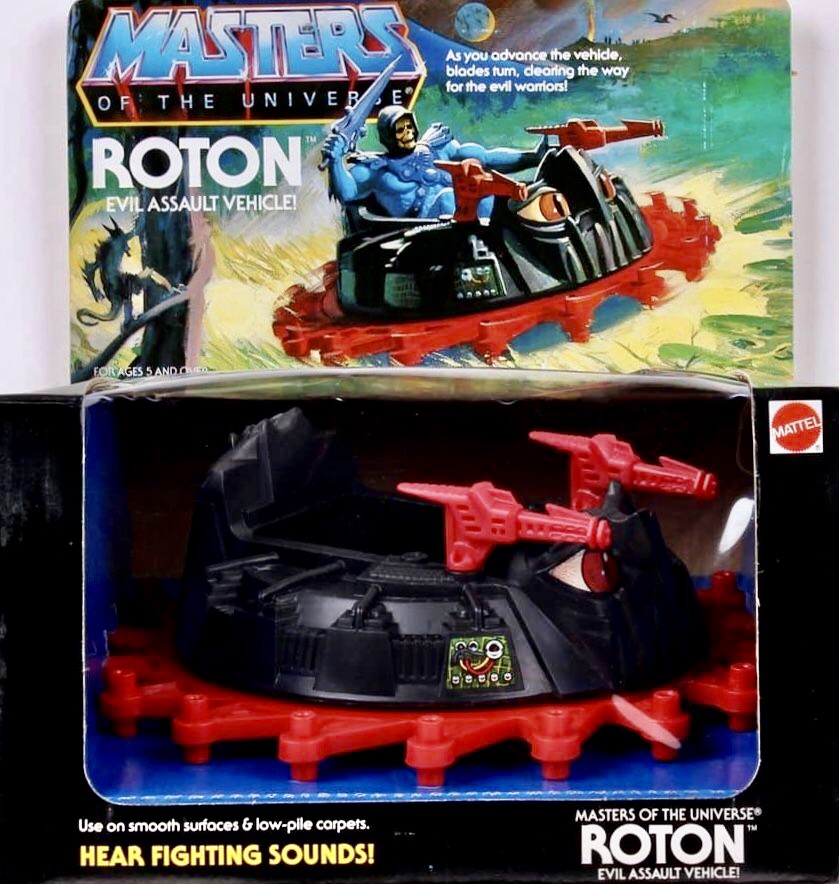
Roton

Released in 1984

Roton was a pretty interesting looking vehicle, especially with its two big red eyes on the front of it. It was the first vehicle made for Skeletor’s Evil Warriors, and it was about time! The Roton vehicle had a red saw blade all around it, which spins when the vehicle is pushed forward or backwards. I just love the insane design on this thing and the sinister looking color scheme.


Number 5

Fright Fighter

Released in 1986

The Fright Fighter was a compact vehicle that fit one figure inside. A trigger would activate the flapping wings, and the front pinchers could grab other figures. It also included a radar scanner and laser guns for battle. This was a very cool looking vehicle with a unique dragonfly-like concept, and who doesn’t love watching dragonfly’s!

Number 4
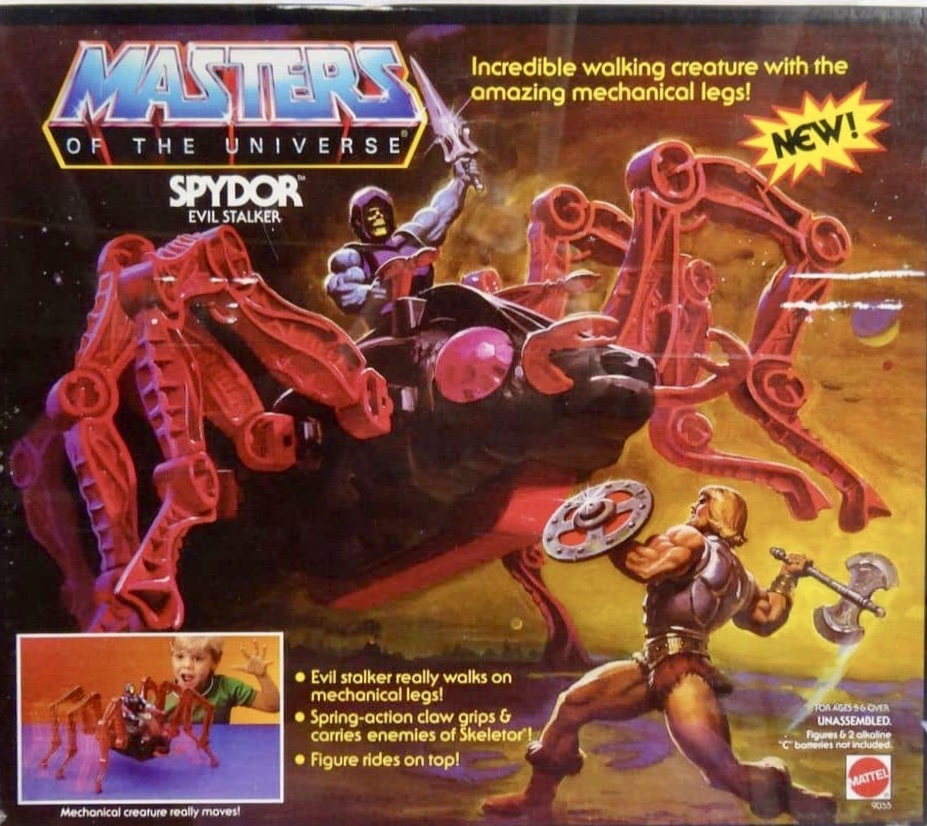
Spydor
Released in 1985

Spydor was exactly what it sounded like, a giant scary looking mechanical spider that shot laser cannons at you. When you turned it on, Spydor would actually walk around the floor with a figure sitting atop of it. This thing moved pretty well and was just menacing looking, and how about that box art!!!


Number 3

Slime Pit

Released in 1986

The Slime Pit was essentially a MOTU version of Nickelodeon’s Slime Time. The premise was fairly simple. A character gets trapped in the pit by a large dragon/dino claw and green slime was poured onto them from the dragon/dino head above. The slime would allow the character to be mind controlled to do Hordak’s evil bidding. This was a lot of fun back in the day and worked really well. Sure, it was pretty rough on the figures, but that’s what they were for, right!


Number 2

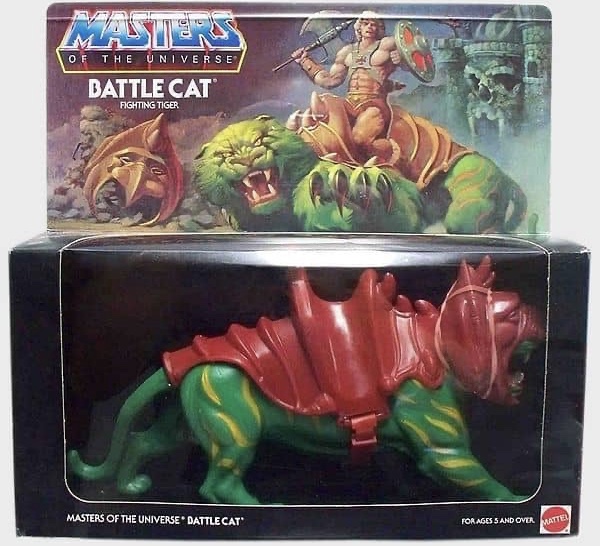
Battle Cat

Released in 1982

Prince Adam’s cowardly tiger, Cringer, could change into the mighty Battle Cat whenever trouble was looming. Battle Cat was He-Man’s trusted ally and friend against Eternia’s evil forces. This was a nicely sculpted figure and remains incredibly popular with collectors. This was a must have accessory back in the day to have a proper MOTU adventure.


Number 1

Castle Grayskull

Released in 1982

And now for the big NUMBER ONE Masters of the Universe Accessory from their 1982-1988 run….Castle Grayskull!!! Did you expect anything else? Aside from He-Man and Skeletor themselves, Castle Grayskull is arguably the most iconic item to come out of the Masters of the Universe line. The image of the legendary castle can be instantly recognized by anyone who grew up in that era and if action figure playsets had a Mount Rushmore, Castle Grayskull would certainly be on it. With its trap door, opening & closing drawbridge, throne, laser cannon and weapons armory, there was a lot to do in this playset, not to mention a most impressive front exterior shot of the skull with fangs. This was just freakin cool!!!!


HONORABLE MENTION


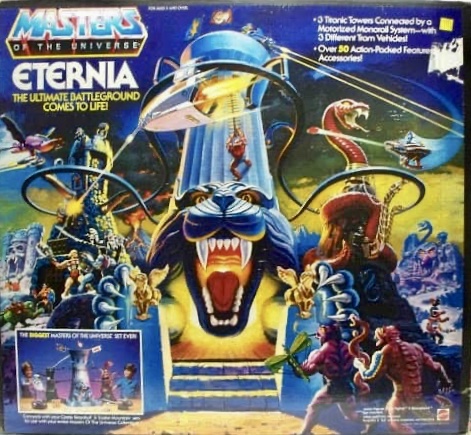
Eternia (1986): I know what you’re thinking…..how could this playset not make my top ten list!!! The reason is this was a late release for the MOTU line and wasn’t widely distributed at the time, so not many kids actually had it back in the day. Also, due to its high price and size, it was a tough sell back in 1986. Yes, I know it’s super cool. Yes, I know it’s freaking huge. Yes, I would do a lot of evil stuff to have one, but the fact is……I never knew anyone who actually owned one of these until later in life, so it doesn’t make my Top Ten list. That being said, I love the Eternia Playset and it remains on my ” Holy Grail” list!! This thing was big and was the largest and most expensive MOTU playset ever created. If you are lucky enough to own one of these, you have truly done something right in your life.

Here are a few more super fun MOTU accessories that just missed the cut:


Wind Raider (1982): Among the first wave of vehicles released in the MOTU line, the Wind Raider, had a working grappling hook and winch. This was a great design and lots of fun to play with as a kid!
Zoar: Fighting Falcon (1983): Zoar was one of He-Man’s allies that would assist him in battle. Zoar came with a red bomb pack, perch, a colorful paint scheme and wings that could flap up and down.
Point Dread and Talon Fighter (1983): The Point Dread and Talon Fighter was a bit of a vehicle and playset combo, but what makes it so cool was the actual Talon Fighter. It had a unique design and looked awesome perched atop the Castle Grayskull playset.
Road Ripper (1984): The Road Ripper was a self-propelled vehicle that took off when you pulled the ripcord through it. One thing that I discovered as a kid is the Road Ripper doesn’t work so well on carpet…..Just saying.

Top Ten – Worst GI Joe Codenames (1982-1994)

TOP TEN WORST GI JOE CODENAMES (1982-1994)

The Toy Collectors Guide continues our new monthly feature that highlights various toy lines with a emphasis on a top ten, because honestly, who doesn’t love a good top ten list!

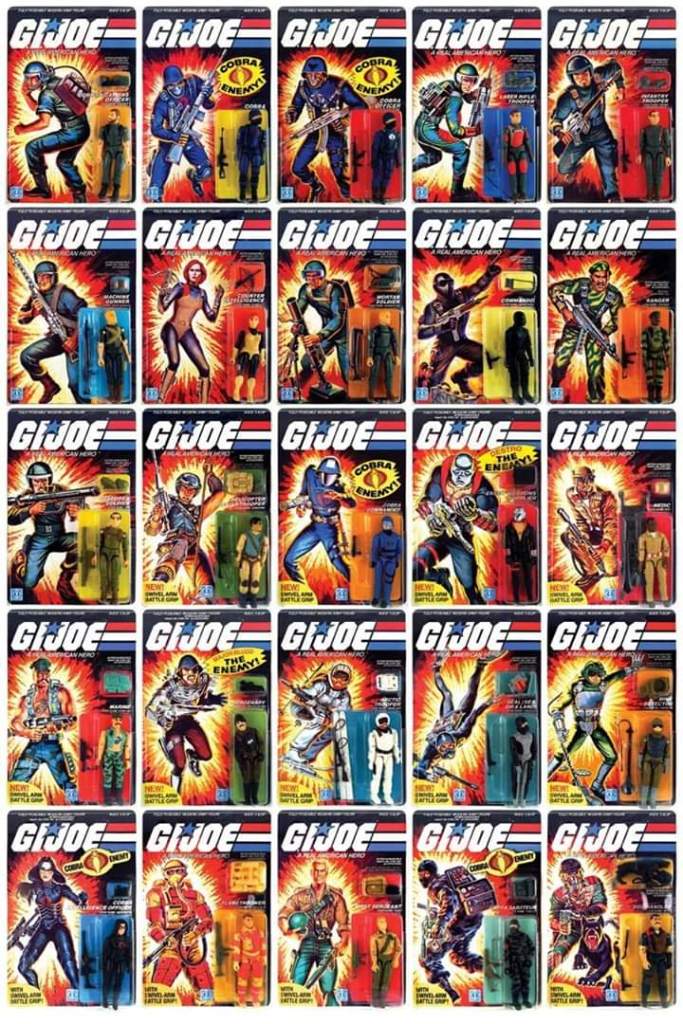
This month, we put the spotlight on the 1980’s GI Joe line with the TOP TEN WORST GI JOE CODENAMES (1982-1994). Hasbro created some pretty memorable and iconic codenames for their rebooted Joe’s (Snake Eyes, Storm Shadow, Duke, Scarlett, Roadblock), but they also created some……not so awesome codenames. This list puts the spotlight on those less than specular names that left fans and collectors kind of scratching their heads. It’s worth noting that part of the GI Joe charm was their diverse and quirky code names, but these guys are just unforgivable.

Top Ten lists are usually subjective by the author, and that is absolutely the case here as well. These lists are meant to inspire conversation and debate, so please feel free to leave a comment with who would make your list. Without further ado, here is October’s Top Ten list. We hope you enjoy and have some fun with it.

Top Ten Worst GI Joe Codenames (1982-1994)

Number 10

Skidmark

Skidmark
Released in 1988 exclusively with the Desert Fox Jeep

This poor guy was named after underwear stains and there’s just no coming back from that. I know that “Skidmark” may initially sound like a cool name for a Jeep driver, but I just wonder if the Hasbro creative team even thought about the ramifications of a Joe named Skidmark.


Number 9

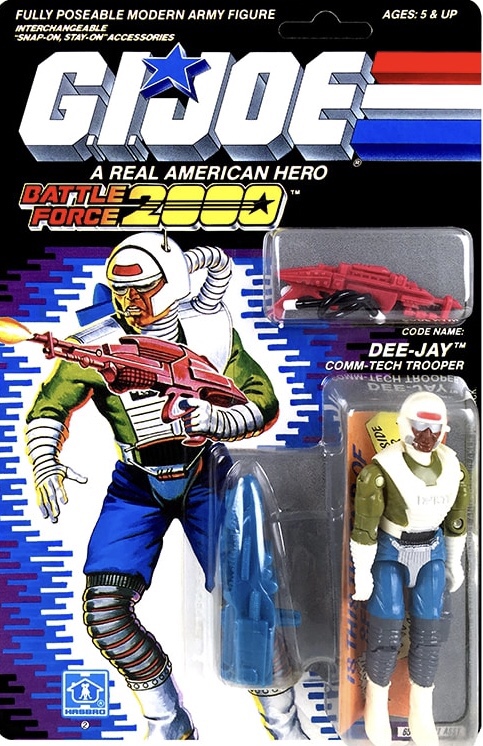
Dee-Jay

Dee-Jay
Released in 1989 as part of the “Battle Force 2000” line

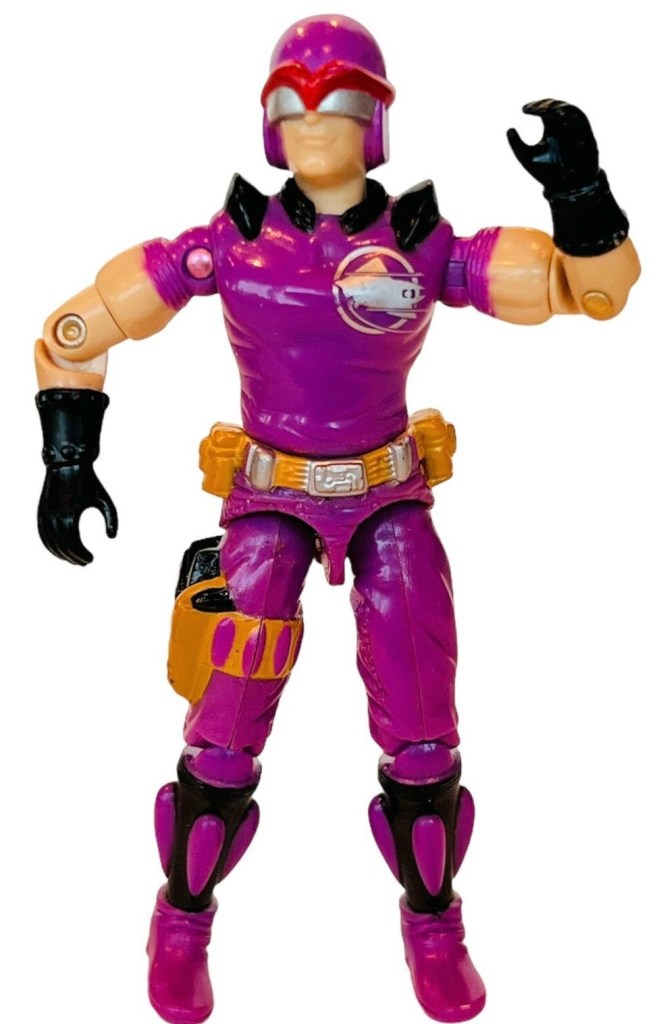
Dee-Jay debuted in 1989 as part of the “Battle Force 2000” line. At first glance, the word that comes to mind is……What? His outfit was a complete mess of different colors with no real theme. He’s a radio/telephone operator from Rhode Island, who was the “hottest DJ in Boston” before enlisting with the Joe’s. If that doesn’t get you excited for this guy, I don’t know what will.


Number 8

Effects

Effects
Released in 1994 as part of the Star Brigade Sub-Set

This was just pure laziness on the part of Hasbro. I mean, they named this guy “Effects”. I get that he specializes in ordinance with a talent for using “masterful special effects” to confuse the enemy (I’m sure that isn’t even that hard with Cobra), but how about just FX? Or Holo Blitz? Effects just sounds lazy, not to mention lame.


Number 7

Sea Slug

Sea Slug
Released in 1987 exclusively with the Cobra Sea Ray

Ok, so follow me here…..Cobra EEL’s or Frogmen are the elite Navy fighters for Cobra, kind of like our Navy Seal Teams. The best of these guys are selected to go on to an elite submersible unit that includes piloting the super cool looking Cobra Sea Ray. The name of this elite Cobra fighting team consisting of the best the Cobra Navy has to offer is……. SEA SLUG……… Nuff’ Said.


Number 6

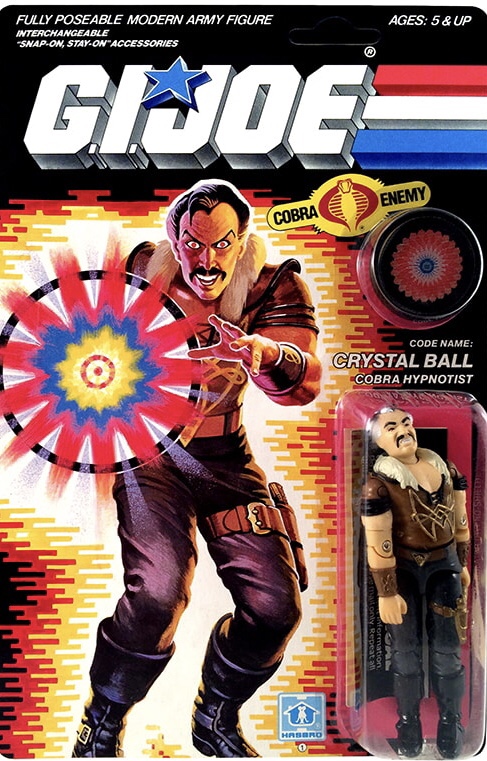
Crystal Ball

Crystal Ball
Released in 1987

Crystal Ball hit the store shelves in 1987 and I distinctly remember still seeing this guy still in stores in the early 90’s. He was a Cobra Hypnotist with a Romanian father and American mother from Maine. Why Maine you ask? Because he was actually created by Stephen King, who apparently was a big GI Joe fan back in the day. This guy just looks ridiculous.


Number 5

Robo-JOE

Robo-JOE
Released in 1993 as part of the Star Brigade Sub-Set

Robo-J.O.E. was released in 1993 with the Star Brigade series. According to his file card, his personal quote is “I am stronger. I am faster. I am Robo-J.O.E.”…..Chills, right? The Joe team went all six Million Dollar Man on this guy when he was killed by Destro in his secret space lab. I understand what Hasbro was doing here, but the name is awful. I could think of a dozen better Cyborg names than Robo-JOE.


Number 4

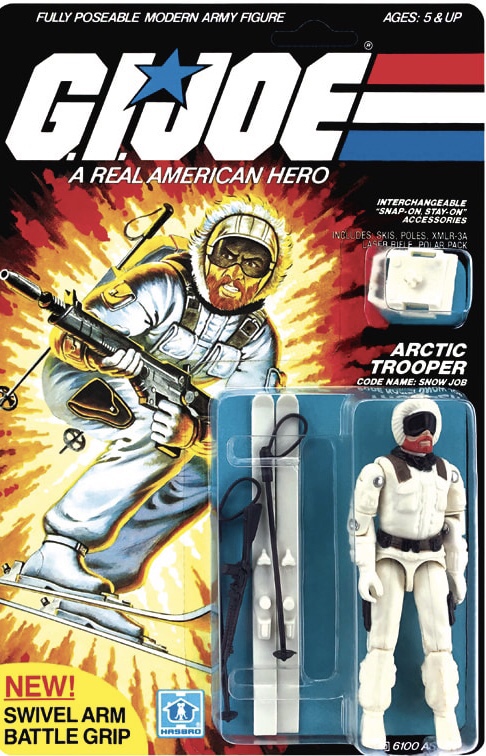
Snow Job

Snow Job
Released in 1983

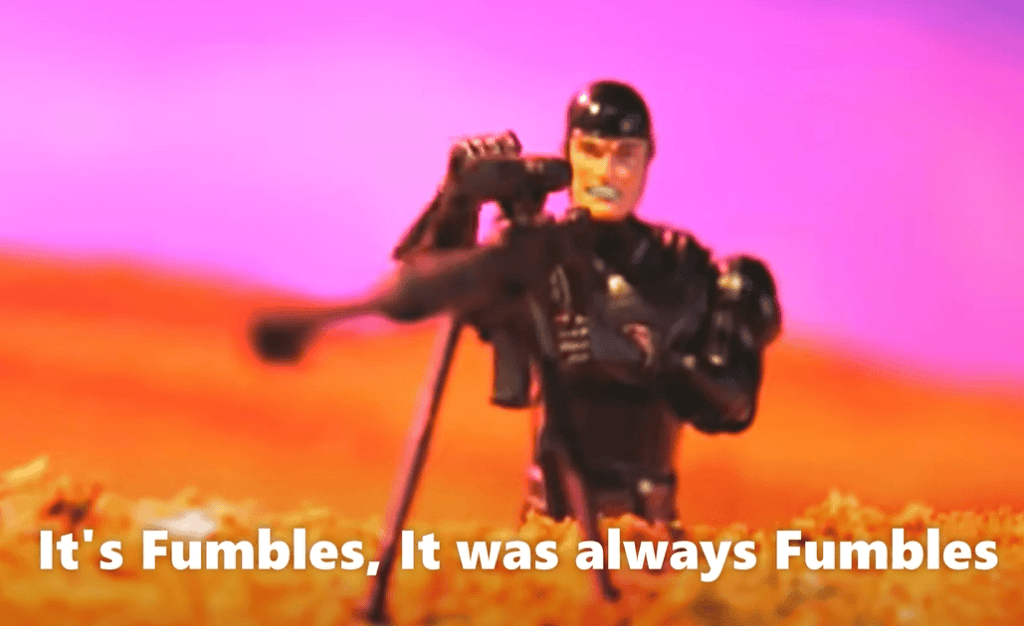
Snow Job was released in 1983, when the codenames were still pretty cool sounding, so I just don’t really know what happened with this guy. I can completely imagine a bunch of Hasbro creative team guys sitting at a table just snickering about this one. I mean, come on Hasbro…..Seriously. This is way too close to the popular and widely used nickname of a certain sexual act. Whenever I see snow Job, I always think back to that Robot Chicken skit with Fumbles the Joe sniper.


Number 3

Scoop

Scoop
Released in 1989

Scoop…..this guy is named Scoop. Do you want to know what he does for the Joe team? He’s a Journalist who comes with a microphone, satellite relay station backpack, and a hi-tech camera. It’s common knowledge that none of those things I listed above make for good weapons on a battlefield. Again, I get what Hasbro was doing here, but Scoop?


Number 2

Capt. Grid-Iron

Capt. Grid-Iron
Released in 1990

This one kind of hurts me, because I’m a huge Football fan, but if you’re going to to make a Football themed GI Joe character, does his name have to be Captain Grid-Iron? I mean, we already had the Fridge action figure, so why another one? Besides, this guy is mentally damaged if he’s still holding on to his glory years as quarterback of the West Point football team. Now he tosses football grenades, but what does he do when he runs out of them? It just doesn’t sound very practical.


Number 1

Ice Cream Soldier

Ice Cream Soldier
Released in 1994

And now for the big NUMBER ONE worst GI Joe Codename from their 1982-1994 run….ICE CREAM SOLDIER!!! It’s very appropriate this figure was released during the final wave of GI Joe figures from this era, because it definitely signaled the end of the line. I mean, come on…Ice Cream Soldier! How ridiculous! He’s wearing bright ketchup and mustard colors, and he’s named Ice Cream Soldier. It just doesn’t make any sense. His file card quote is “Eating ice cream without hot fudge is like fighting without ammunition!”. Wow……just wow!


HONORABLE MENTION

There are literally dozens more I could have put on this list, here are a few that just missed the cut:


Ferret (1988): Packaged with the Iron Grenadiers DEMON. I don’t know about you guys, but a Ferret just doesn’t scare me. In fact, Ferret’s are nice cuddlers, so this guy would be popular on cold nights.
Mercer (1987): Released with Sgt. Slaughter’s Renegades three-pack with Red Dog & Taurus. He’s a Mercenary……and his name is Mercer. I don’t even think Hasbro was trying the day this guy was named.
Night Creeper (1990): Initially released in 1990. He just sounds……..creepy, not to mention very illegal. I can just picture this guy hovering around windows at night, just trying to get a quick peek.
Bazooka (1985): Initially released in 1985. It’s a bit on the nose for a character that uses a Bazooka to actually be called….Bazooka. I’m just saying.
Headman: Drug Kingpin (1992): He was leader of the Headhunters in the DEF series. if you don’t remember the DEF series, don’t worry, nobody does. Who doesn’t want a drug lord action figure!

Top Ten – Star Wars Expanded Universe Figures

TOP TEN STAR WARS EXPANDED UNIVERSE FIGURES

The Toy Collectors Guide continues our new monthly feature that highlights various toy lines with a emphasis on a top ten, because honestly, who doesn’t love a good top ten list!

This month, we put the spotlight on the old Star Wars Expanded Universe (now called “Legends”) with the TOP TEN STAR WARS EXPANDED UNIVERSE FIGURES. This list celebrates the iconic characters from the now defunct world of the EU, that have been made into action figures by Hasbro. This includes only characters who appeared in the novels, comics, video games and other media outside the main movies and TV shows.

Top Ten lists are usually subjective by the author, and that is absolutely the case here as well. These lists are meant to inspire conversation and debate, so please feel free to leave a comment with who would make your list. Without further ado, here is September’s Top Ten list. We hope you enjoy and have some fun with it.

Top Ten Star Wars Expanded Universe Figures

Number 1

Mara Jade (Skywalker)

Mara Jade (Skywalker)
(Expanded Universe Series – Released 1996)
(Black Series 3.75″ – Released 2013)
(Comic Pack Series – Released 2007)

Mara Jade is a significant character in the Star Wars Expanded Universe, and is a complex character with a compelling story that spans several novels and media. Mara Jade was the Emperor’s Hand, until his death in “Return of the Jedi.” Mara Jade’s life takes a dramatic turn when she meets Luke Skywalker in The Heir To The Empire novel (Released in 1991). Mara Jade’s character appears in numerous novels, comics, and other media set in the Expanded Universe.


Number 2

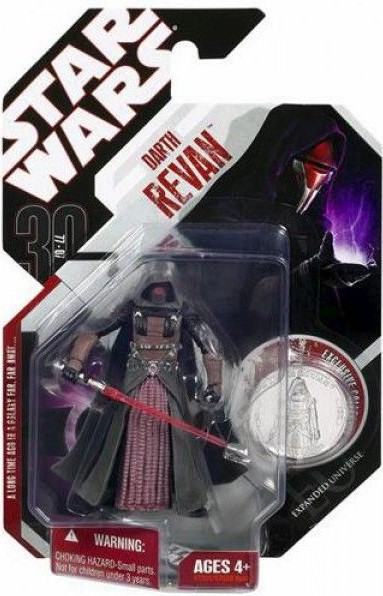
Darth Revan

Darth Revan
(Thirtieth Anniversary Collection Series – Released 2007)
(Black Series 6″ – Released 2017)
(Black Series 6″ – Jedi Knight Released 2020)

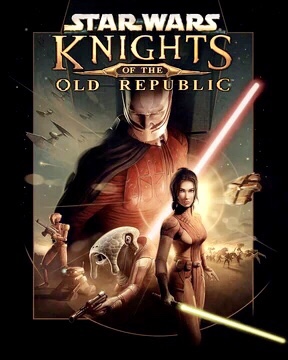
Darth Revan is a memorable character in the Star Wars Expanded Universe, specifically in the “Knights of the Old Republic” video game series. He is a complex figure known for his pivotal role in the events of the Old Republic era. Darth Revan first appeared in the video game “Star Wars: Knights of the Old Republic” (2003), but his story continued in the sequel, “Star Wars: Knights of the Old Republic II – The Sith Lords,” as well as in novels, comics, and other Expanded Universe media.


Number 3

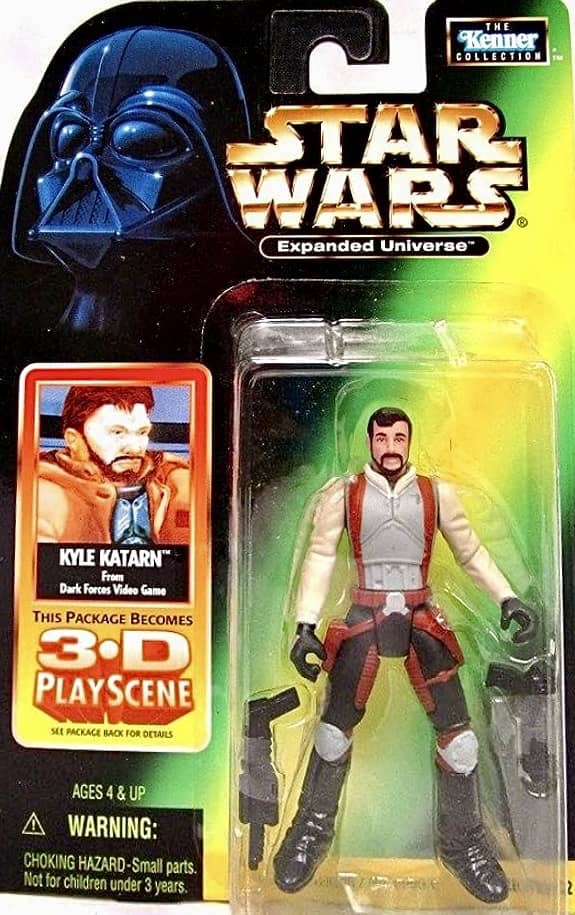
Kyle Katarn

Kyle Katarn
(Expanded Universe Series – Released 1996)
(Comic Pack Series – Released 2009)

Kyle Katarn is a former Imperial stormtrooper, mercenary, Rebel agent, and ultimately a Jedi Knight. He is known for his strong sense of justice, his piloting and combat skills, and his journey from a non-Force-sensitive individual to a skilled Jedi. Kyle Katarn’s character appears in several “Jedi Knight” video games, including “Star Wars Jedi Knight: Mysteries of the Sith” and “Star Wars Jedi Knight II: Jedi Outcast.”


Number 4

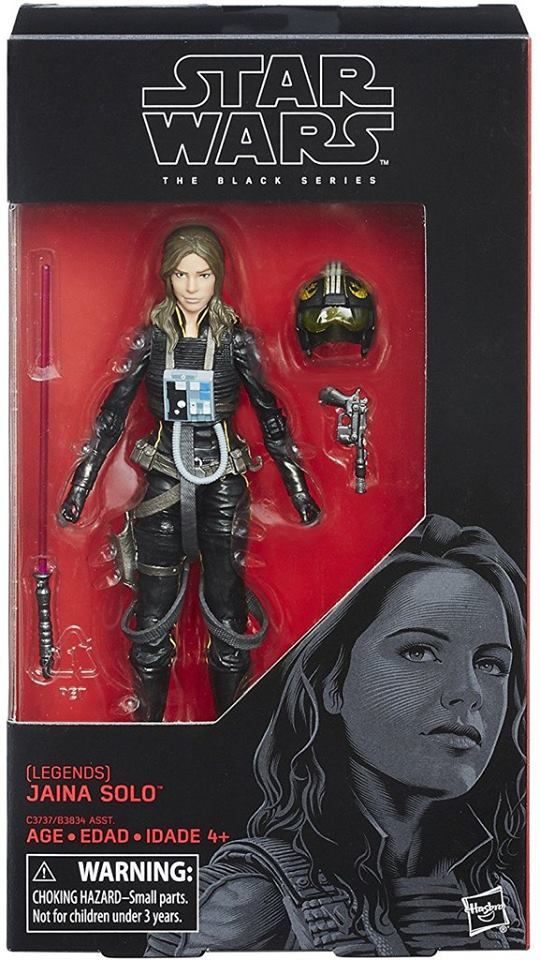
Jaina Solo

Jaina Solo
(The Legacy Collection – Released 2010)
(Black Series 6″ – Released 2017)

Jaina Solo is the daughter of Han Solo and Leia Organa Solo, making her part of the iconic Solo family. She has a twin brother named Jacen Solo (who later becomes Darth Caedus) and a younger brother named Anakin Solo. Jaina undergoes significant development as she becomes a prominent Jedi Knight and central figure in the events of the Expanded Universe.


Number 5

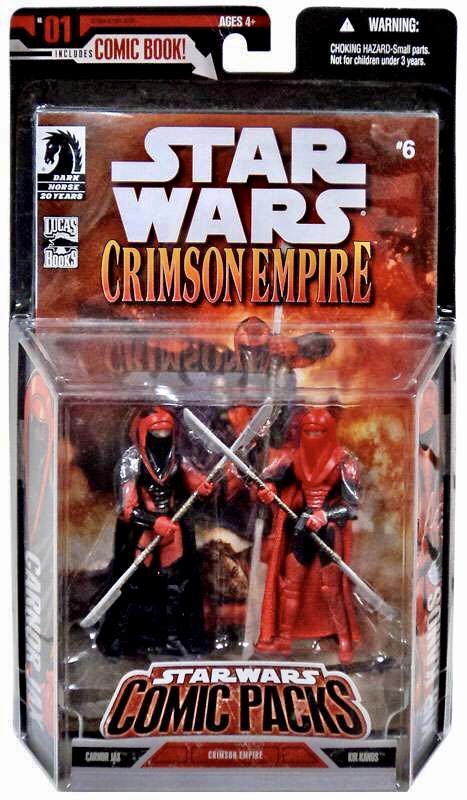
Kir Kanos

Kir Kanos
(Comic Pack Series – Released 2007)
(Black Series 6″ – Released 2021)

Kir Kanos was a member of the elite Imperial Royal Guard, the crimson-clad soldiers who served as personal bodyguards to Emperor Palpatine. He holds a deep loyalty to the Empire and its ideals, and becomes determined to avenge the Emperor’s death. Kir Kanos’s story is primarily told in the “Crimson Empire” comic series.


Number 6

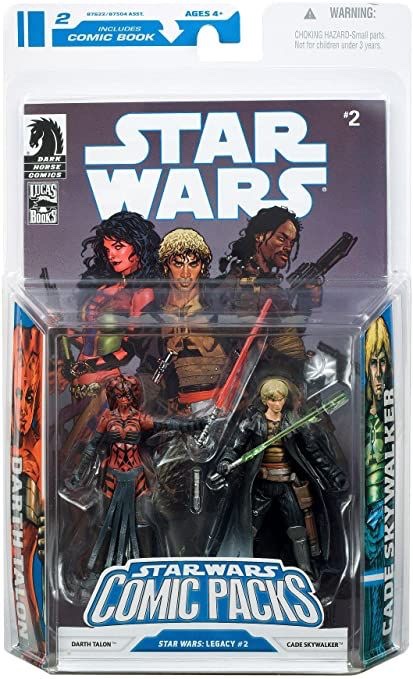
Darth Talon

Darth Talon
(The Legacy Collection Comic Pack – Released 2008)

Darth Talon is a Sith and a primary antagonist from the “Star Wars: Legacy” comic book series, which is set far after the events of the Original Star Wars Trilogy. Darth Talon is a Twi’lek Sith, who serves under Darth Krayt in the “Star Wars: Legacy” series. Darth Talon is assigned to hunt down and eliminate Cade Skywalker, a descendant of Luke Skywalker, who has turned his back on the Jedi way.


Number 7

Bastila Shan

Bastila Shan
(The Vintage Collection – Released 2011)
(Black Series 3.75″ – Released 2014)

Bastila Shan is a character from the Star Wars universe, specifically from the “Knights of the Old Republic” series of video games. Bastila Shan is a Jedi Knight known for her exceptional skills in battle and her strong command of the Force. She is one of the key characters in the story, and her fate is closely tied to the player character’s journey.


Number 8

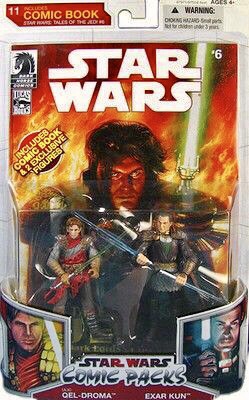
Exar Kun

Exar Kun
(The Legacy Collection Comic Pack – Released 2009)

Exar Kun is a fallen Jedi who becomes a powerful and malevolent Sith Lord. He is prominently featured in various comics, novels, and other Expanded Universe media, most notably in the “Tales of the Jedi” comic series. Exar Kun’s story made him a notable figure in the Star Wars Expanded Universe.


Number 9

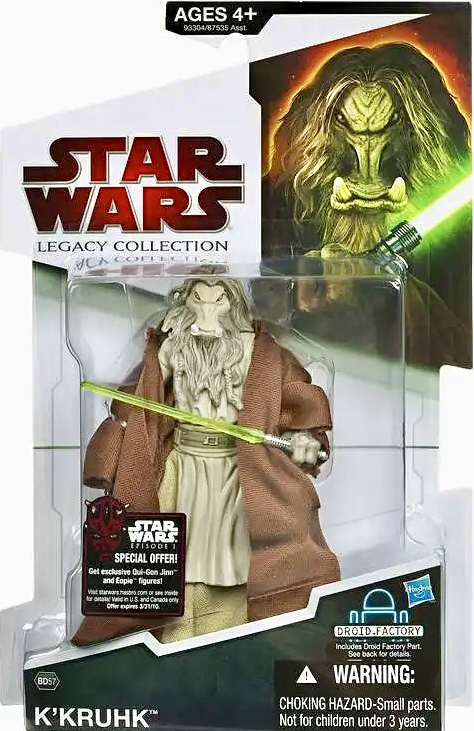
K’Kruhk

K’Kruhk
(The Legacy Collection – Released 2010)

K’Kruhk was first introduced in the comic series “Star Wars: Republic,” where he played a prominent role during the Clone Wars. He survived Order 66, which led to the downfall of the Jedi Order and the near-extinction of the Jedi. K’Kruhk’s journey after the Clone Wars is chronicled in various Legends stories, such as the “Star Wars: Legacy” comic series.


Number 10

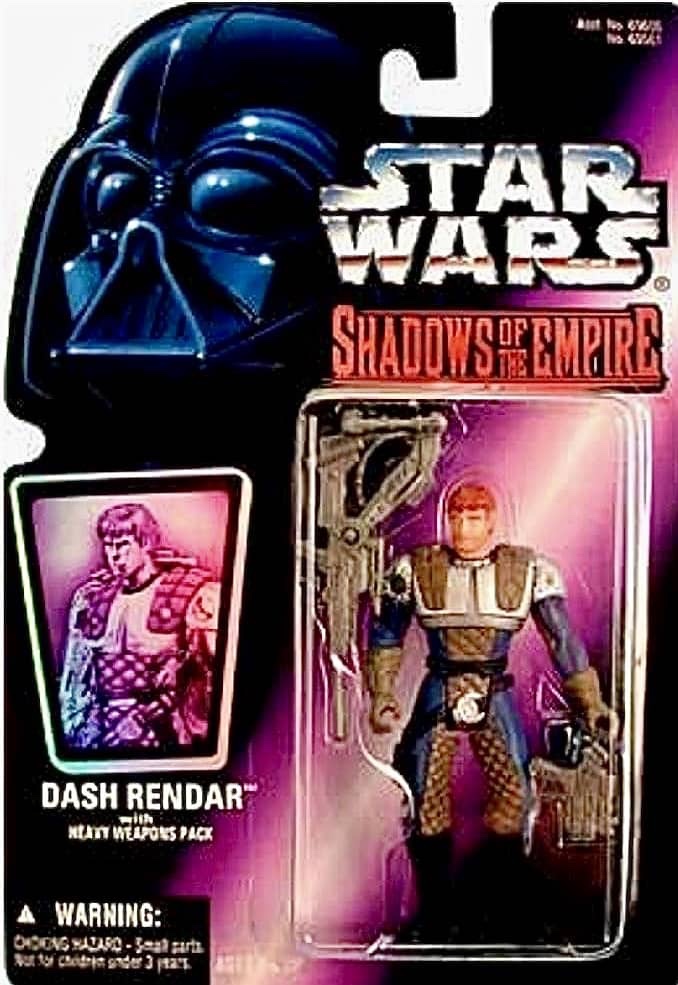
Dash Rendar

Dash Rendar
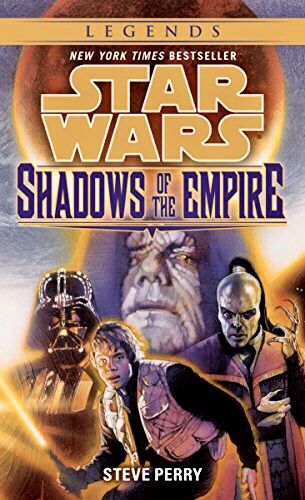
(Shadows of the Empire – Released 1996)

Dash Rendar is the protagonist of the “Shadows of the Empire” multimedia project (Steve Perry’s novel and video game), bridging the gap between “Empire Strikes Back” and “Return of the Jedi.” He plays a significant role in helping the Rebel Alliance when Han Solo is frozen in carbonite and taken to Jabba the Hutt. Dash is known for his piloting skills with the modified Corellian YT-2400 light freighter, the Outrider.


HONORABLE MENTION

The Thirtieth Anniversary Collection’s series of The Force Unleashed Video Game figures:
Juno Eclipse, Rahm Kota, Maris Brood, Shadow Guard, Imperial Jumptrooper, Imperial EVO Trooper
and Battle Damaged Darth Vader. I loved these figures, but just ran out of room. Maybe next time!

Top Ten – Most Valuable Teenage Mutant Ninja Turtle Figures

Ten Most Valuable Teenage Mutant Ninja Turtle Figures by Playmates

The Toy Collectors Guide brings you a new monthly feature that highlights various toy lines each month with a emphasis on a top ten, because honestly, who doesn’t love a good top ten list!

For our inaugural list, we put the spotlight on the Teenage Mutant Ninja Turtles with the TOP TEN MOST VALUABLE TEENAGE MUTANT NINJA TURTLE FIGURES produced by Playmates Toys from their original line of 1988 – 1997. Top Ten lists are usually subjective by the author, but in this case, we use the most current sales data on the secondary market to compile our values. So this list is truly based on our top ten most valuable TMNT figures on the Toy Collectors Guide at this moment. Remember, we use each item’s actual selling price and not listing prices, because an item is worth what it actually sells for and not neccesarily what it’s listed at.

So, without further ado, here is this month’s Top Ten list for June. We hope you enjoy the list and have some fun with it.

Top Ten Most Valuable Teenage Mutant Ninja Turtle Figures

Number 1

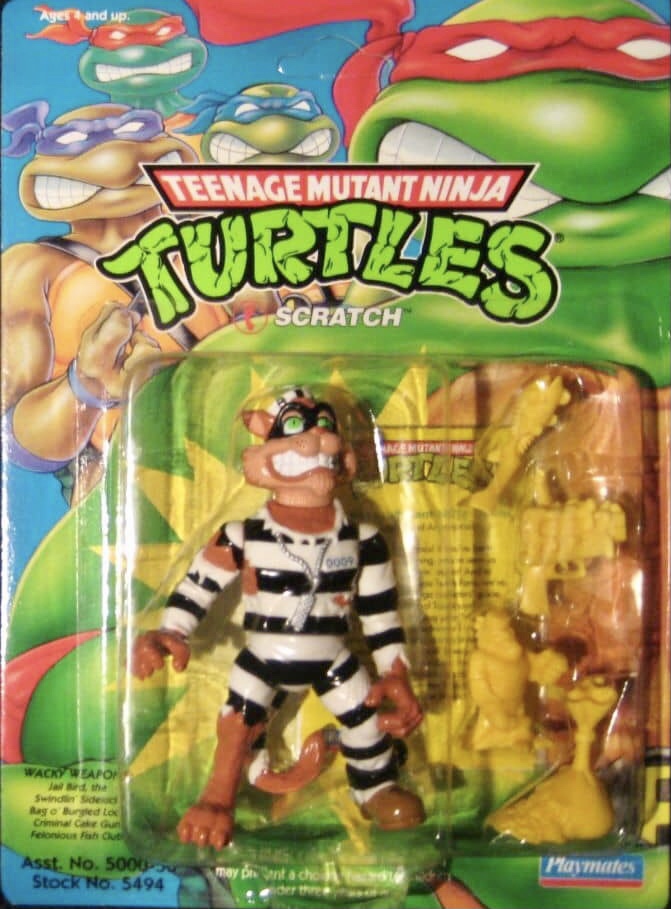
SCRATCH

Scratch (Released 1993)
Market Value:
Carded: $4,000 – $6,000
Loose: $1,200 – $2,000

Scratch is without a doubt, the most valuable TMNT figure made by Playmates. This was mostly due to a limited production at the time because of the character’s minor role. Scratch, along with his sidekick Jail Bird, come dressed in a prison outfit, so you know these are definitely not the good guys.


Number 2

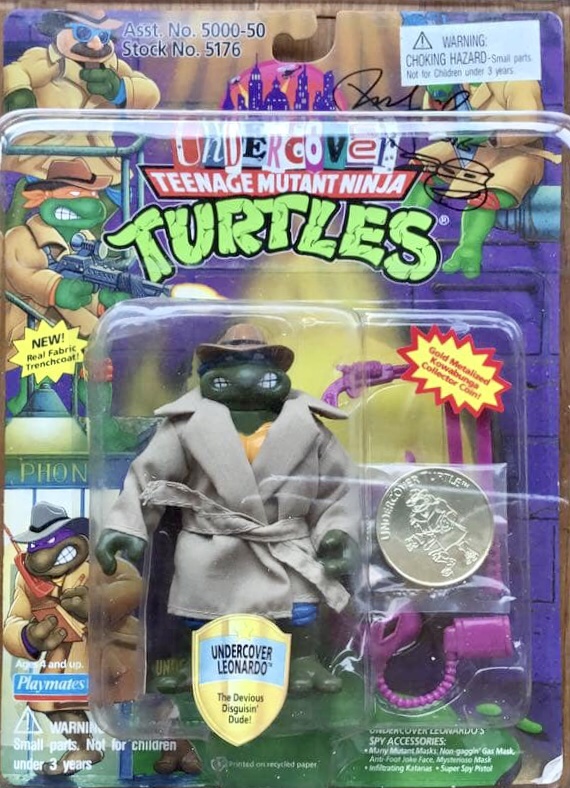
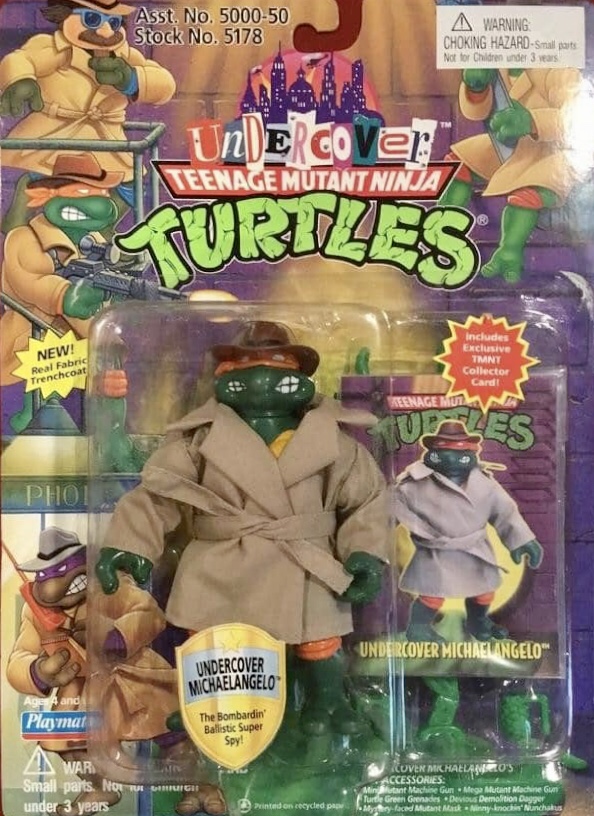
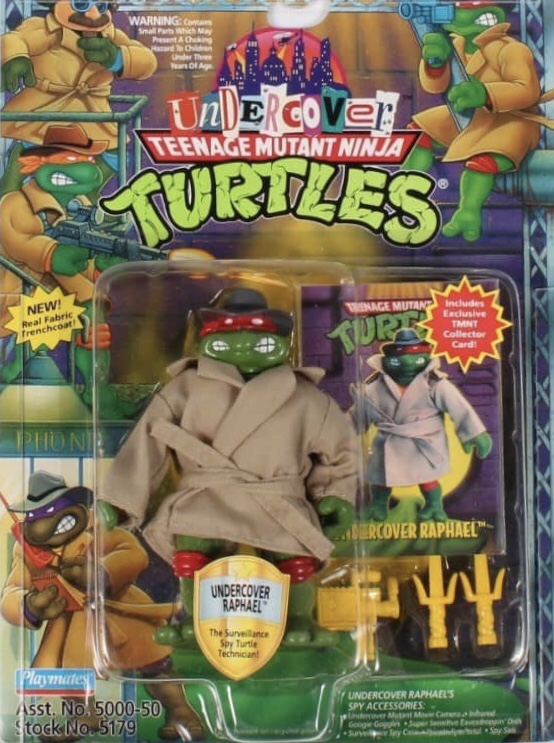
UNDERCOVER TURTLES

Undercover Don

Undercover Leo

Undercover Mike

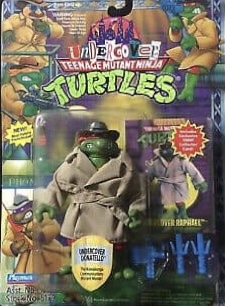
Undercover Raphael

Undercover Turtles (Released 1994)
Market Value:
Carded: $2,000 – $3,000 (each)
Loose: $600 – $900 (each)

In 1990, Playmates released a “Don, the undercover turtle” figure with a plastic molded coat. Now all four turtles are going undercover for the Undercover Turtle series from 1994. These guys are super rare, and not a lot of them were produced back in the day. They all came with cloth coats and accessories unique to each character.


Number 3

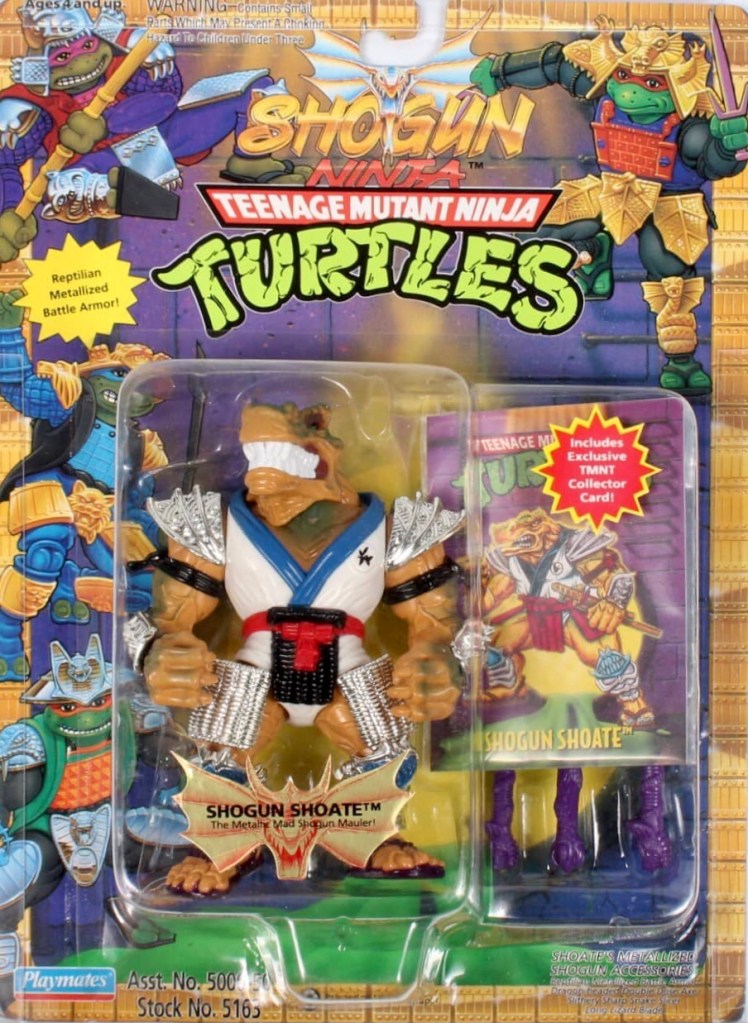
SHOGUN SHOATE

Shogun Shoate (Released 1994)
Market Value:
Carded: $1,200 – $1,700
Loose: $350 – $450

Shogun Shoate is the “Metallic Mad Shogun Mauler” and loves to battle the turtles any chance he gets. He comes with Metallized Battle Armor, Dragon-headed Double Axe, Snake Slicer, & Lizard Blade.


Number 4

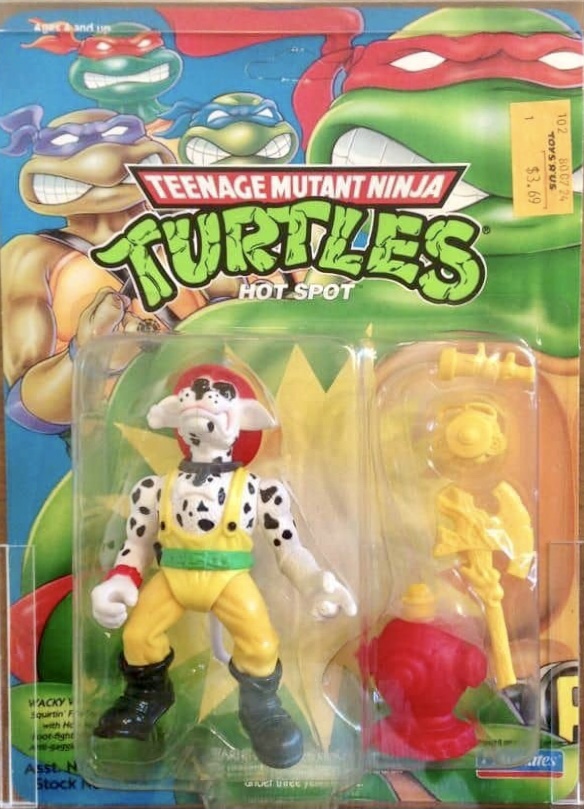
HOT SPOT

Hot Spot (Released 1993)
Market Value:
Carded: $1,100 – $1,600
Loose: $350 – $450

This one-time man’s best friend has now turned into a a fire fighting Dalmatian who also loves to battle bad guys, thanks to being exposed to ooze. He comes with Squirtin’ Fire Hydrant w/ Hose, Fire Axe, & Gas Mask.


Number 5

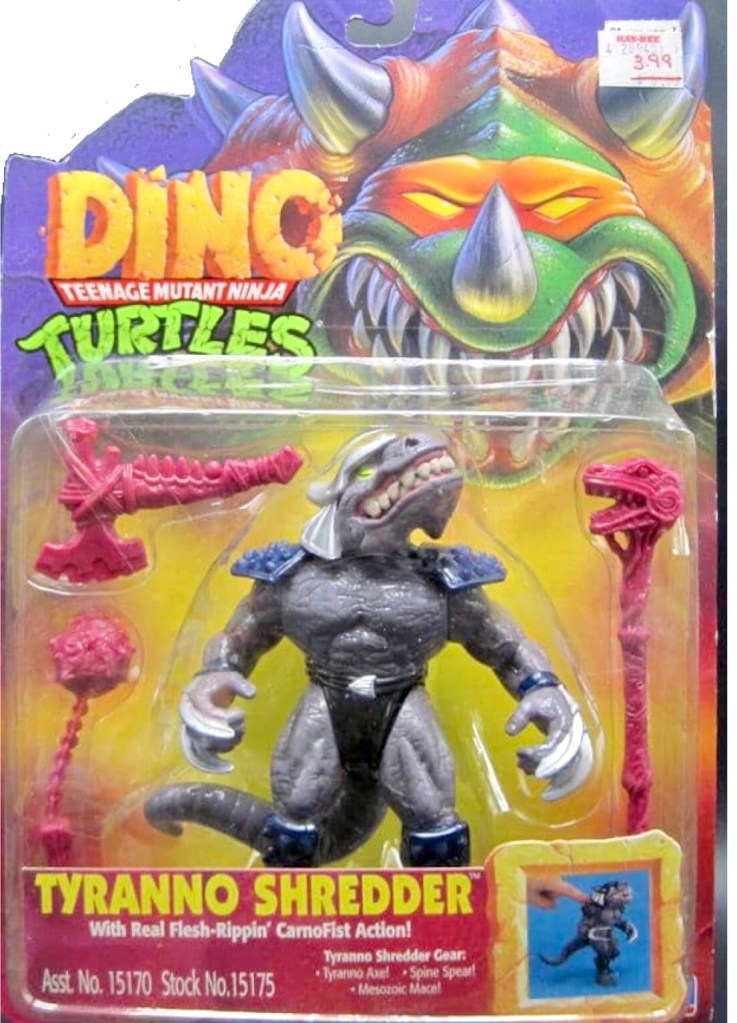
TYRANNO SHREDDER

Tyranno Shredder (Released 1997)
Market Value:
Carded: $1,000 – $1,400
Loose: $400 – $600

Shredder goes prehistoric with this new Dino Figure version. Watch Tyranno Shredder’s Carnofist Action when you activate the lever on his back. He comes with his Mesozoic Mace, Tyranno Axe, & Spine Spear.


Number 6

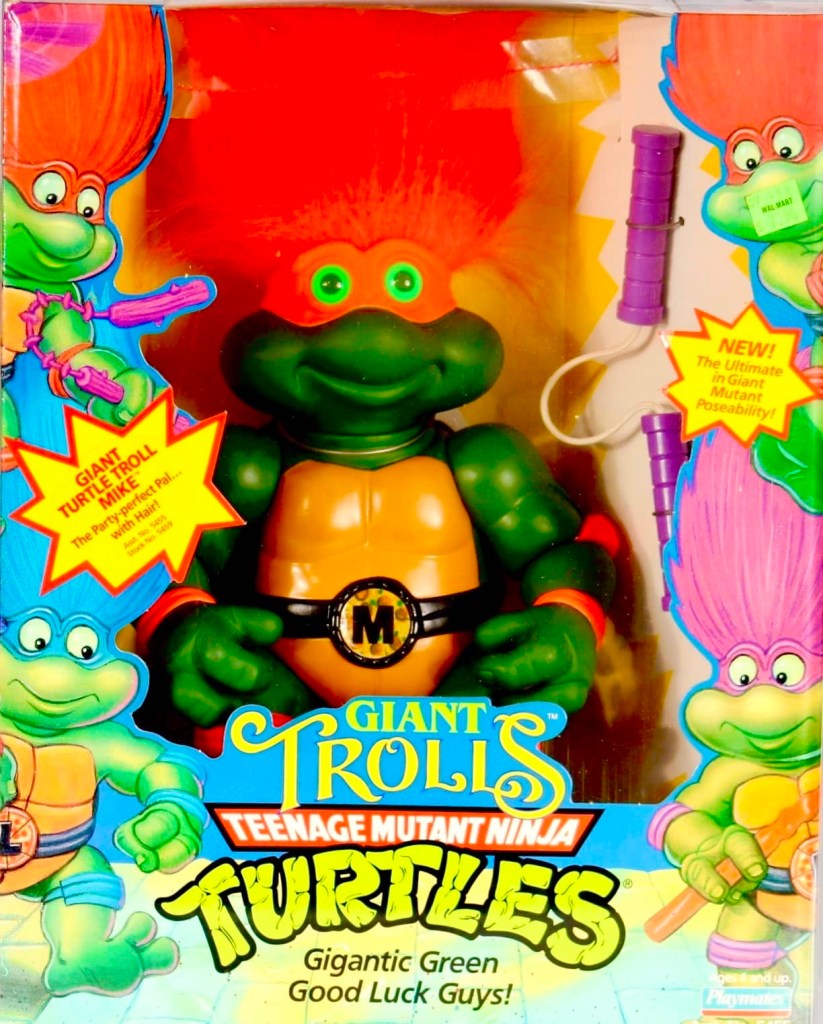
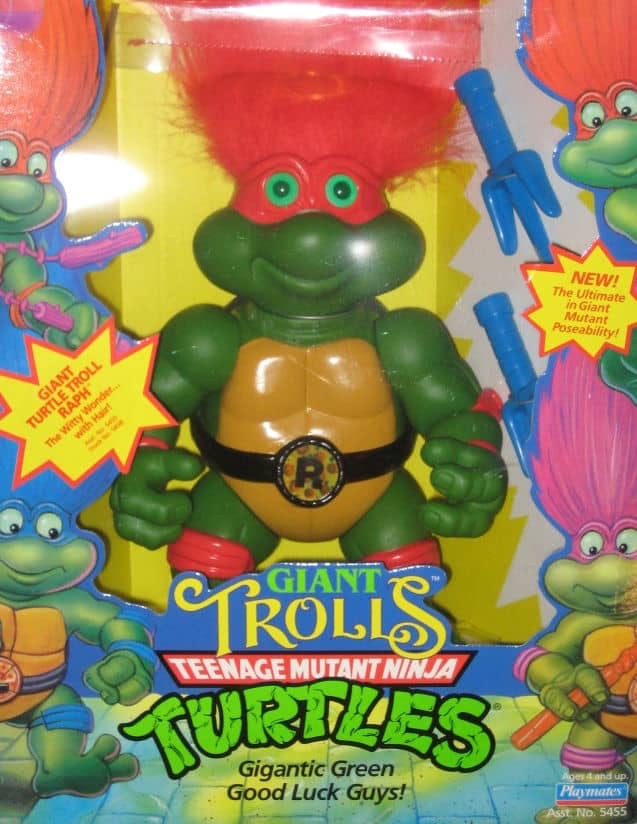
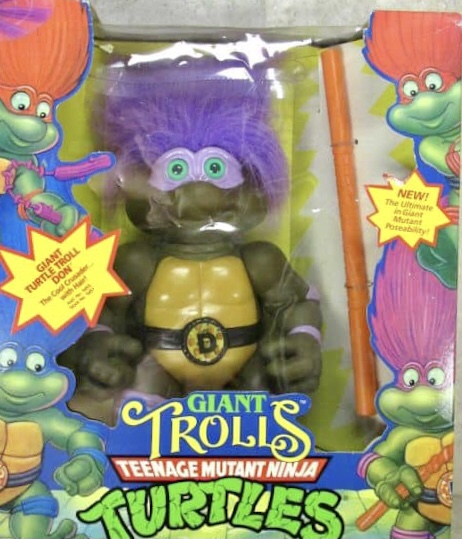
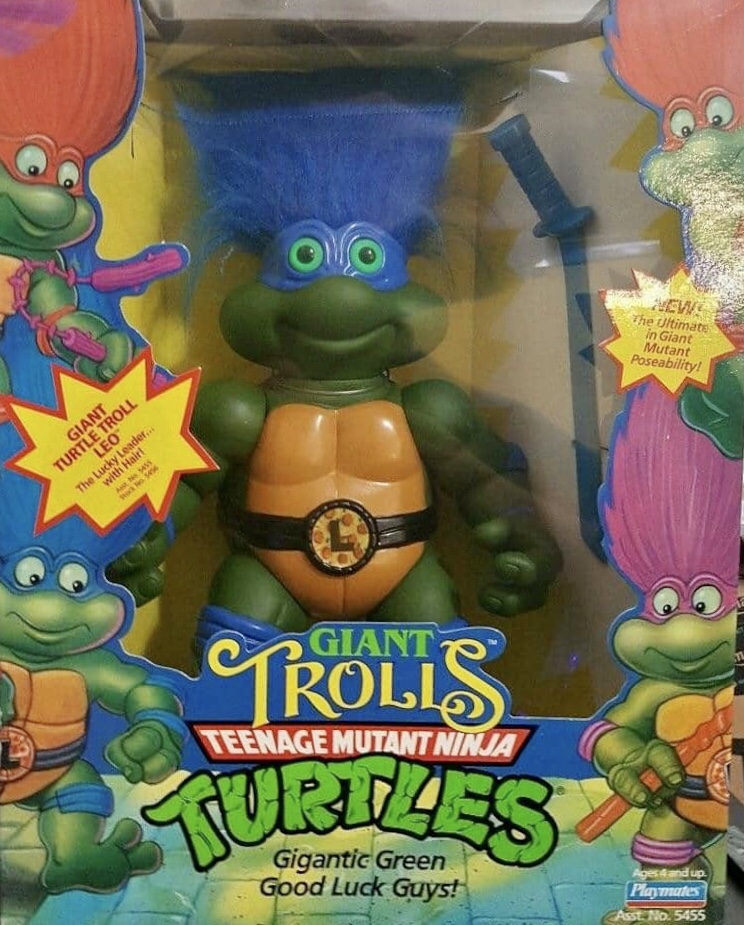
GIANT TURTLE TROLLS

Turtle Troll Don

Turtle Troll Leo

Turtle Troll Mike

Turtle Troll Raph

Giant Turtle Trolls (Released 1994)
Market Value:
Carded: $1,000 – $1,400
Loose: $400 – $500

Since the Troll Turtles series was so popular the year before, Playmates released them in GIANT form for the 1994 wave. This series is extremely hard to find on the secondary market. Each figure comes with their unique weapon of choice.


Number 7

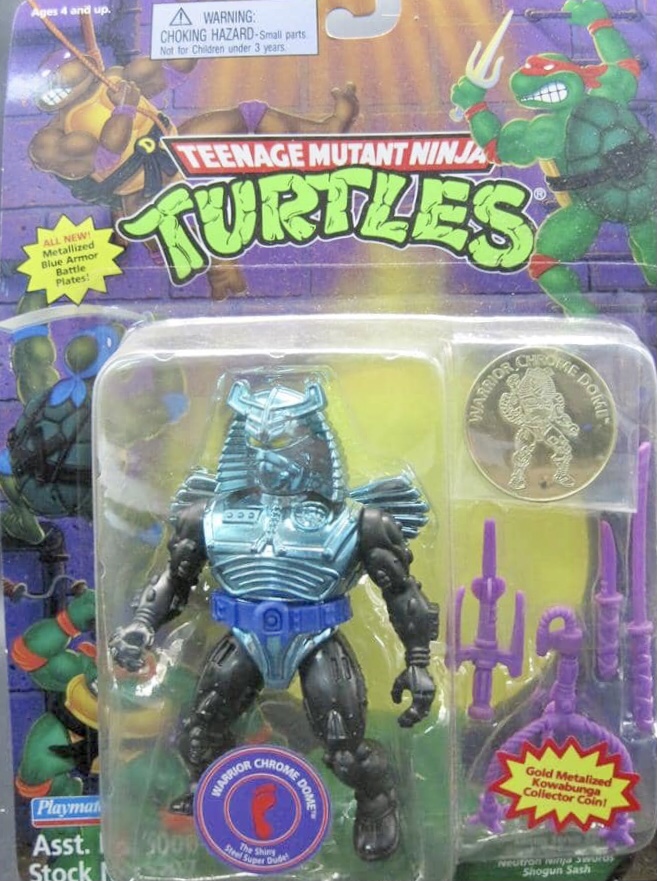
WARRIOR CHROME DOME

Warrior Chrome Dome (Released 1995)
Market Value:
Carded: $1,000 – $1,300
Loose: $325 – $425

Chrome Dome gets his very own Warriors action figure with this new metallic version. He comes with Silicon Servo Sai, Gigabyte Goupilon, Ninja Sword, Shogun Sash, & Metallized Collector’s Coin.


Number 8

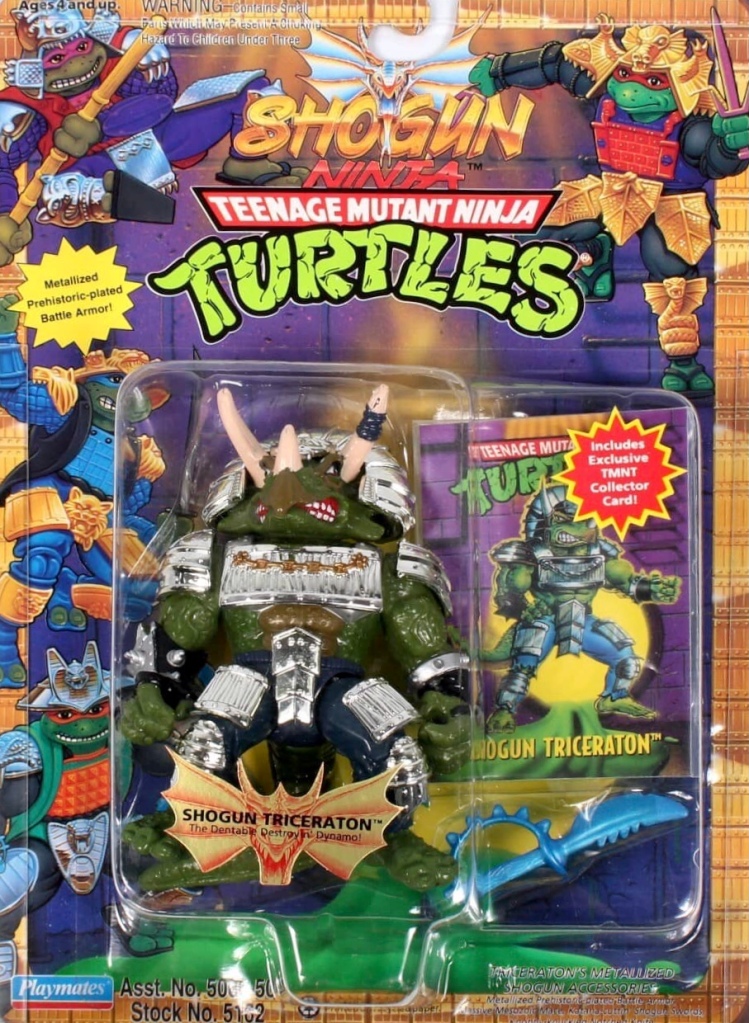
SHOGUN TRICERATON

Shogun Triceraton (Released 1994)
Market Value:
Carded: $900 – $1,200
Loose: $250 – $350

Shogun Triceraton is the “Dentable Destroyin’ Dino Dynamo”. He comes with a Mesozoic Mace, Katana-Cuttin’ Shogun Swords, Knobby-Knuckled Notched Knife & Metallized Battle Armor.


Number 9

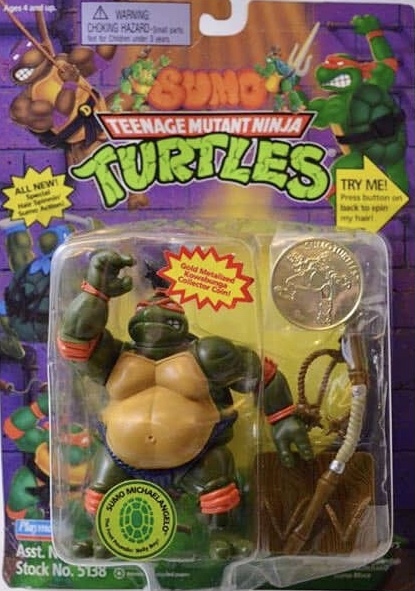
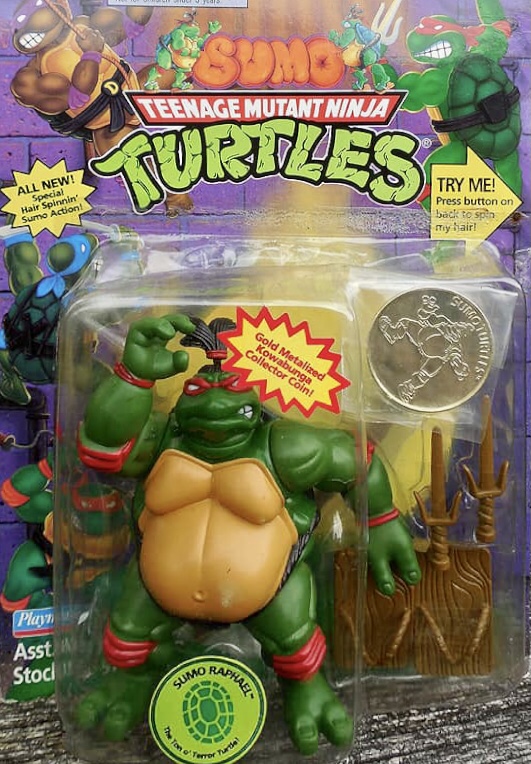
SUMO TURTLES

Sumo Turtle Michaelangelo

Sumo Turtle Raphael

Sumo Turtle Raphael (Released 1995)
Market Value:
Carded: $700 – $850
Loose: $225 – $325

The Turtles go wrestling mode by using the ancient art of Sumo from Japan. Watch their hair spin when you push the button on their backs. Each figure comes with Wooden Sumo Sandals, Metallized Kowabunga Collector Coin and each character’s weapon of choice.


Number 10 (Tie)

INVISIBLE MAN MICHAELANGELO & GIANT SLAM DUNKIN’ DON

Invisible Man Michaelangelo (Released 1994)
Market Value:
Carded: $500 – $650
Loose: $175 – $250

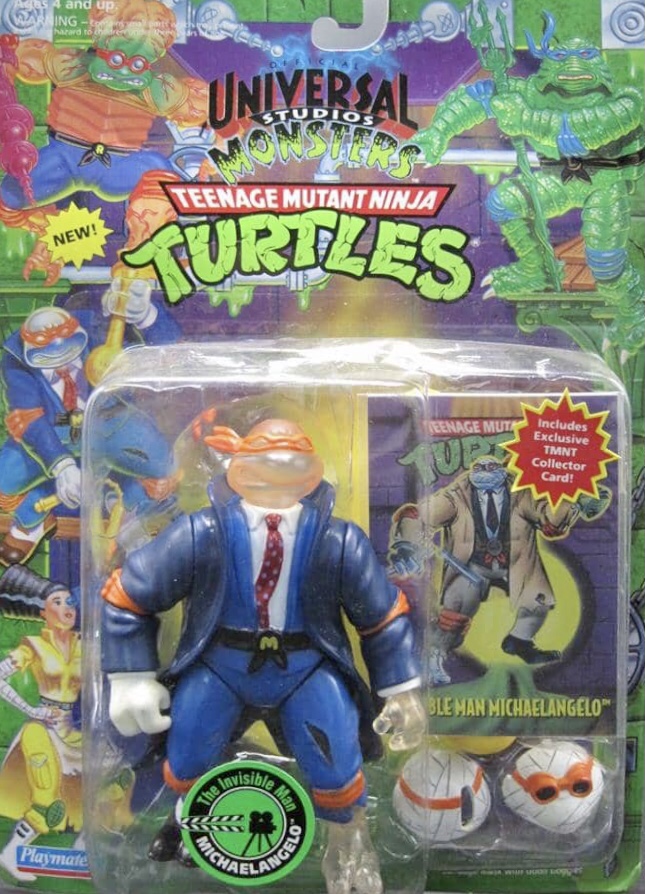
Michelangelo poses as the legendary Invisible Man from the classic Universal Monsters series. He comes with Test Tube Nunchakus, Chemistry Kit, Bandage & Mask w/ Goggles.

Giant Slam Dunkin’ Don (Released 1992)
Market Value:
Boxed: $500 – $650
Loose: $175 – $250

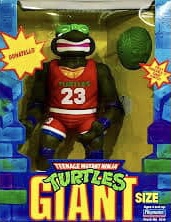
The regular version of Slam Dunkin’ Don was a big hit, so why not make him GIANT size! I’m guessing that a certain legendary pro basketball player who also wore the number 23 might have a little something to do with this figure’s popularity.

Star Wars Vintage Collection/Black Series Update

Since the values of certain items can fluctuate greatly over time, The Toy Collectors Guide prides itself in keeping up with the most current market trends and any shifts that may affect the various secondary market prices. There are many factors that drive those trends and shifts which include, an item’s time period, scarcity, consumer demand and overall condition. The good news for Star Wars collectors is there is always a huge demand for these items, as Hasbro has created some truly memorable items during their runs of the Vintage Collection and Black Series. Since our site focuses mainly on vintage toy lines of the past, The Black Series and Vintage Collection are the only active toy lines that we currently cover. The reason for this is that you simply can’t tell the story of modern Star Wars toys without including both of these iconic and long running series.

The Vintage Collection first began in 2010 as a tribute to the classic Star Wars toys from Kenner. Nowadays, it’s very common for toy companies to bring back classic toy lines and utilize their vintage packaging as a way to reach nostalgic adult collectors, but Hasbro was the first to do this with the Vintage Collection. The series stopped in 2013, but returned in 2018 and is still going strong.

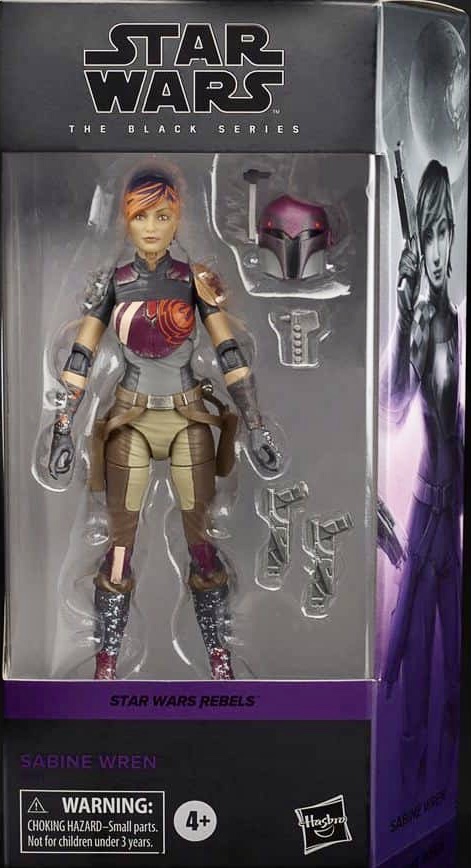
The Black Series began in 2013, and introduced a brand new 6″ figure format to Star Wars collectors. This bigger size meant more attention to details, costuming and articulation. At the time, Hasbro billed the Black Series as the ultimate action figure for Star Wars collectors, and it was definitely something that fans had not seen before. The line has seen a few different packaging changes over the years, but it’s still going strong today with tons of amazing looking figures.

Both, The Vintage Collection and The Black Series remain incredibly popular. These figures are continually seeing movement, both up and down, but will always considered highly collectible. Overall, the Vintage Collection and Black Series remain very much in demand, which bodes well for the future of these Star Wars lines, with an rabid fanbase of collectors who continually seek out items from a Galaxy Far, Far, Away.

In addition to the value updates, there has also been some additions and improvements for both pages to enhance your experience. We hope you enjoy the newest vintage Collection and Black Series updates, and as always, keep the feedback coming.

The Vintage Collection through the years:

2010 – 2013

Dengar

Anakin

Bastila Shan

Luke Skywalker

Ponda Baba

Ahsoka Tano

2018 – Present

Kylo Ren

Stormtrooper

Doctor Aphra

Brock Starsher

Cara Dune

Darth Maul

Y-Wing Fighter

Jabba’s Sail Barge

Tantive IV

The Black Series through the years:

2013

Darth Maul

Princess Leia

2014 – 2015

Luke Skywalker

Yoda

2015 – 2020

Darth Revan

Doctor Aphra

2020 – Present

332nd Clone Trooper

Sabine Wren

Transformers – Fortress Maximus (Hasbro – 1987)

A look back at a Transformers Icon!

This Toy Spotlight focuses on a true legend in the Transformers world and an item that sat atop many kids wish lists from the late 1980’s. Hasbro’s Transformer line was a huge hit at the time, to say the least, and was enjoying massive success in the North American market, as well as overseas. It would’ve been easy for Hasbro to play it safe with what had already been working, but in 1987, they released the largest Transformer toy of the entire G1 toy line, which is now considered a Transformer toy classic. So without further ado, I humbly present Hasbro’s Fortress Maximus from 1987.

In 1984, Hasbro Toys had gained a real foothold in the action figure market with their newly revamped GI Joe 3.75 inch line. The Joe line became a massive global success, but Hasbro still wanted more and ended up going across the world to get it. A Japanese toy company called Takara had been making transforming robots and vehicles since 1980 under the Diaclone line. Each of the vehicles were controlled by a miniature pilot called Micro Man. In 1982, Takara combined the robots and vehicles into what we now know as Transformers. Hasbro, realizing the massive potential of this toy line, quickly jumped on the North American toy licensing rights to this line and went into production of a slightly revamped Diaclone line simply called, the Transformers. The toy line was released in 1984 and became an instant smash hit! The toy line was such a success that it spawned a hugely popular comic by Marvel Comics and one of the biggest animated series ever released on television.

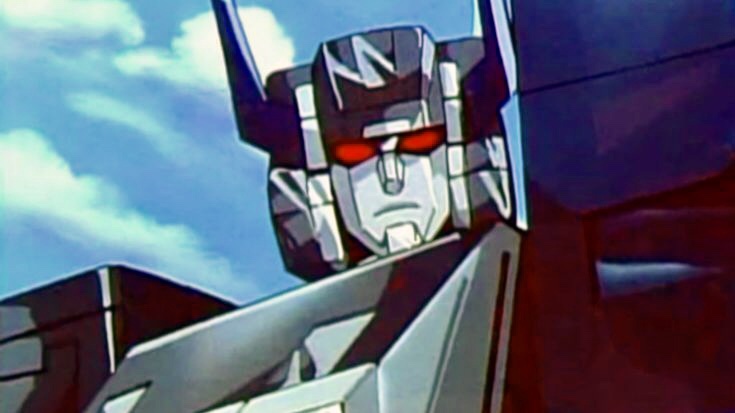
Fortress Maximus made his debut in the final episode of the Transformers animated series in 1987, which was Part 3 of “The Rebirth” miniseries. He was constructed by Spike Witwicky and Cerebros from an old Nebulan city. He was a giant Autobot capable of transforming into a battle station, under their control as part of the Headmasters. Fortress Maximus travelled to Cybertron where he battled the similarly giant Scorponok and then the rest of the Decepticons, driving them off the planet. Afterwards, he returned to Nebulos. He was voiced by Stephen Keenan in the show, who spoke Fortress’ one and only line from the series, “Decepticons… prepare to face … Fortress Maximus!

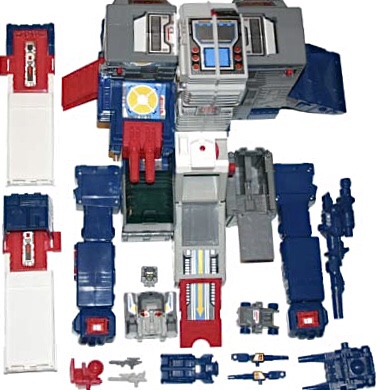
The toy itself was impressive and just plain big! At 22″ tall, it dwarfed every other G1 Transformer produced by Hasbro at the time, including his nemesis, Scorponok. It was heavy too, weighing in at a hefty 11 pounds. Fortress Maximus was billed as being able to transform from robot mode to battle station mode to city mode, and back again. While in Battle Station mode, there wasn’t a whole lot of playability or articulation. It had several weapons all around, along with Spike in the cockpit tower. In this mode, Gasket and Grommet came out of where his feet were. Side Note: Gasket and Grommet come together to form Cog. On the other side of the Battle Station, you can find Cerebros, who is the gray shape near the radar dish. He transforms into his robot form, but with no head. That’s where Spike comes in, as Spike transforms into his the head of Cerebros and attaches to the body (Hence the name, Headmasters). From there, Fortress could be switched to City Mode.

To get to City Mode, there were a long series of moves that have to be made, and trust me, they do take some effort. Once in City Mode, Fortress Maximus is still pretty darn big with a lot more moving parts and playability than in Battle Station mode. For instance, underneath the Heli-Pad is a door that opens to reveal a jail cell. On the other side is a Repair Bay that opens up to store smaller vehicles. If transformed correctly, there will be a tunnel through the middle of the City. The small vehicles can fit inside and rise to the top on an elevator, then shoot out from the front middle ramp. The two front side ramps are also launchers that can propel smaller vehicles. The last transforming mode is the classic Robot Mode.

Once again, there are several moves that have to be made to get to Robot Mode, and once again, it requires some work to get to. Basically you are placing Fortress back towards his Battle Station Mode, and then some. Once that mode is completed, Cerebros will be transformed into the head of Fortress Maximus. Spike can be pulled off Cerebros at this point, as he is no longer really needed for this function. In this Robot Mode, he reaches his full height of over 22″ with lots of moving parts and hidden weapons. In my opinion, this is the way Fortress should be displayed just due to his impressive size. Despite that massive size, Fortress still has pretty decent range of motion and articulation.

Fortress Maximus was a huge gamble by Hasbro back in 1987, but is highly coveted by collectors nowadays. Due to its nearly $100.00 price tag back then, there were not a lot of these sold back in the day, which obviously affects the secondary market value. The good news is that any Transformer collector probably has Fortress Maximus at the top of their wish lists, and boxed versions are considered “Holy Grail” items. It remains extremely poplar on the secondary market, and they quickly disappear when they do pop up. Loose versions range in value from $200 – $400, depending on condition and whether they are complete. Boxed versions are not as easily found, and can range from $1,200 to $2,000, again depending the box’s condition and whether it is complete. Obviously graded versions will sell for much higher. Hasbro really loved their giant show stoppers for their toy lines (Defiant and U.S.S Flagg for the GI Joe line) which makes them centerpieces for just about any collection. Fortress Maximus is genuinely considered an all-time classic from the Transformers line. Despite its gigantic size, it worked really well, and provided hours of entertainment for children of that era. A big thank you goes out to Hasbro for their creative ingenuity in putting this classic together and shaping an incredible era of toys, not to mention having the stones to release something this massive.

GI Joe Update

Since the values of certain items can fluctuate greatly over time, The Toy Collectors Guide prides itself in keeping up with the most current market trends and any shifts that may affect the various secondary market prices. There are many factors that drive those trends and shifts which include, an item’s time period, scarcity, consumer demand and overall condition. The good news for GI Joe collectors is there is always a demand for these items, as Hasbro created some truly memorable and iconic items through the years with multiple generations of collectors. GI Joe toys have always remained popular with collectors and fans, while maintaining consistent and steady growth. The line has seen yet another revival of late with multiple GI Joe lines being sold on the market today, that include the Super 7 Re-Action Line, Retro Collection and the incredibly popular Classified Series.

Unlike other vintage toy lines, such as Masters of the Universe and Transformers, the new Joe action figure lines are not affecting the original released toys in a negative way, in fact, it’s the complete opposite. This is mostly due to GI Joe being around for such a long time and collectors having already been through several different iterations of their favorite characters. For some toy lines, buying the newer “Retro” toys are obviously a much cheaper way to re-live your childhood, so it’s naturally going to have an affect on the values of the original toys, but the Joe toys from past generations are still consistently trending in the right direction. The 1982-1994 Joe line looks as healthy as ever, while the 1970’s Adventure Team line remains incredibly popular and in demand. The original 1960’s Joe line did not see a lot of movement, but will always considered a “blue chip stock”, as values rarely dip. Overall, the various GI Joe lines remain extremely healthy and very much in demand, with many items remaining very affordable. This bodes well for the future of GI Joe items and collectibles with an absolute rabid fanbase of collectors, who continually seek out items from their favorite American Heroes.

In addition to the value updates, there has also been some additions and enhancements to certain Joe pages to enhance the experience. We hope you enjoy the newest GI Joe update and as always, keep the feedback coming.

GI Joe through the years:

1964 – 1969

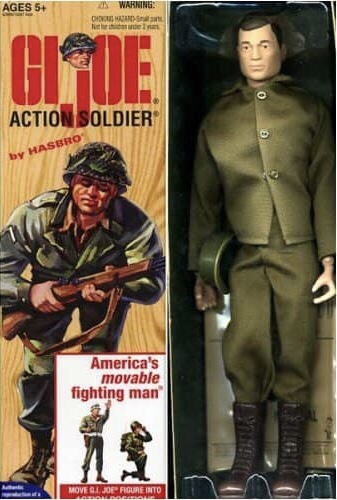
Action Soldier

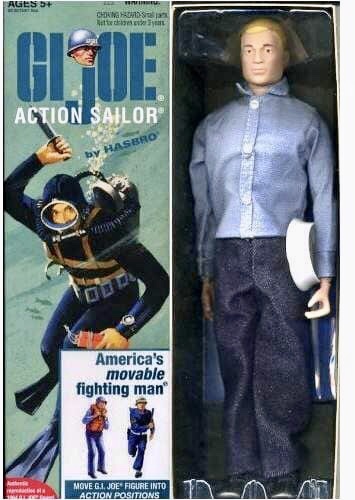
Action Sailor

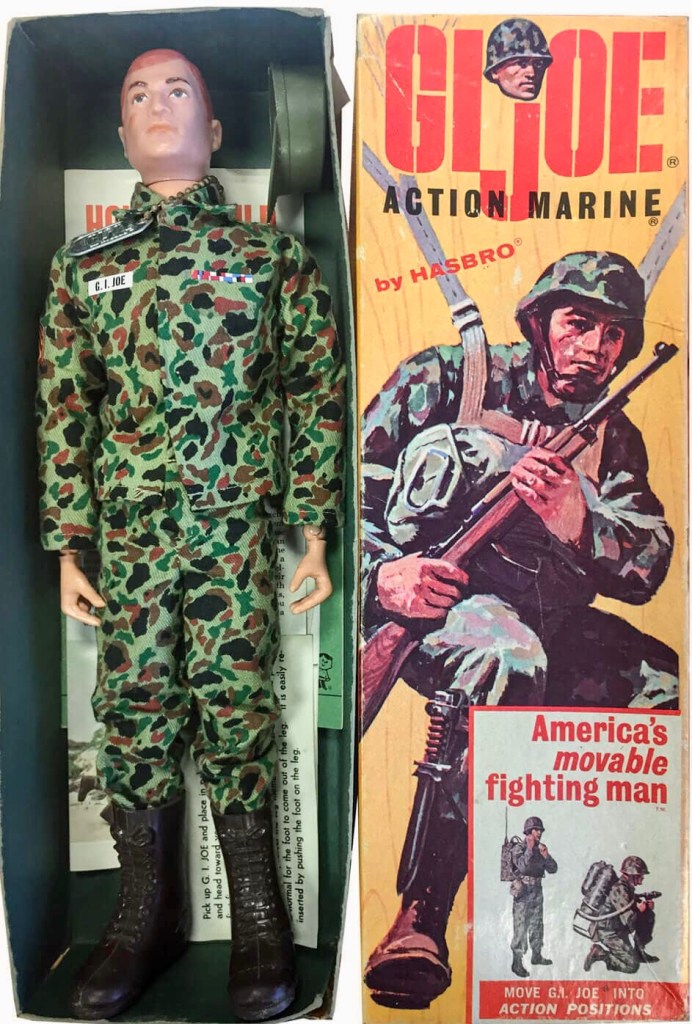
Action Marine

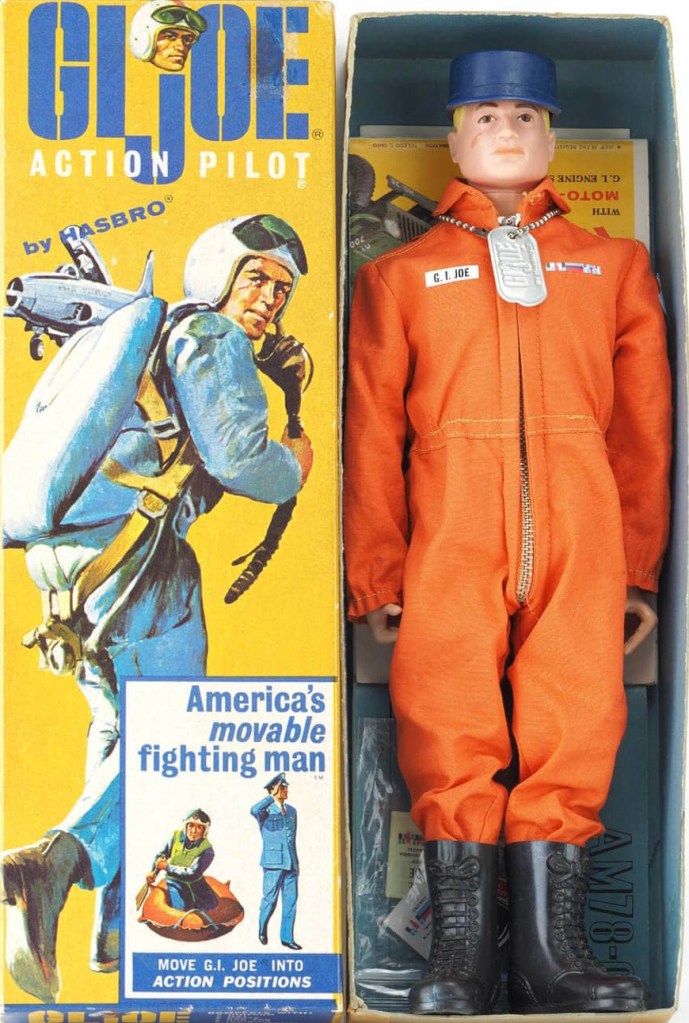
Action Pilot

Action Soldier West Point

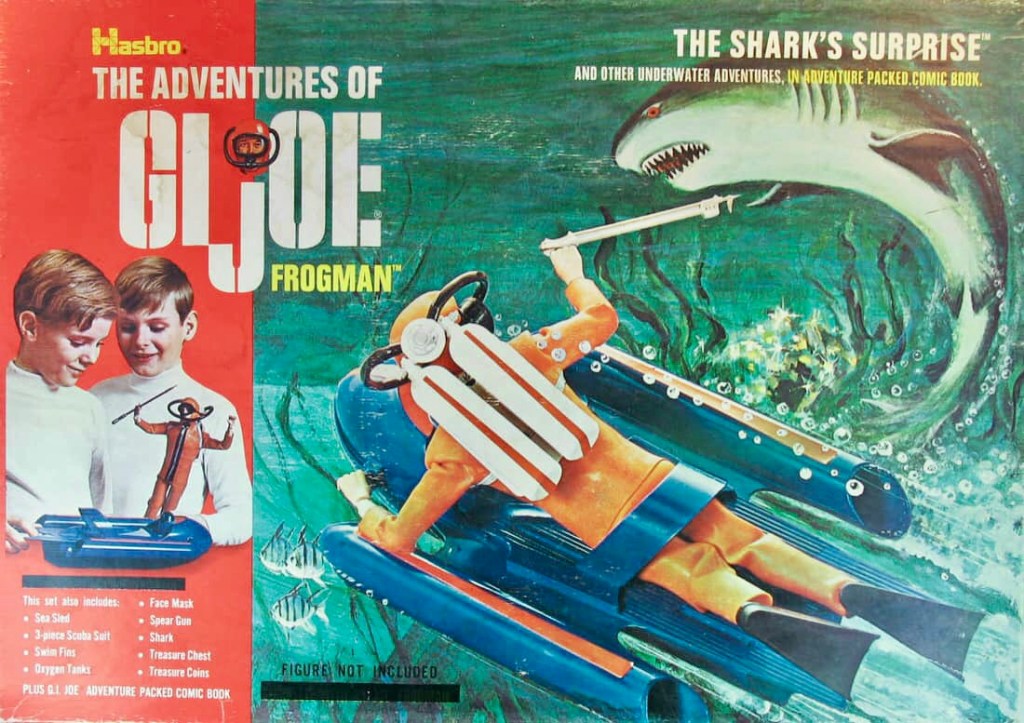
The Shark’s Surprise

Action Marine Demolition

1970 – 1978

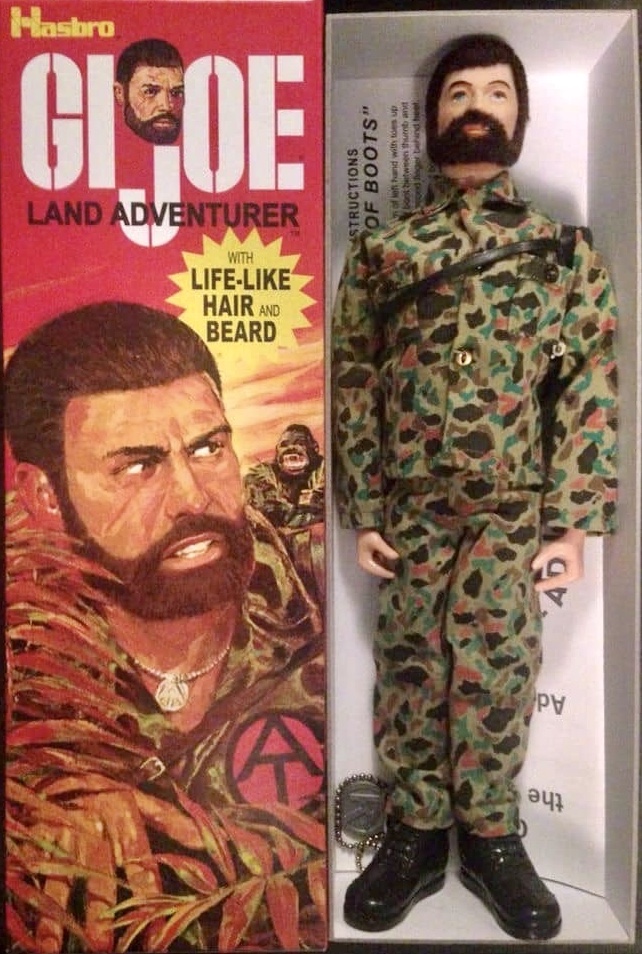
Land Adventurer

Sea Adventurer

Man of Action

Air Adventurer

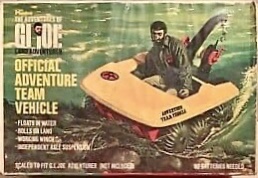
Official Team Vehicle

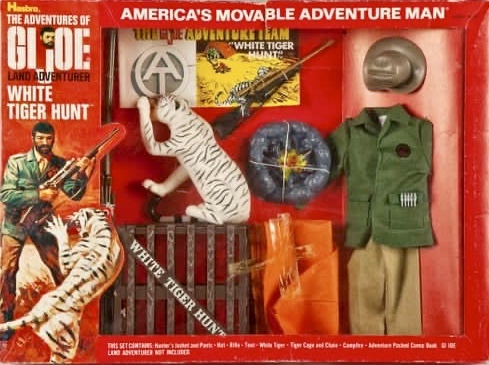
White Tiger Hunt

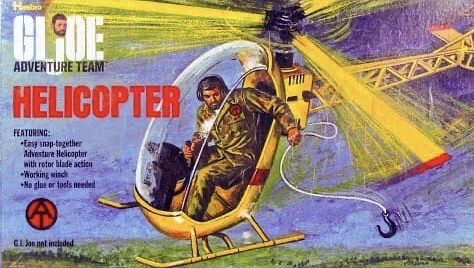
Team Helicopter

1982 – 1994

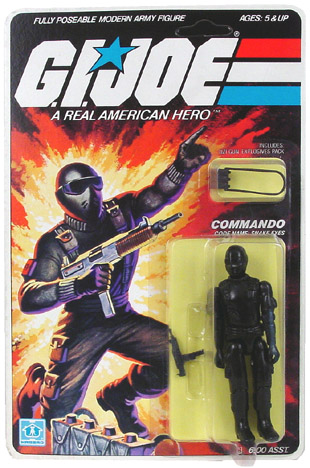
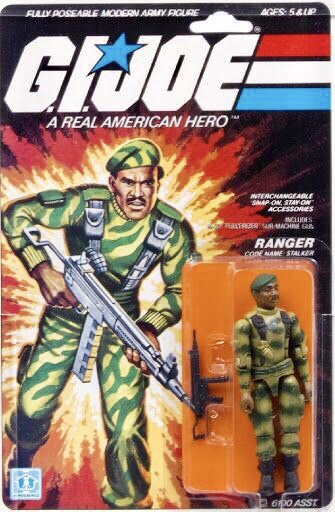
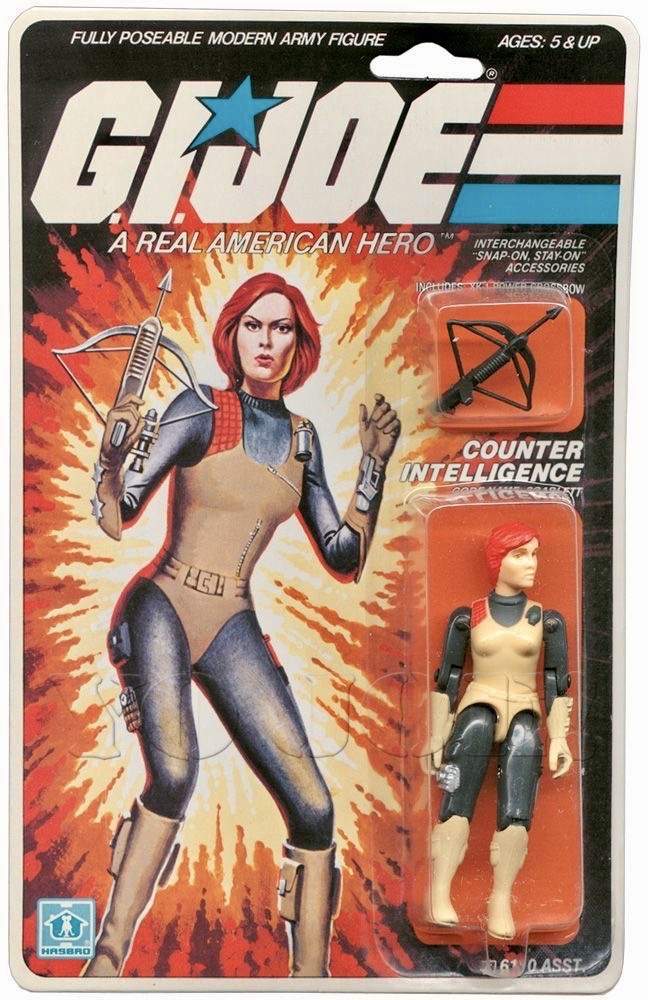
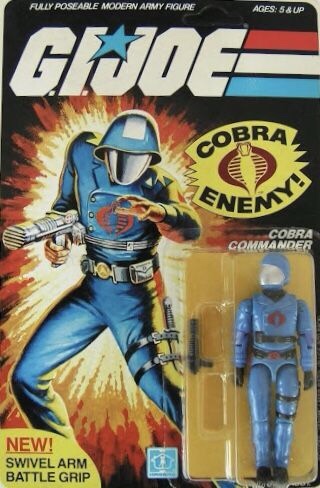
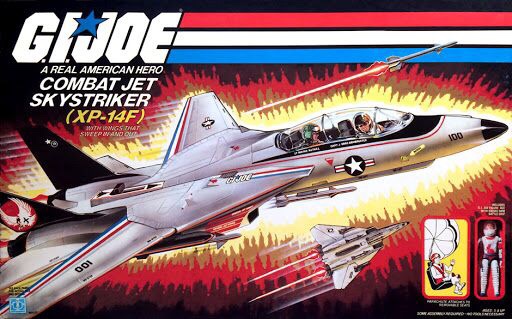
Snake Eyes

Stalker

Scarlett

Storm Shadow

Cobra Comm

Destro

Mobat

U.S.S Flagg

Sky Striker