
Click These Links to See The Individual Marvel Comics Pages
World’s Greatest
Super-Heroes 1972-1980

Marvel Secret Wars
1984-1986
Marvel Super Heroes
1990-1994
Fantastic Four
1994-1996
Iron Man
1994-1996
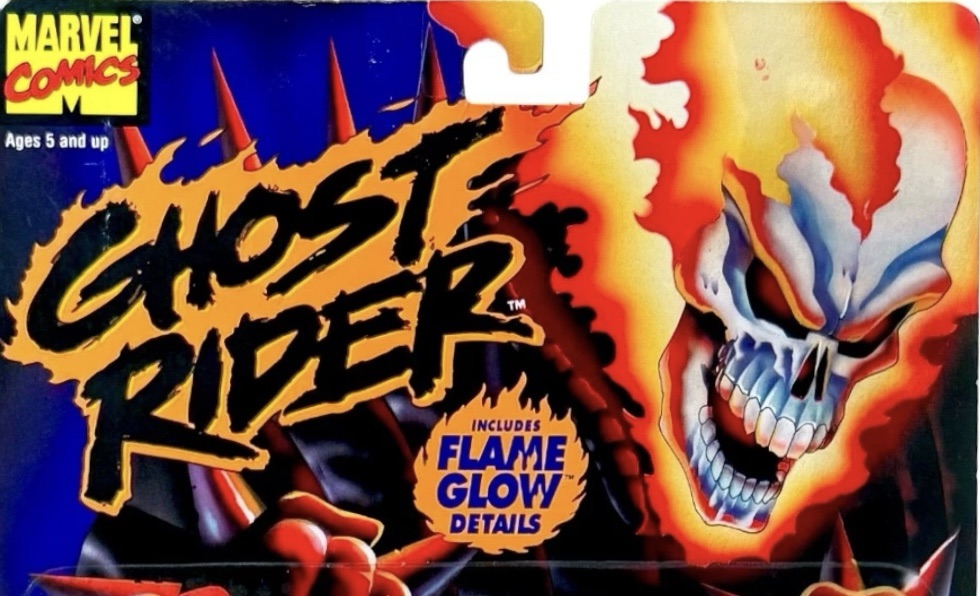
Ghost Rider
1995-1996
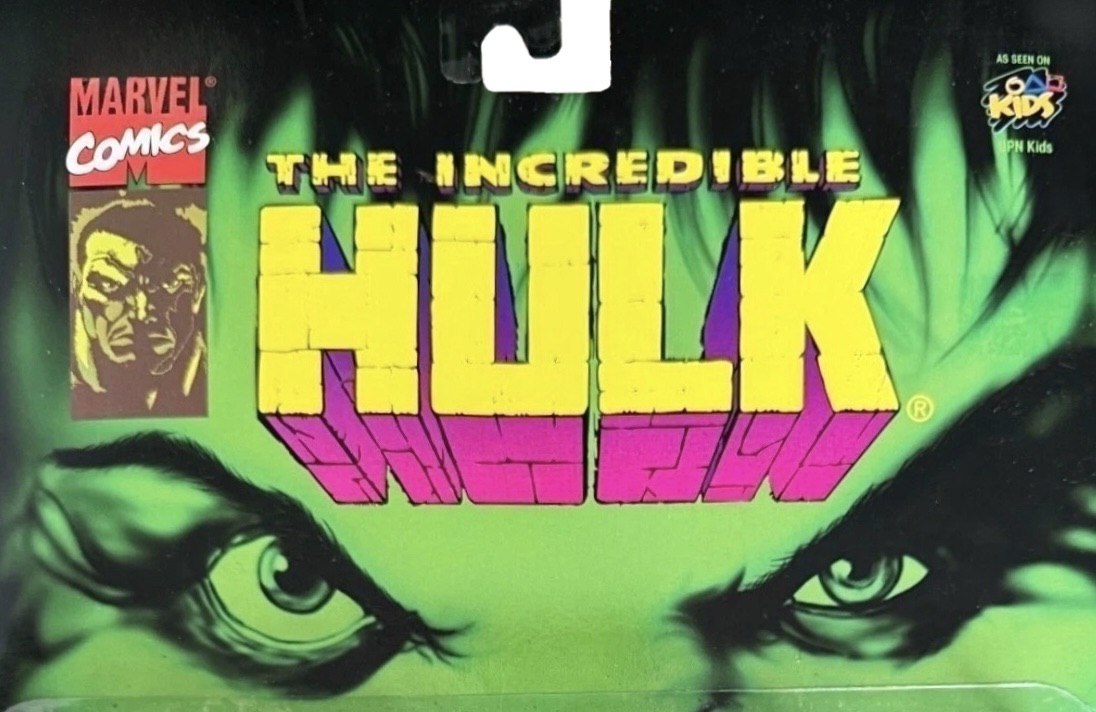
The Incredible Hulk
1996-1997
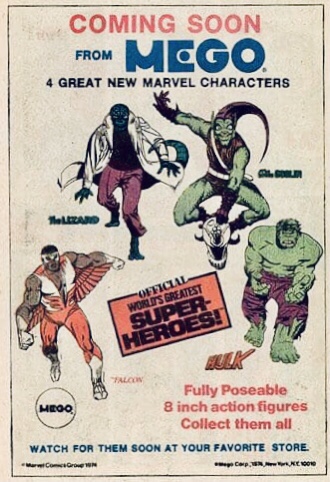
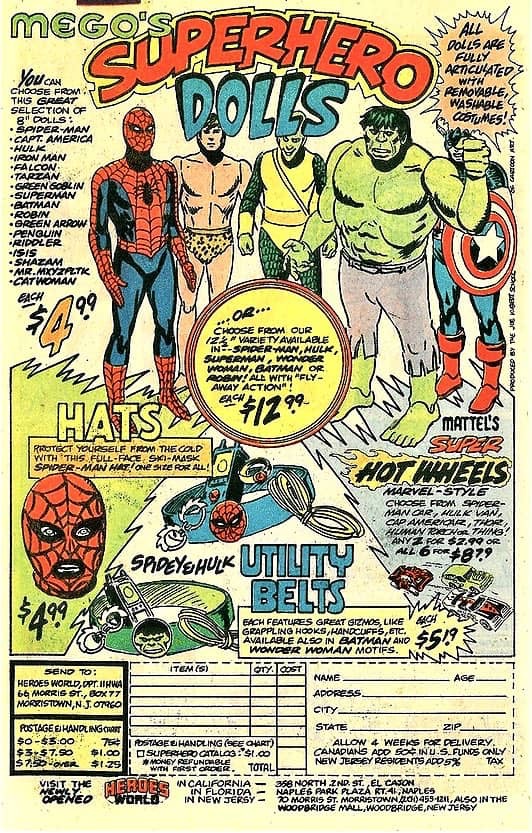
The Story of Marvel Comics toys is a long one and a bit complicated. Unlike other mainstream franchises, Marvel Comics toys were cranked out by a few different toy companies along the way, but it all began with Mego in 1972. Mego acquired the toy rights to produce action figures based on Marvel and DC Comics characters in the early 70’s, and the rest, as they say, is history, as the World’s Greatest Super Heroes line went on to become their flagship franchise and one of the most successful selling action figure lines of the decade. During its run, Mego gave us truly iconic action figures for the World’s Greatest Super-Heroes line from, which included some of the biggest names in the Marvel Universe, All together, there were 13 different Marvel characters made into action figures, or 14 if you want to count the Peter Parker Secret ID figure. In addition, Mego also released a few 12 inch figures, a couple of vehicles and the Supervator playset along the way. The World’s Greatest Super-Heroes line included Spider-Man, Hulk, Captain America, Iron Man, Thor, Green Goblin, Lizard, Falcon, Conan the Barbarian, and the Fantastic Four.
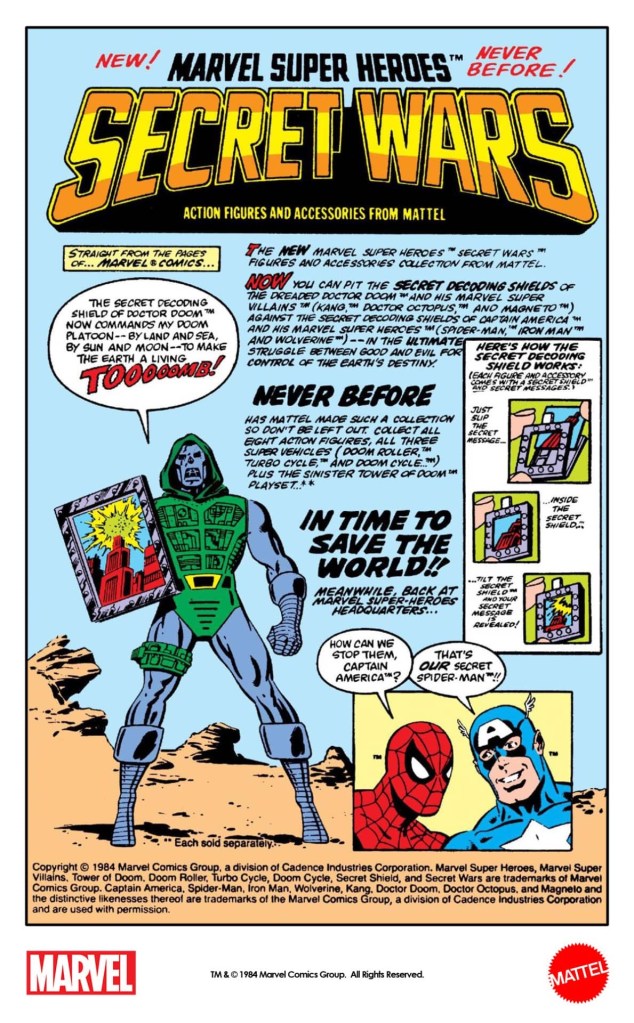
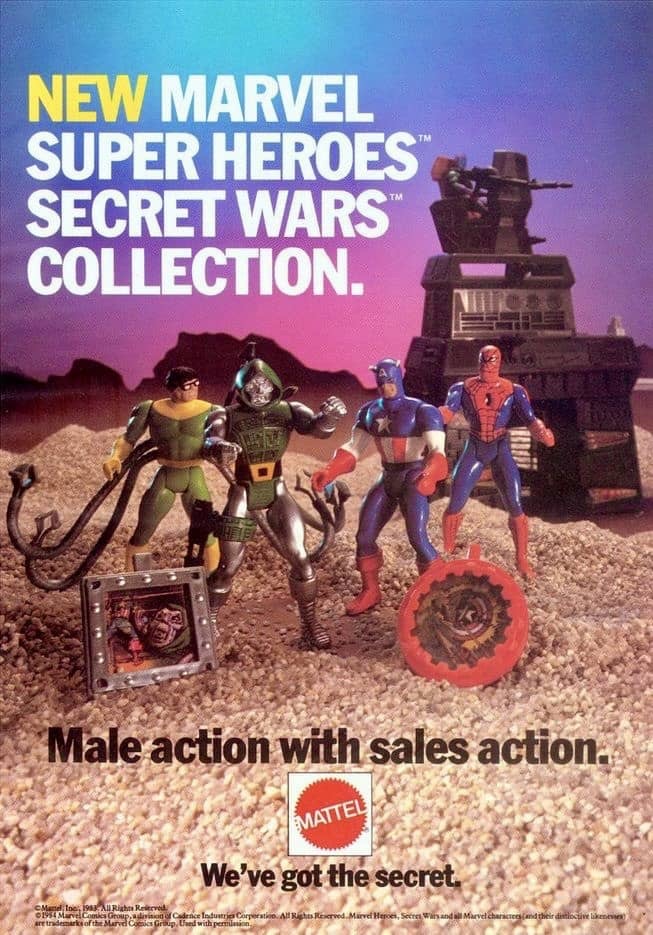
After Mego Corporation ended its popular World’s Greatest Super Heroes in 1980, the toy license for Marvel Comics characters became available again. Mattel secured the rights in the early 1980s after missing out on the DC Comics license that went to Kenner. In 1984, Mattel launched the groundbreaking Marvel Super Heroes Secret Wars series, loosely tied to Marvel’s major 1984 crossover comic event of the same name. The line ultimately featured 16 action figures (including three foreign exclusives), seven vehicles, several multipacks, and a couple of playsets. The initial wave sold well enough to produce another wave later that year, but interest eventually declined, with the final wave released exclusively in overseas markets in 1986.In addition, there was intense competition for space in the toy aisles due to Masters of the Universe, GI Joe, Transformers, and M.A.S.K.
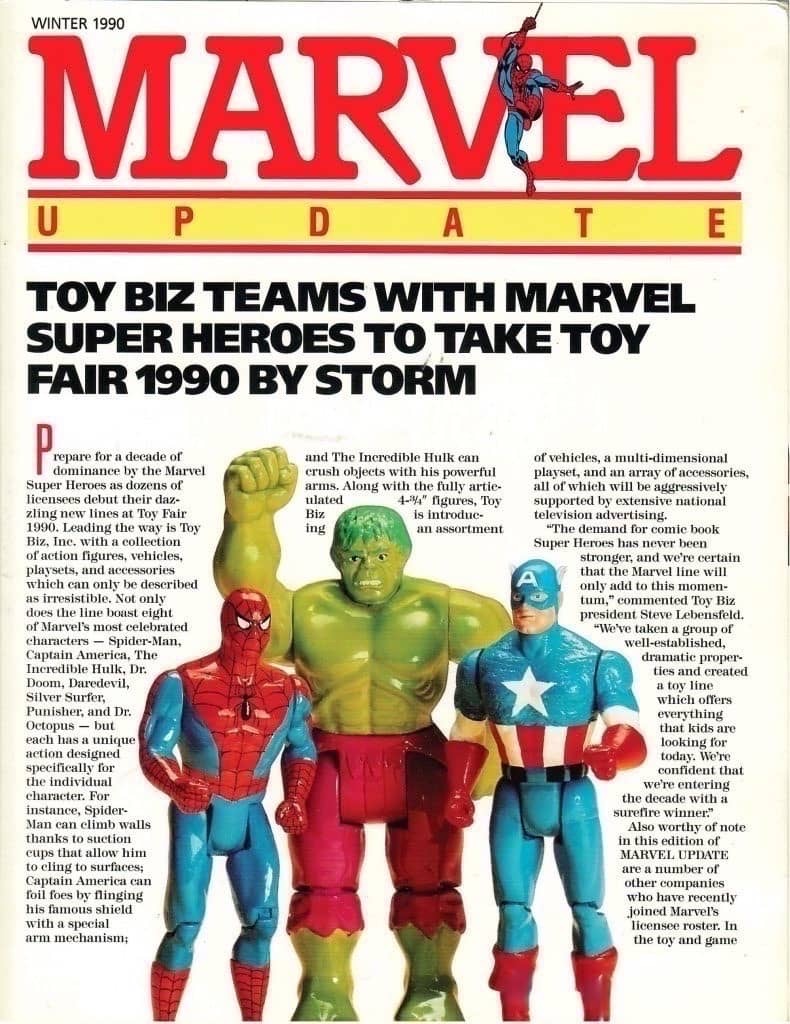
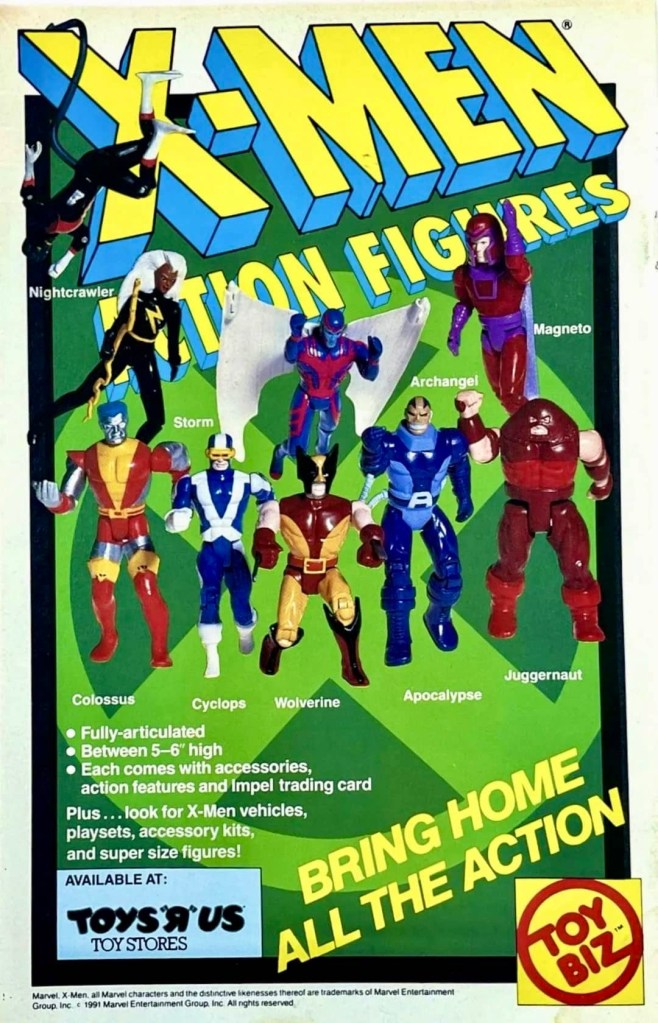
When Mattel’s Secret Wars line ended in the mid-1980s, Marvel’s characters once again found themselves without a major toy presence. That changed in 1990 when Toy Biz acquired the license and launched the Marvel Super Heroes line—a fresh start for Marvel figures heading into a new decade. The series combined classic comic designs with durable, kid-friendly sculpts and action features that reflected each hero’s powers and unique accessories. Over its four-year run, the line expanded to include dozens of heroes and villains, vehicles, and playsets, laying the foundation for Toy Biz’s later X-Men and Spider-Man lines. More than just a revival, Marvel Super Heroes established Toy Biz as the definitive name in Marvel action figures throughout the 1990s and launched several more Marvel related action figure lines over the years.
Marvel’s 1990s Toy Biz era marked a major expansion of Marvel action figures, beginning with the Fantastic Four line, which ran from 1994 to 1996 and featured core team members, supporting characters, and an impressive roster of villains, helping to further establish Marvel’s presence in the toy aisle. Around the same time, Toy Biz launched the Iron Man line (1994–1996), which introduced collectors to a wide range of armored suits, villains, and comic-inspired designs. Both lines were known for their bright colors, unique sculpts, and action features, though they often prioritized playability over comic accuracy. Toy Biz continued its momentum with the Ghost Rider line from 1995 to 1996, which leaned into darker themes and supernatural characters, offering glow-in-the-dark features, motorcycles, and stylized designs that stood out from earlier releases. In 1996, Toy Biz followed up with The Incredible Hulk line (1996–1997), focusing on Hulk’s many transformations, enemies, and allies, while incorporating larger figures and more exaggerated sculpts to match the character’s brute strength. Across these lines, Toy Biz experimented with a variety of figure scales, accessories, and gimmicks, helping to lay the groundwork for their later success with the Marvel Legends series. While these toy lines may not have reached the same level of mainstream recognition as some later Marvel releases, they remain highly nostalgic for collectors, and many of the figures can still be found on the secondary market at affordable prices.
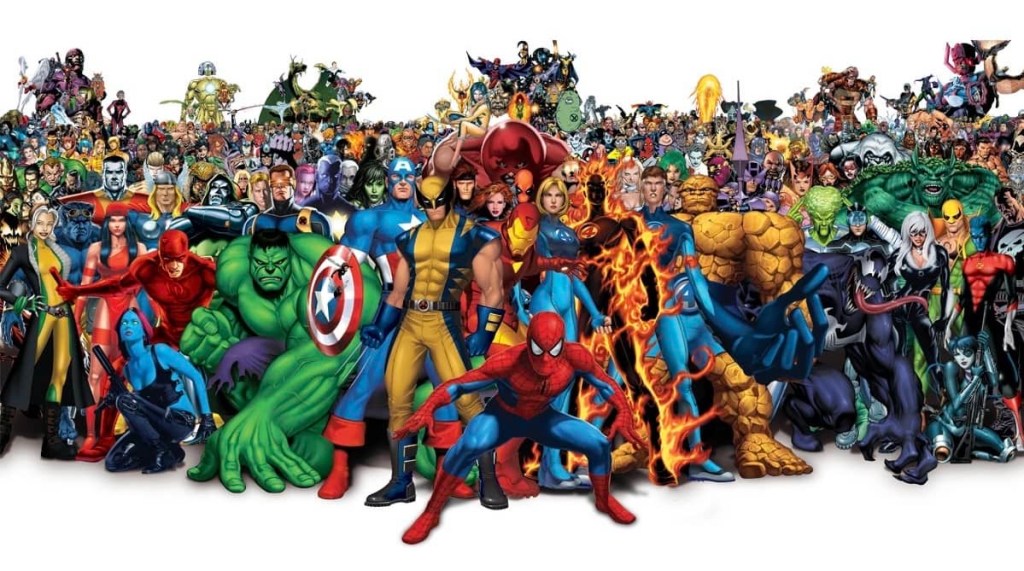
Over its long and storied history, many high-quality Marvel Comics collectibles were produced between 1972 and 1999 by companies such as Mego, Mattel, and Toy Biz, and like any toy line, the value of these items can fluctuate significantly over time, influenced by factors such as production era, scarcity, collector demand, and overall condition. The good news for Marvel collectors is that demand has remained consistently strong, as Mego, Mattel, and Toy Biz each created truly iconic pieces that continue to resonate with fans. Loose Mego figures can still be found on the secondary market in a wide range of conditions, along with their playsets and accessories, while carded or boxed examples—especially those in excellent condition—can command significantly higher prices. Mattel’s Secret Wars line has developed a cult following and remains popular with collectors, while the many Toy Biz lines, including Fantastic Four, Iron Man, Ghost Rider, and The Incredible Hulk, carry strong nostalgic appeal; although most of these items are still relatively accessible on the secondary market, prices can vary depending on rarity and condition, with certain figures becoming increasingly sought after. Overall, values for vintage Marvel collectibles have remained steady, with gradual increases over time, driven largely by enduring nostalgia and the continued success of Marvel’s film and television adaptations, and as more movies, shows, and animated series expand the brand’s reach, interest in vintage figures, playsets, vehicles, and accessories is likely to grow, meaning these items should continue to increase in value, particularly as well-preserved examples become harder to find.

 thetoycollectorsguide.com
You must be logged in to post a comment.